Anti-Inflammatory Grocery List (Free Printable)
Anti-Inflammatory Grocery List (Free Printable)
Let’s be honest — most of us don’t think about inflammation until our knees start complaining on the stairs or we wake up feeling like we aged ten years overnight. Sound familiar? I’ve been there, and the first thing that actually made a difference wasn’t a fancy supplement or some miracle pill. It was what I started putting in my grocery cart.
This anti-inflammatory grocery list is the real deal — practical, beginner-friendly, and yes, there’s a free printable at the end so you can take it straight to the store without memorizing anything. Let’s get into it.
Why Your Grocery Cart Is Either Fighting or Feeding Inflammation
Here’s a thought: every single bite you take is either turning down the flame of inflammation in your body — or turning it up. No pressure, right? 🙂
Chronic inflammation is linked to everything from joint pain and bloating to heart disease, brain fog, and stubborn belly fat. The good news is that food is one of the most powerful tools you have against it. You don’t need a prescription for blueberries.
IMO, the anti-inflammatory diet doesn’t get enough credit for how simple it actually is. It’s not about cutting out everything you love. It’s about crowding your plate with foods that actively help your body calm down and function better.
If you’re already experimenting with eating clean, you might want to check out this 7-day anti-inflammatory meal plan to reduce belly fat — it pairs perfectly with this grocery list and takes out all the guesswork.
The Anti-Inflammatory Grocery List (By Category)
I’ve organized this list the way I actually shop — by section of the store. No jumping back and forth between aisles like a confused penguin.
Fruits
Fruit is basically nature’s candy, except it actually does something useful for your body. Focus on deeply colored fruits — the pigments that give them those rich hues are often the same compounds that fight inflammation.
- Blueberries — the undisputed MVP of anti-inflammatory fruit
- Cherries (especially tart cherries — great for joint pain)
- Strawberries
- Oranges and other citrus — vitamin C powerhouses
- Pomegranate seeds
- Avocado — yes, it’s technically a fruit, and it’s loaded with healthy fats
- Watermelon
- Grapes (red and purple varieties especially)
Fresh is great, but frozen fruit counts too — and honestly, frozen blueberries are just as nutritious as fresh ones and way cheaper in the off-season. Don’t let anyone make you feel bad for grabbing the frozen bag.
Vegetables
If there’s one section you want to go a little wild in, it’s this one. Load up. Your inflammation levels will thank you, and so will your bank account compared to any supplement aisle.
- Leafy greens — spinach, kale, arugula, Swiss chard
- Broccoli — a cruciferous superstar
- Cauliflower
- Brussels sprouts
- Beets
- Sweet potatoes
- Bell peppers (especially red — they have more vitamin C than oranges)
- Zucchini
- Asparagus
- Garlic and onions — don’t skip these; they’re flavor AND function
I try to get at least two different colors of vegetables per meal. It sounds like a small thing, but it actually makes a huge difference in how varied and nutrient-dense your eating becomes over time.
For meal ideas that put these vegetables front and center, 15 high-fiber anti-inflammatory meals that actually taste good is worth bookmarking.
Healthy Fats
Fat got a terrible reputation for about thirty years, and we’re all still recovering from that misinformation era. The right fats don’t make you gain weight — they actively fight inflammation and support brain, heart, and hormone health.
- Extra virgin olive oil — use it generously; it contains oleocanthal, a natural anti-inflammatory compound
- Avocado oil — great for higher-heat cooking
- Walnuts — one of the few plant sources of omega-3s
- Almonds
- Flaxseeds and chia seeds
- Hemp seeds
- Avocados (yes, they show up again — deal with it)
The key here is choosing fats that are minimally processed. A bottle of extra virgin olive oil and a bag of walnuts will do more for your inflammation than any “heart-healthy” margarine ever could.
Protein Sources
Protein keeps you full, supports muscle repair, and — depending on your source — can either help or hurt your inflammation levels. Here’s what to grab:
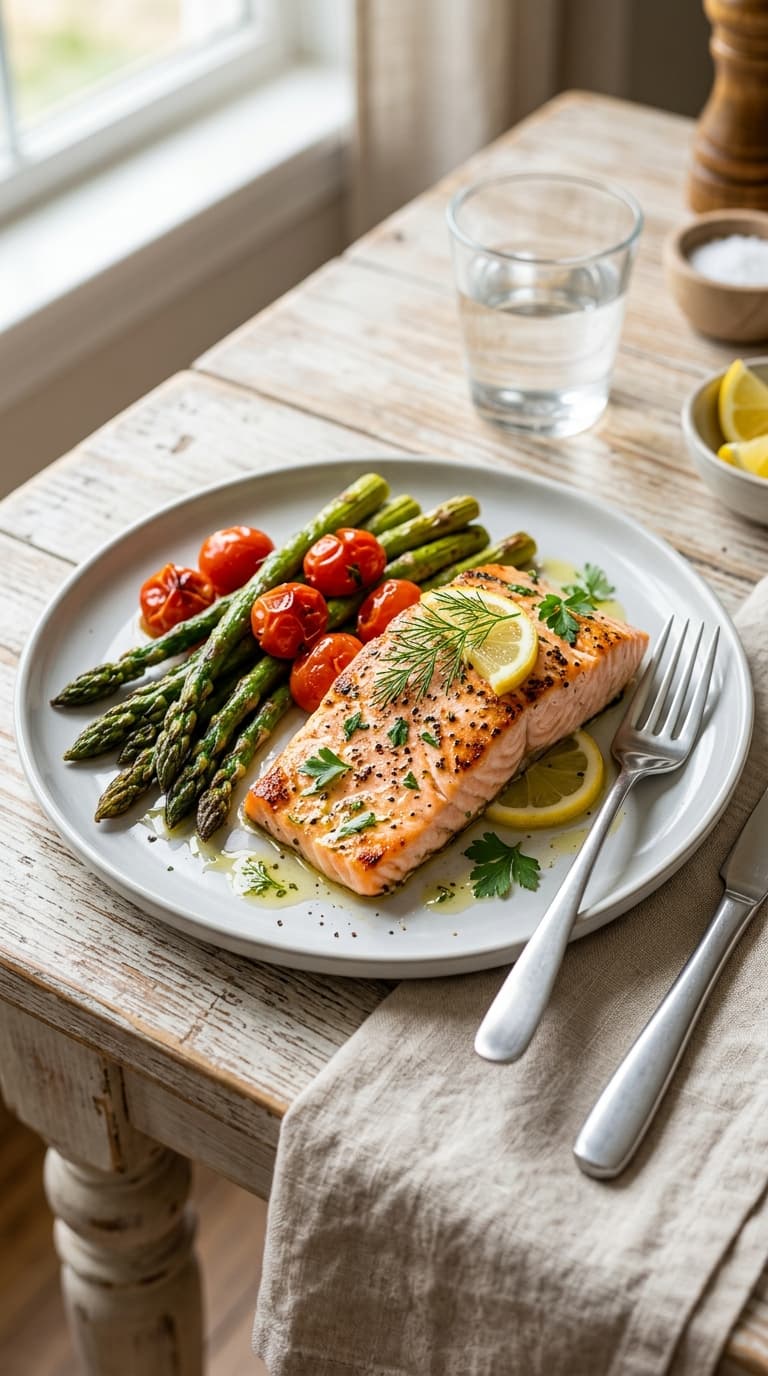
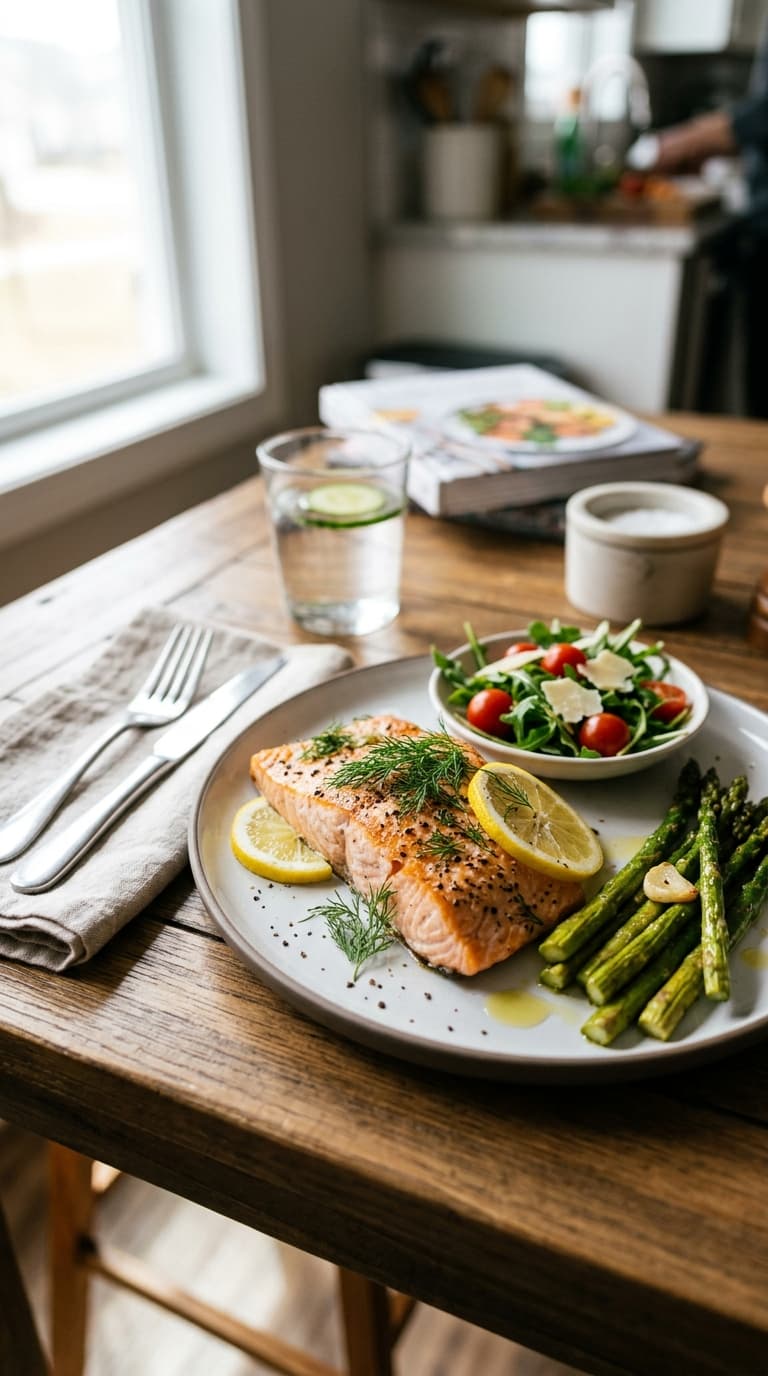
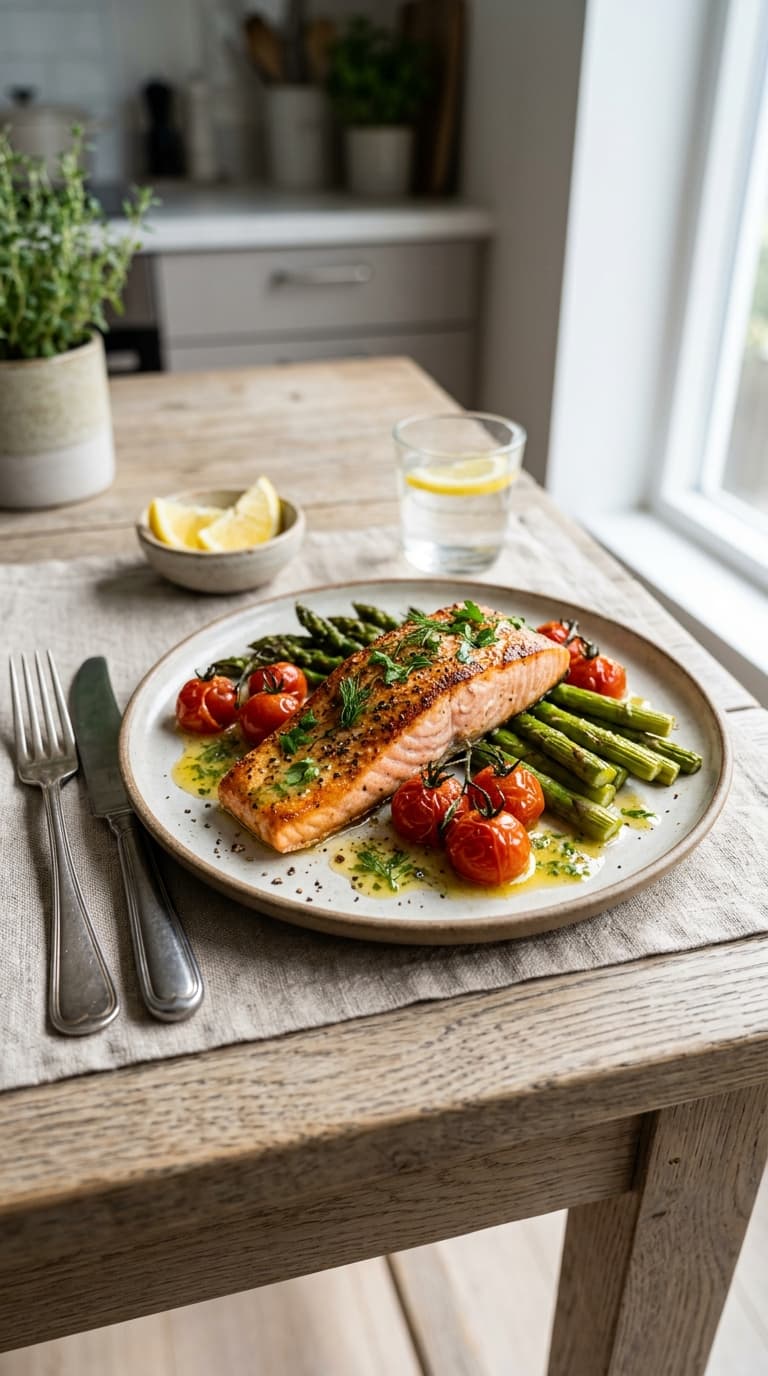
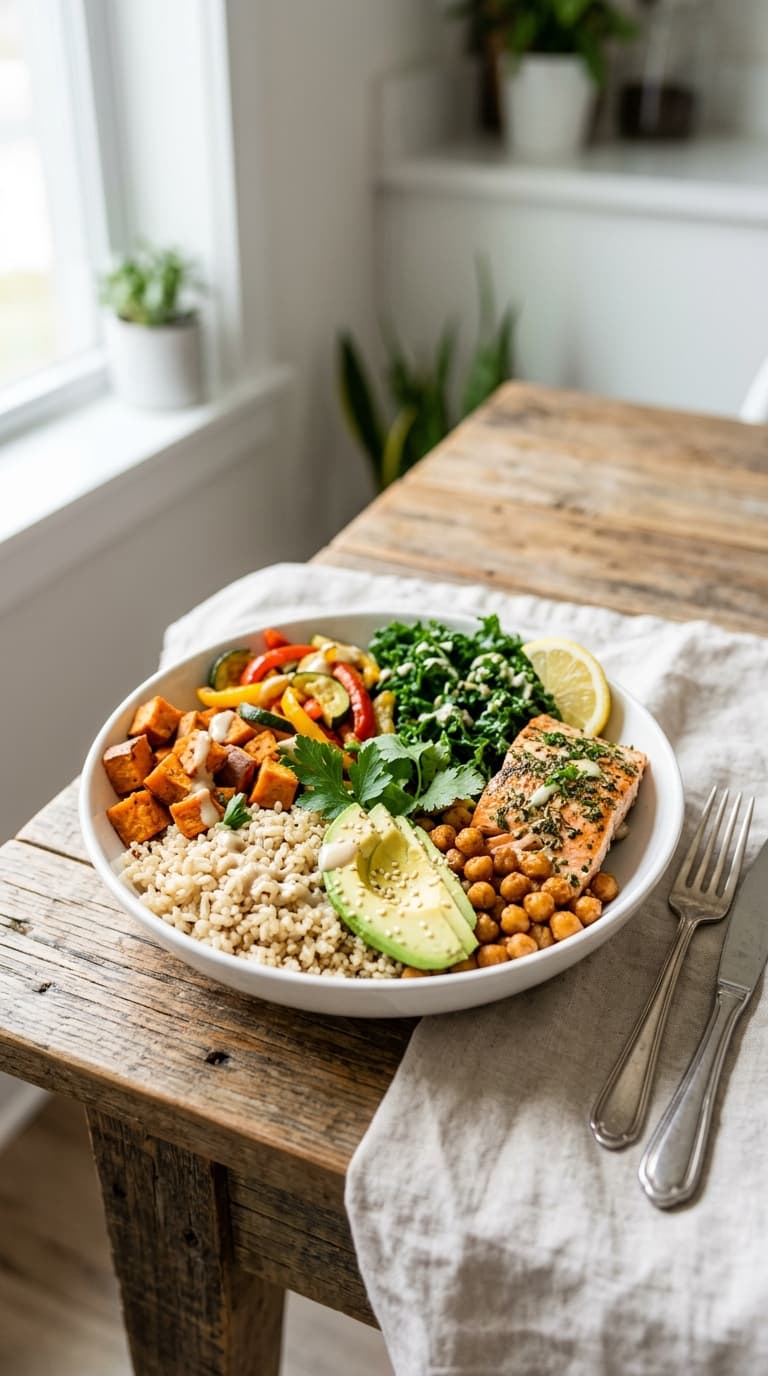
- Wild-caught salmon — the gold standard for omega-3s
- Sardines (underrated, inexpensive, and incredibly anti-inflammatory)
- Mackerel
- Free-range eggs
- Pasture-raised chicken or turkey
- Legumes — lentils, black beans, chickpeas
- Tempeh and tofu (for plant-based folks)
- Grass-fed beef (in moderation)
If you’re building meals around these proteins and want inspiration, 20 low-carb chicken recipes everyone will love has some solid options that check the anti-inflammatory box too.
Whole Grains
Not all carbs are the enemy — refined carbs are the problem. Whole grains come packed with fiber, which feeds your gut bacteria and helps regulate the immune response connected to inflammation.
- Quinoa — complete protein and gluten-free
- Brown rice
- Oats (old-fashioned rolled oats, not the sugary instant packets)
- Farro
- Barley
- Buckwheat
- Whole grain sourdough bread (actual sourdough, not the grocery store impostor)
A quick FYI — if you have a known gluten sensitivity or autoimmune condition, you might want to skip wheat-based grains for a while and see how you feel. Everyone’s body responds a little differently.
Herbs, Spices, and Pantry Staples
This category is where the real magic happens. Herbs and spices are some of the most concentrated anti-inflammatory substances on the planet, and we’re literally sprinkling them on food like it’s nothing.
- Turmeric — pairs with black pepper to dramatically increase absorption
- Ginger — fresh or ground, both work
- Cinnamon
- Rosemary
- Oregano
- Thyme
- Cayenne pepper
- Green tea (yes, put it on your grocery list — drink it daily)
- Dark chocolate — 70% cacao or higher, and yes this is a legitimate grocery item
- Apple cider vinegar
- Bone broth
Turmeric is the one I’d really encourage you to start using immediately if you’re not already. Add it to scrambled eggs, soups, rice, smoothies — it’s incredibly versatile and the research behind its active compound, curcumin, is genuinely impressive.
Foods to Avoid (Or Seriously Limit)
I wasn’t going to include this section, but honestly? A grocery list for anti-inflammatory eating isn’t complete without a quick reality check on what to put back on the shelf.
- Refined sugar and sugary drinks — this includes fruit juice, not just soda
- Refined carbs — white bread, white pasta, most crackers
- Vegetable oils high in omega-6 — soybean oil, corn oil, sunflower oil
- Processed meats — deli meat, hot dogs, sausage made with fillers
- Fast food and fried food
- Artificial additives and preservatives
- Alcohol (especially in excess)
You don’t have to be perfect. But if three or four of these are showing up in your cart every week, they’re probably canceling out a lot of the good stuff you’re eating.
How to Actually Use This List Without Losing Your Mind
Here’s where a lot of people get tripped up — they see a list like this, feel inspired for about forty-eight hours, and then revert back to their usual habits because it felt overwhelming. Been there. Here’s how to avoid that:
Start with swaps, not overhauls. Instead of tossing everything in your kitchen, just swap one or two things per week. Replace your cooking oil with extra virgin olive oil. Swap white rice for brown rice or quinoa. Add spinach to whatever you’re already making.
Batch prep on Sundays. Washing and chopping your vegetables ahead of time makes it ten times more likely you’ll actually use them. A container of pre-washed greens in the fridge is much more tempting than a bunch of unwashed kale that requires effort at 7pm on a Tuesday.
Plan meals before you shop. I cannot stress this enough. Shopping without a plan means you’ll come home with a random collection of ingredients that somehow don’t go together. If meal planning feels like a lot, the 21-day anti-inflammatory meal plan for beginners takes all of that thinking off your plate — literally.
Anti-Inflammatory Eating for Specific Goals
One of the things I love about anti-inflammatory eating is how well it overlaps with other health goals. You’re not just reducing inflammation — you’re often also supporting weight management, better energy, and gut health all at the same time.
For gut health: Focus on high-fiber foods from the list — legumes, whole grains, and lots of vegetables. The 7-day gut healing plan with high-fiber recipes is a great companion resource if your digestion needs some love.
For hormone balance: Healthy fats and fiber are your best friends. They support estrogen metabolism and help reduce the kind of systemic inflammation that throws hormones off. The 7-day hormone balancing meal plan for women is worth exploring if this is a priority for you.
For blood sugar control: Pair proteins with fiber and healthy fats at every meal. This slows digestion and prevents the spikes and crashes that trigger inflammatory responses. Check out the 30-day blood sugar balance plan for a structured approach.
For heart health: Salmon, walnuts, olive oil, and leafy greens are your core crew. The 7-day heart healthy meal plan under 1500 calories keeps everything in check without making you feel deprived.
Quick Anti-Inflammatory Snack Ideas
Because sometimes you need something between meals and a handful of kale isn’t cutting it. Here are some snacks that actually work:
- Apple slices with almond butter
- Handful of walnuts and a few dark chocolate chips
- Hummus with sliced bell peppers and cucumber
- Greek yogurt with blueberries and a sprinkle of cinnamon
- Celery sticks with tahini
- Hard-boiled eggs
- Edamame with a pinch of sea salt
For a longer list of smart snacking options, 20 anti-inflammatory snacks for weight loss covers all the bases and even breaks things down by time of day.
The Free Printable Anti-Inflammatory Grocery List
Here’s the no-frills printable version you can screenshot, save, or print before your next shopping trip:
🛒 ANTI-INFLAMMATORY GROCERY LIST — PRINTABLE
Fruits:
- Blueberries, cherries, strawberries, citrus, avocado, pomegranate, grapes
Vegetables:
- Spinach, kale, broccoli, cauliflower, beets, sweet potatoes, bell peppers, garlic, onions, zucchini, asparagus
Healthy Fats:
- Extra virgin olive oil, avocado oil, walnuts, almonds, chia seeds, flaxseeds, hemp seeds
Protein:
- Wild-caught salmon, sardines, eggs, chicken, lentils, chickpeas, black beans, tempeh
Whole Grains:
- Quinoa, oats, brown rice, farro, barley, buckwheat
Herbs & Spices:
- Turmeric, ginger, cinnamon, rosemary, oregano, cayenne
Pantry Staples:
- Green tea, dark chocolate (70%+), apple cider vinegar, bone broth
AVOID:
- Refined sugar, vegetable oils, processed meats, refined white carbs, artificial additives
Wrapping It Up
Anti-inflammatory eating isn’t a diet with an expiration date — it’s a way of stocking your kitchen so that your body has what it needs to actually function well. And honestly? Once you start eating this way consistently, you notice the difference fast. The brain fog lifts, the bloating settles down, and joints that used to protest start cooperating again.
Start with this list on your next grocery run. You don’t have to nail it perfectly on day one. Just pick five or six things from each category and build from there. The goal is progress, not perfection — and a grocery cart full of color is a pretty great first step. 🙂
If you’re ready to put this list into action with a full meal plan behind it, the 30-day anti-inflammatory meal plan for women is one of my favorites for building the habit over a full month. Your future self will absolutely thank you.