7-Day Low-Carb Meal Plan For Beginners (Free)
7-Day Low-Carb Meal Plan For Beginners (Free)
So you’ve decided to give low-carb eating a shot. Maybe you heard it helps with weight loss, maybe your jeans are sending you a strongly worded message, or maybe you just want to feel less like a sluggish potato after meals. Whatever brought you here — welcome. I’ve been down this exact road, and I promise it’s way less complicated than the internet makes it look.
This 7-day low-carb meal plan is designed specifically for beginners. No fancy ingredients, no chef-level cooking skills required. Just real food, simple swaps, and a week’s worth of meals that’ll actually keep you full and satisfied.
What Even Is Low-Carb? (Quick Breakdown)
Before we jump into the meal plan, let’s get one thing straight — low-carb doesn’t mean zero-carb. You’re not signing up for a life without vegetables or flavor. You’re just cutting back on refined carbs like white bread, pasta, sugary drinks, and processed snacks.
A typical low-carb diet keeps daily carbs somewhere between 20–100 grams, depending on how strict you want to go. For beginners, I’d suggest aiming for around 50–100 grams per day. It’s a manageable starting point that still delivers real results without making you miserable.
The general idea is simple:
- Eat more of: protein, healthy fats, non-starchy vegetables
- Eat less of: bread, rice, pasta, sugar, starchy vegetables
- Drink plenty of: water, herbal teas, black coffee
Easy enough, right? Let’s get into the actual plan.
What To Eat On A Low-Carb Diet
Foods That Are Your New Best Friends
- Eggs (seriously, eggs are everything)
- Chicken, turkey, beef, fish, shrimp
- Leafy greens — spinach, arugula, kale, lettuce
- Broccoli, cauliflower, zucchini, bell peppers, mushrooms
- Avocados and olive oil
- Full-fat dairy — Greek yogurt, cheese, butter
- Nuts and seeds
- Berries in moderate amounts
Foods To Pump the Brakes On
- White bread, wraps, bagels
- Rice, pasta, oats (at least in large portions)
- Sugary drinks, juices, flavored coffees
- Chips, crackers, cookies
- High-sugar fruits like bananas, grapes, mangoes
FYI — you don’t have to throw everything out of your pantry on Day 1. Just start making smarter swaps and work your way in gradually.
7-Day Low-Carb Meal Plan For Beginners
Alright, here’s the good stuff. Each day includes breakfast, lunch, dinner, and a snack. I’ve kept everything beginner-friendly, budget-conscious, and — most importantly — actually delicious.
Day 1 — Monday: Start Strong
Breakfast: Scrambled eggs with spinach and feta cheese cooked in butter. Two to three eggs, a handful of spinach, a sprinkle of feta. Done in 10 minutes.
Lunch: Grilled chicken salad with mixed greens, cherry tomatoes, cucumber, and olive oil dressing.
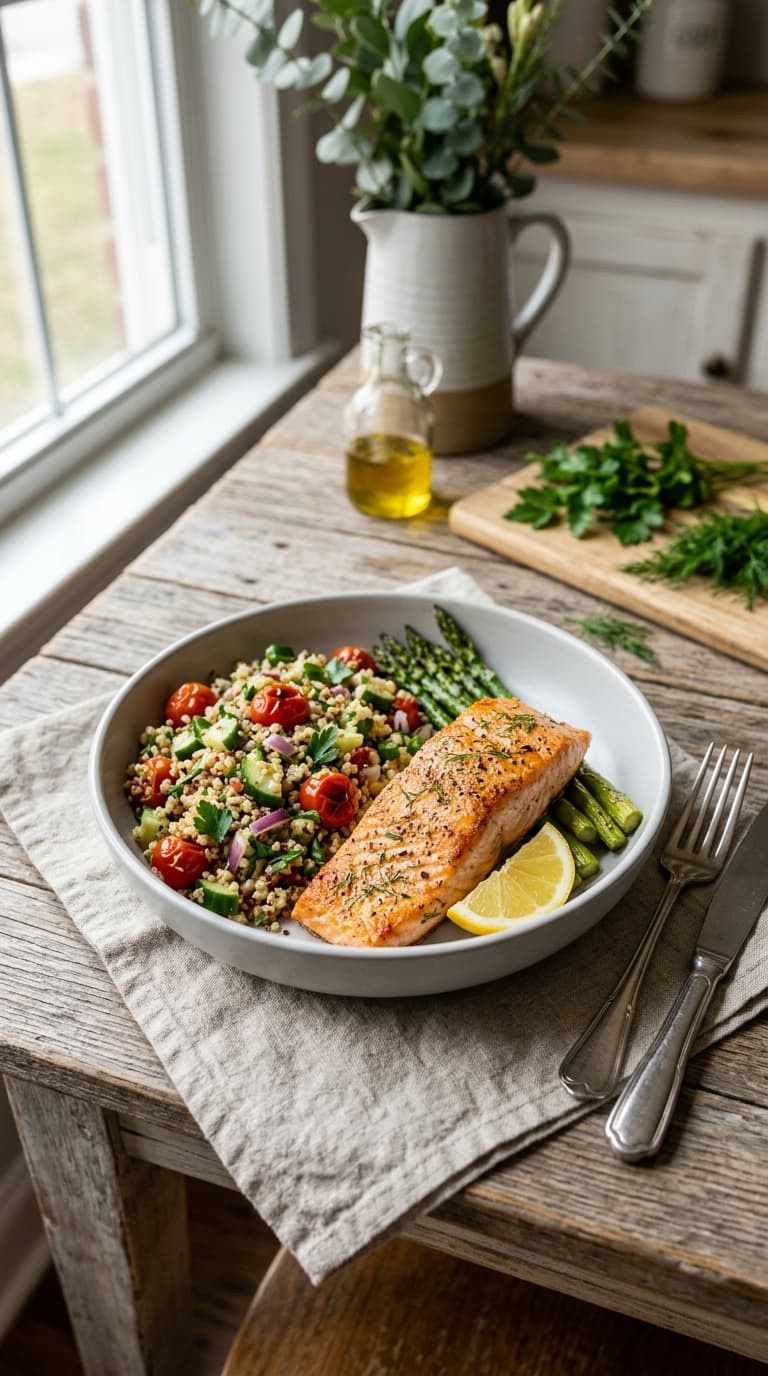
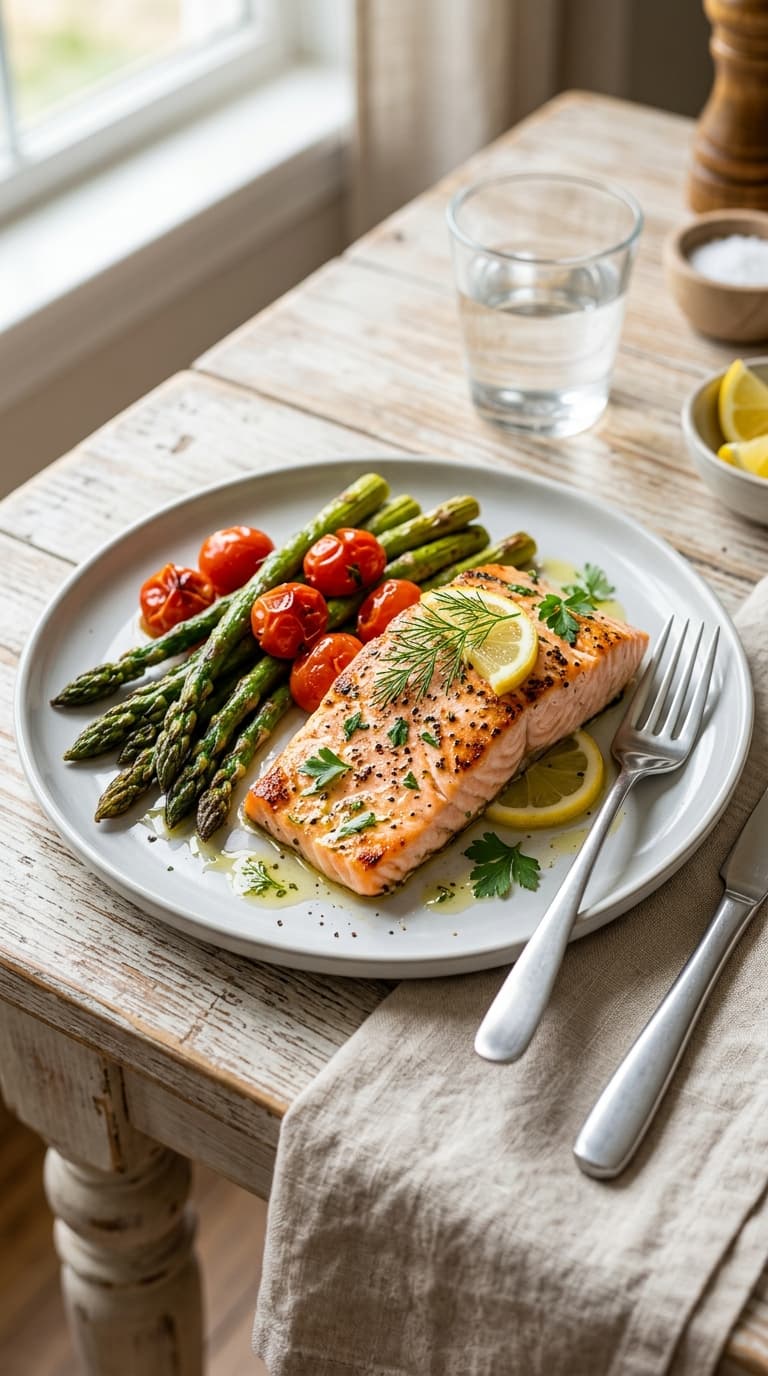
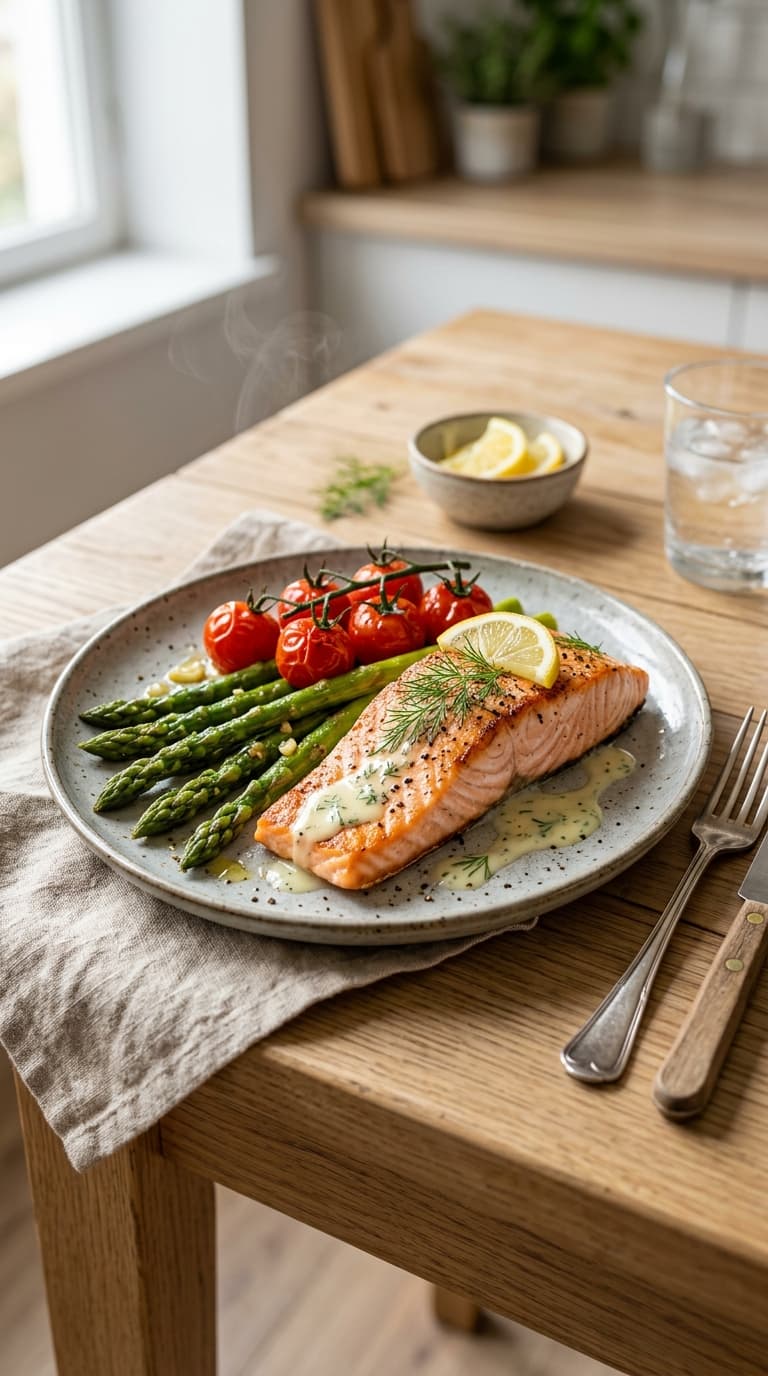
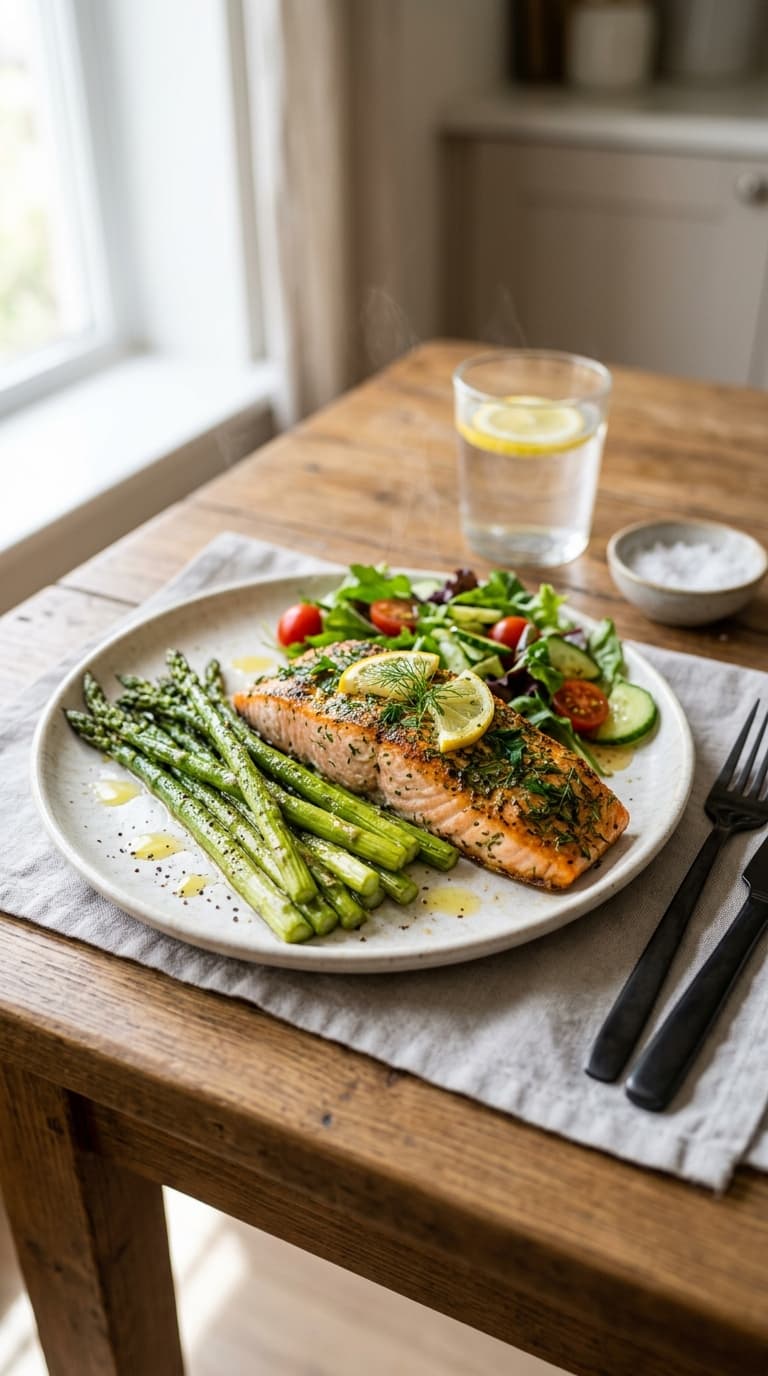
Dinner: Baked salmon with roasted broccoli and garlic butter. If you haven’t roasted broccoli in garlic butter yet, I genuinely feel bad for you — it’s that good.
Snack: A small handful of almonds or walnuts.
Day 2 — Tuesday: Keep the Momentum Going
Breakfast: Two-egg omelet with mushrooms, bell peppers, and cheddar cheese.
Lunch: Lettuce-wrapped turkey and avocado roll-ups with a side of sliced cucumbers.
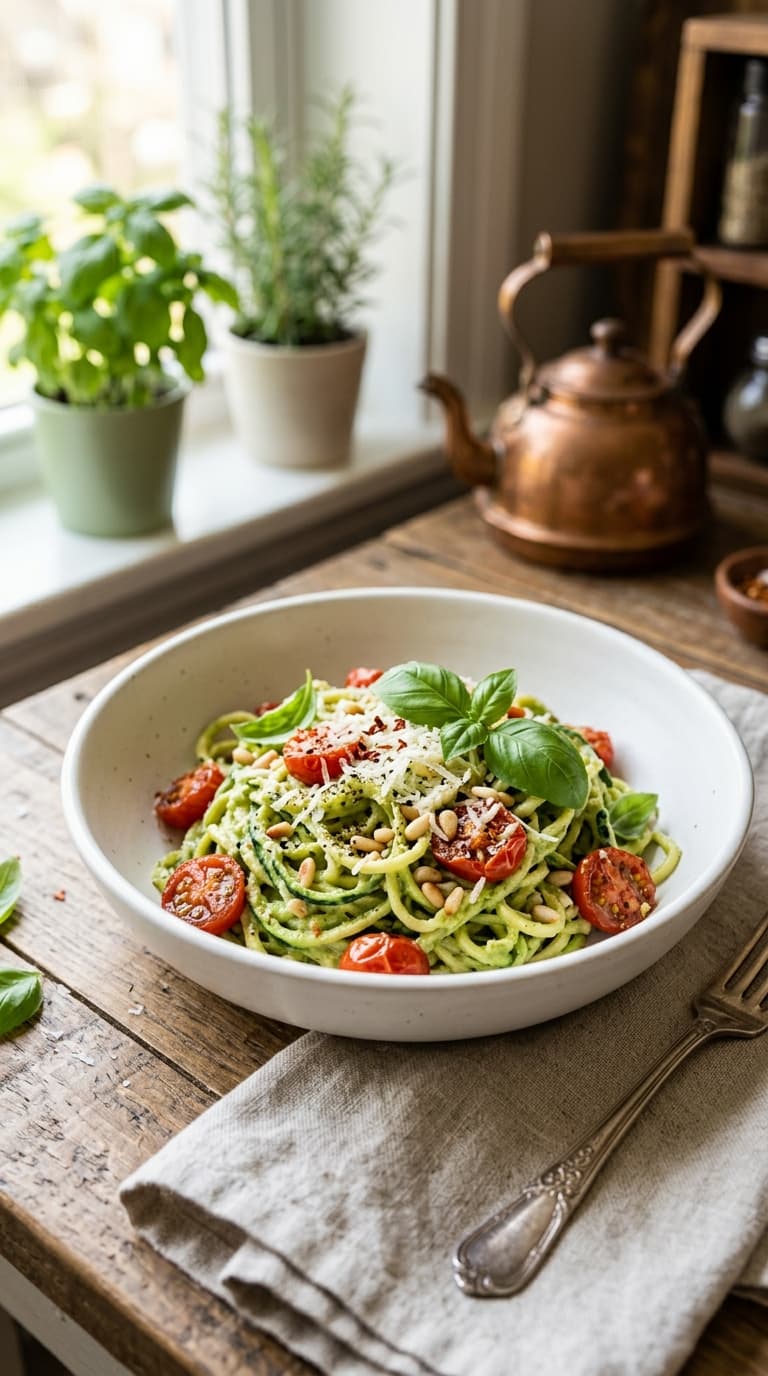
Dinner: Ground beef stir-fry with zucchini noodles and a simple soy-garlic sauce. If you want ideas for building out your low-carb recipe rotation, check out these low-calorie, low-carb recipes for weight loss — they pair perfectly with this kind of eating.
Snack: Celery sticks with almond butter.
Day 3 — Wednesday: Midweek Reset
Breakfast: Full-fat Greek yogurt with a small handful of blueberries and chia seeds. Keep the portion of berries moderate to stay on track with your carb count.
Lunch: Tuna salad (mayo, celery, lemon, salt) served in lettuce cups or on top of a bed of arugula.
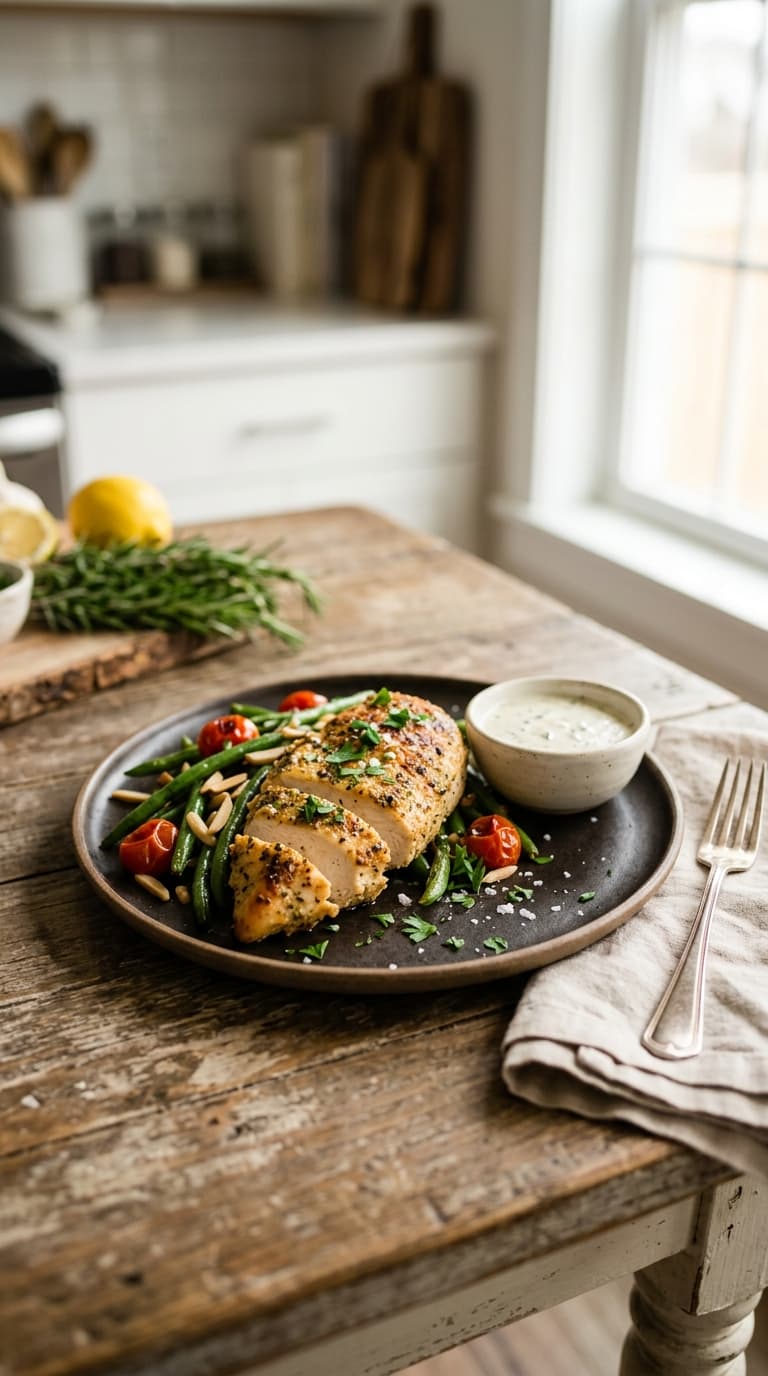
Dinner: Grilled chicken thighs with sautéed zucchini and roasted cherry tomatoes. Chicken thighs over chicken breasts, IMO — way more flavor and they don’t dry out.
Snack: Hard-boiled egg with a pinch of salt and pepper.
Day 4 — Thursday: Halfway There!
Breakfast: Avocado and egg bake — crack two eggs into a halved avocado, sprinkle with chili flakes, bake at 375°F for 12–15 minutes. It looks impressive and takes almost zero effort. 🙂
Lunch: Big leafy green salad topped with grilled shrimp, avocado, cucumber, and a lemon-olive oil dressing.
Dinner: Cauliflower fried rice with eggs, peas, soy sauce, and sesame oil. Honestly, once you nail this recipe, regular fried rice loses its appeal. Cauliflower rice is one of the best low-carb swaps out there, and it pairs well with these high-protein, low-calorie meals that actually keep you full.
Snack: String cheese and a few olives.
Day 5 — Friday: Treat Yourself (Within Reason)
Breakfast: Low-carb pancakes made with almond flour, eggs, and cream cheese. Top with a small drizzle of sugar-free syrup and a few fresh berries.
Lunch: Zucchini and ground turkey soup — simple, warm, filling. If you love a good bowl of soup that won’t wreck your goals, you’ll want to bookmark these low-calorie soups under 200 calories for future reference.
Dinner: Pan-seared steak with roasted asparagus and garlic herb butter. Because it’s Friday. You deserve it.
Snack: A few squares of 85% dark chocolate. Yes, dark chocolate is allowed — just don’t eat the whole bar. You know who you are.
Day 6 — Saturday: Weekend Mode
Breakfast: Veggie-packed frittata with eggs, spinach, red onion, sun-dried tomatoes, and goat cheese. Make a big one — you’ll be glad you have leftovers.
Lunch: Grilled chicken bowl with cauliflower rice, black beans (small amount), shredded cheese, sour cream, and salsa. Think burrito bowl without the tortilla. Honestly, you don’t even miss it.
Dinner: Baked cod with lemon butter sauce, served with steamed green beans and sliced almonds. Light, protein-rich, and genuinely restaurant-level good when you nail the butter sauce.
Snack: Cucumber slices with full-fat cream cheese and everything bagel seasoning. This one sounds weird and tastes amazing — trust the process.
Day 7 — Sunday: Prep and Wind Down
Breakfast: Smoked salmon with scrambled eggs and cream cheese. Weekend brunch energy without the carb crash.
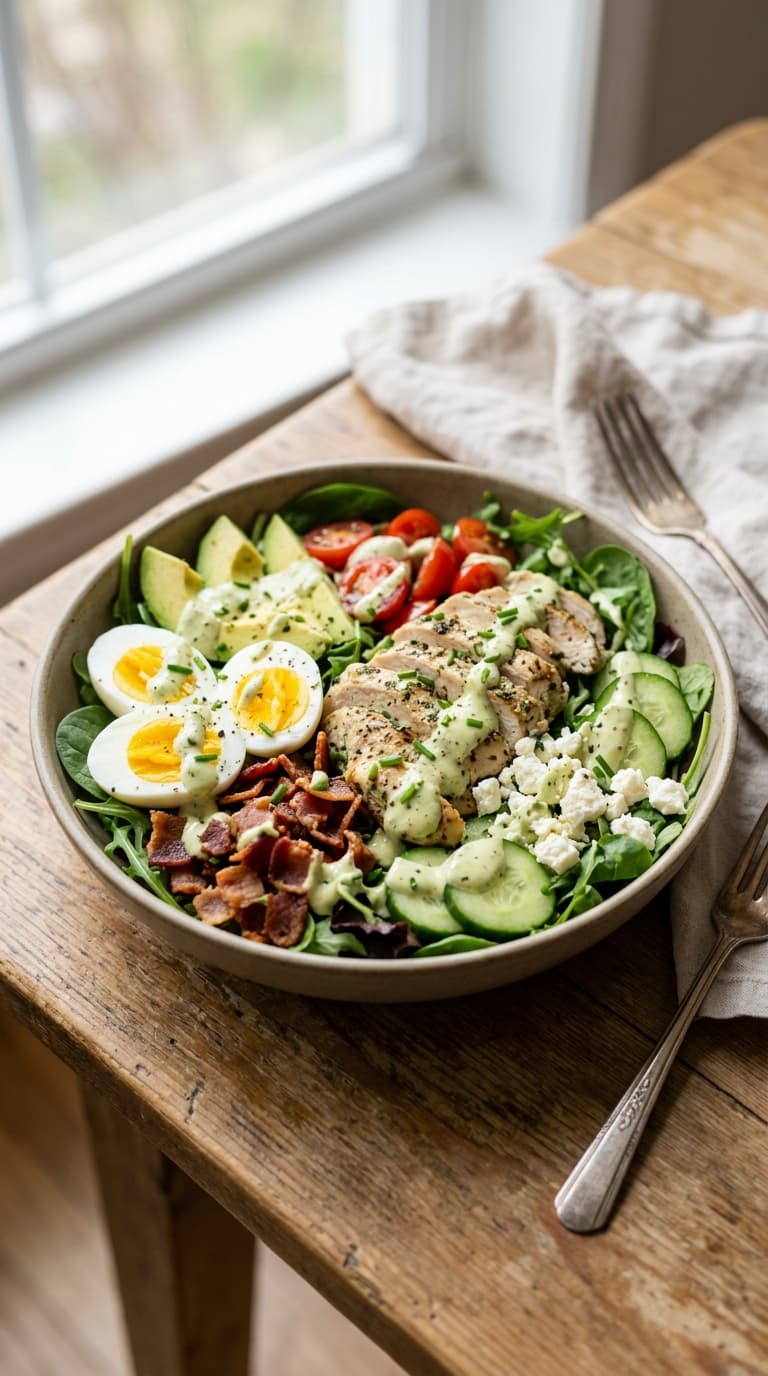
Lunch: Big mason jar salad with romaine, grilled chicken, hard-boiled eggs, bacon bits, shredded parmesan, and Caesar dressing. No croutons needed, I promise.
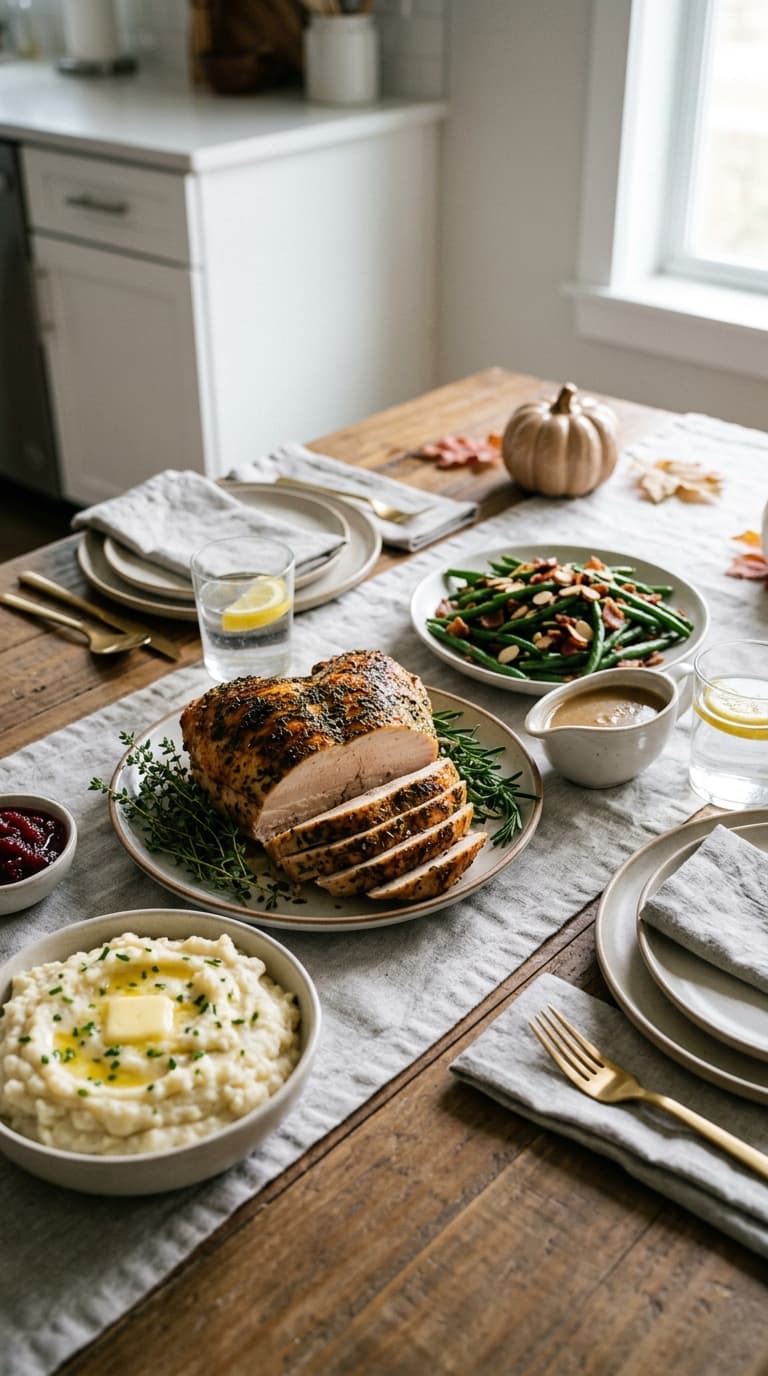
Dinner: Slow-cooked pulled chicken with sautéed cabbage and a mustard-based sauce. This is a great Sunday meal because you can make a big batch and use leftovers for Monday’s lunch. Smart meal planning starts now — if you want to get ahead on the prep side, these cheap low-calorie meals for meal prep are incredibly helpful for beginners.
Snack: A small bowl of mixed berries with a dollop of whipped cream.
Tips For Making This Week Actually Work
Prep Ahead — Even Just a Little
You don’t need to become a full-on meal prep guru overnight. But spending 30–45 minutes on Sunday washing vegetables, boiling eggs, and portioning snacks can completely change how the week goes. Hungry + unprepared = bad decisions. Always.
Keep Low-Carb Snacks Stocked
The biggest mistake beginners make is not having anything grab-and-go when hunger hits between meals. Keep things like hard-boiled eggs, string cheese, nuts, and cut vegetables in plain sight in your fridge. If you need more snack inspiration, these low-calorie salty snacks to keep you full are a solid go-to.
Don’t Fear Fat
This one trips up a lot of people. Low-carb eating relies on healthy fats — avocado, olive oil, butter, nuts, fatty fish — to keep you satisfied. Fat is not the enemy here. Sugar and refined carbs are. Once you shift your mindset on this, the whole approach clicks.
Watch Your Drinks
Most people forget that drinks carry carbs too. Juice, sweetened coffee drinks, sports drinks, and even some protein shakes can quietly blow your daily carb budget. Stick to water, sparkling water, black coffee, or herbal teas. If you’re curious about better drink options that support your goals, this list of low-calorie drinks that support weight loss is genuinely useful.
What To Expect In Your First Week
Let’s be real — the first two to three days can feel rough. Some people experience what’s commonly called the “low-carb flu” — fatigue, mild headaches, or brain fog as your body adjusts to burning fat instead of glucose. It’s temporary, it’s normal, and it passes.
Here’s what most beginners notice by the end of Week 1:
- Reduced bloating — cutting refined carbs often leads to noticeable reduction in water retention
- More stable energy — no more 3pm crash after a carb-heavy lunch
- Fewer cravings — protein and fat keep blood sugar stable, which means you stop reaching for snacks every hour
- Possible scale movement — early weight loss on low-carb is often water weight, but it’s encouraging
If you want to understand how low-carb eating fits into a broader calorie strategy, this breakdown on how to lose weight on 1,200–1,500 calories without starving explains it really well.
Low-Carb Grocery List For Beginners
Here’s a quick shopping list to cover most of this week’s meals:
Proteins:
- Eggs (get a big carton — you’ll use them all)
- Chicken thighs and breasts
- Ground beef or turkey
- Salmon, cod, or tuna
- Shrimp
Vegetables:
- Spinach, mixed greens, arugula
- Broccoli, cauliflower, zucchini
- Bell peppers, mushrooms, cherry tomatoes
- Asparagus, green beans, cabbage
- Cucumbers, celery
Fats & Dairy:
- Avocados
- Olive oil and butter
- Full-fat Greek yogurt
- Cream cheese, cheddar, feta, goat cheese
- Almonds, walnuts
Extras:
- Soy sauce (low-sodium), garlic, lemon
- Everything bagel seasoning (trust me)
- 85% dark chocolate
- Almond flour (for the pancakes)
If you want to keep your grocery bill low while staying on track, check out these 12 low-calorie grocery staples that are always worth buying — most of them overlap perfectly with a low-carb approach.
Wrapping It Up
Here’s the truth: a low-carb diet works best when you stop overthinking it. Cut the refined carbs, eat real food, keep protein and healthy fats at the center of every meal, and give your body a week to adjust. That’s it.
This 7-day plan gives you a solid, practical starting point — no calorie counting obsession required, no weird supplements, no $15 protein bars. Just real, satisfying food that keeps you energized and on track.
And hey, if you slip up one day and eat a slice of pizza? The world won’t end. Just get back on track the next meal. That’s the whole mindset. 🙂
If you’re looking to keep the momentum going after this week, explore some of these high-protein, low-calorie meals for weight loss to build out your recipe collection — they pair perfectly with everything you’ve just learned.
Now go stock that fridge. Week one starts now.