30-Day Anti-Inflammatory Meal Plan For Women That Are Easy
30-Day Anti-Inflammatory Meal Plan For Women That Are Easy
Let’s be real — you’ve probably heard the word “inflammation” thrown around so much that it’s starting to feel like a buzzword. But here’s the thing: chronic inflammation is genuinely one of the biggest reasons women feel tired, bloated, achy, and just… off. And the wild part? Your food choices are one of the fastest ways to actually fix it. I’ve been down this road myself, and once I started eating with inflammation in mind, the difference was kind of embarrassing — like, why didn’t I do this sooner?
This 30-day anti-inflammatory meal plan for women is built to be actually doable. No fancy ingredients you can’t find at your regular grocery store, no meals that take 2 hours on a Tuesday night. Just real, nourishing food that works with your body instead of against it.
What Is Inflammation, and Why Should You Care?
Inflammation isn’t always the enemy. Your body uses it to heal injuries and fight off infections — that’s the good kind. The problem starts when inflammation becomes chronic and low-grade, quietly wreaking havoc on your joints, gut, skin, hormones, and energy levels.
For women especially, chronic inflammation is linked to conditions like PCOS, endometriosis, thyroid issues, and autoimmune disorders. It also makes losing weight a whole lot harder. So yeah, it’s worth paying attention to.
The good news? You don’t need a prescription to fight it. Food is genuinely one of the most powerful anti-inflammatory tools you have.
The Foundation: Foods That Fight Inflammation
Before we get into the actual meal plan, let’s talk about what you’ll be eating a lot of — and what you’ll be quietly avoiding.
Foods to Embrace
- Fatty fish (salmon, sardines, mackerel) — packed with omega-3s
- Leafy greens (spinach, kale, arugula)
- Berries (blueberries, strawberries, cherries)
- Olive oil — the good stuff, extra virgin
- Nuts and seeds (walnuts, flaxseeds, chia seeds)
- Turmeric and ginger — nature’s anti-inflammatory duo
- Whole grains (brown rice, quinoa, oats)
- Legumes (lentils, chickpeas, black beans)
- Colorful vegetables — basically eat the rainbow
Foods to Reduce (or Ditch Entirely)
- Processed sugar and sugary drinks
- Refined carbs (white bread, pastries)
- Fried foods and trans fats
- Excessive alcohol
- Processed meats
- Vegetable oils high in omega-6 (corn oil, soybean oil)
IMO, you don’t need to be perfect about this. The goal is progress, not perfection. If you nail 80% of it, your body will notice.
Week 1: Reset and Rebuild
Week one is all about crowding out the bad stuff by filling your plate with so many good things that you barely miss what’s gone.
Breakfast Ideas for Week 1
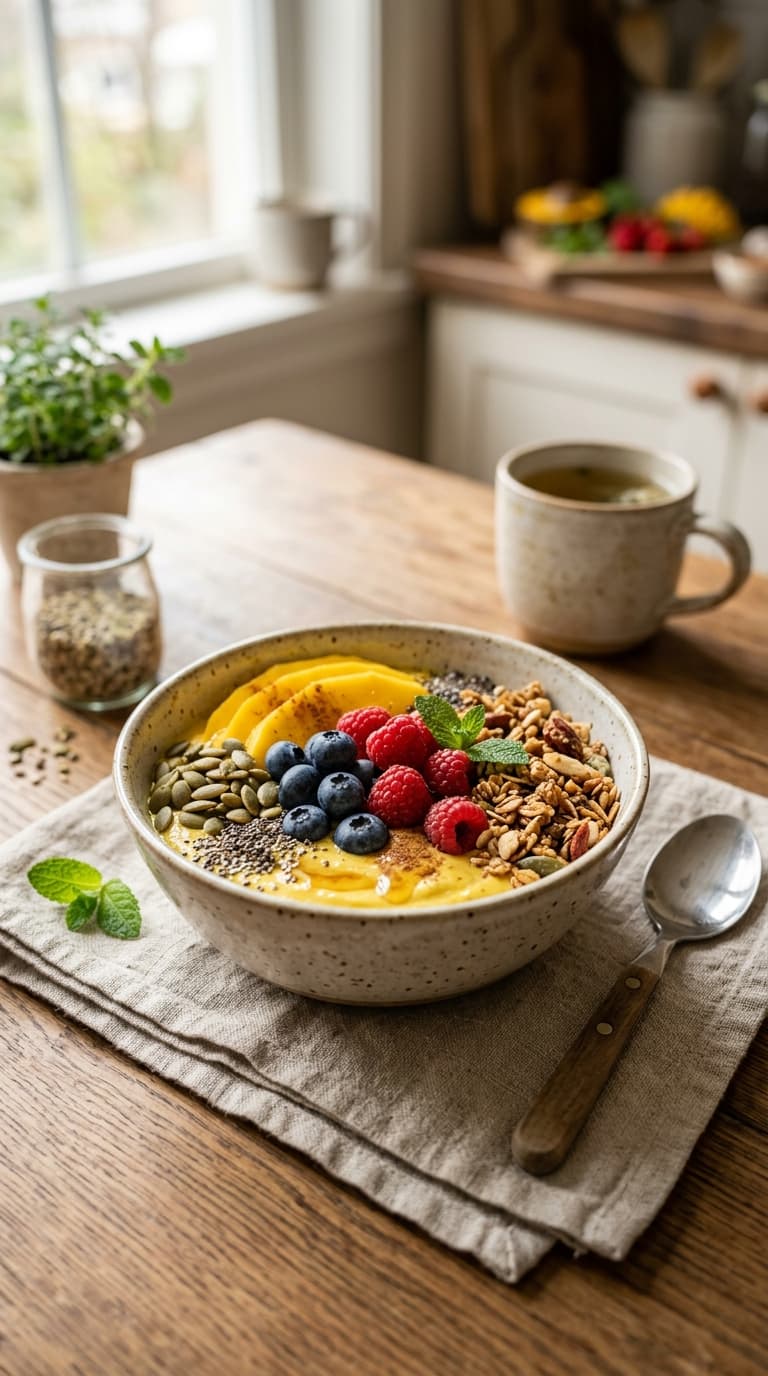
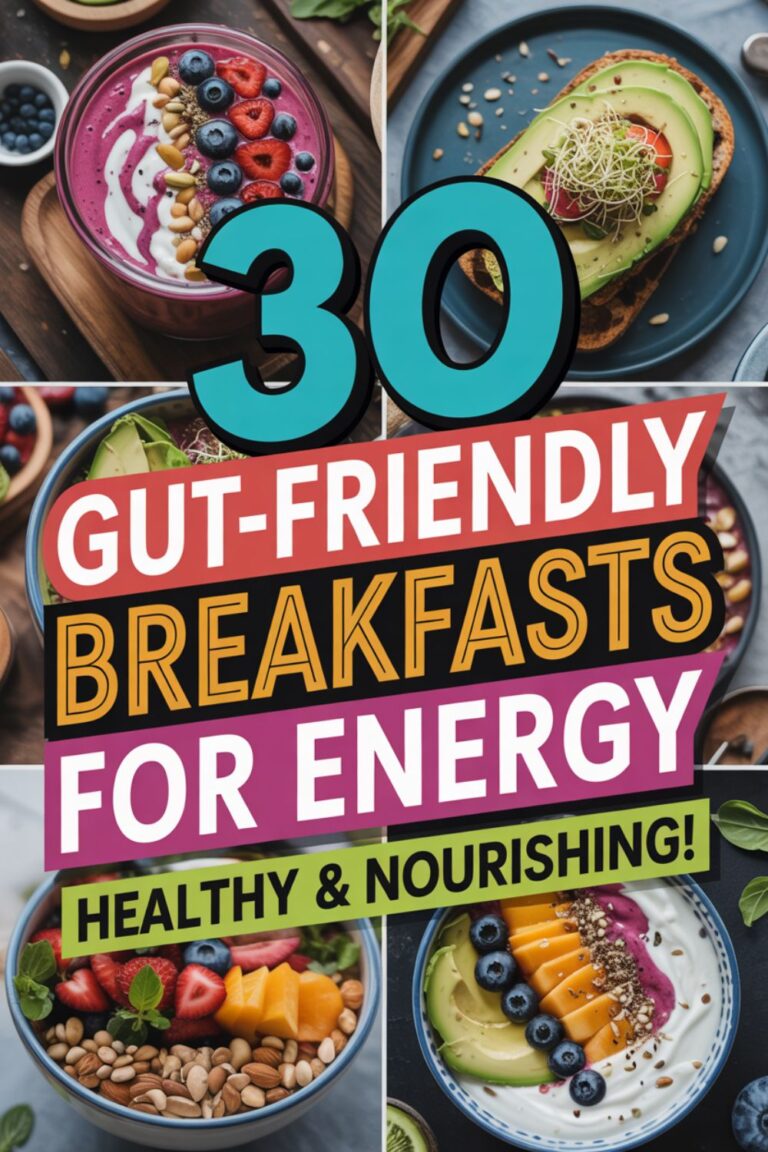
Start your mornings strong. Think overnight oats with chia seeds and blueberries, a turmeric scrambled egg bowl with spinach, or a simple smoothie loaded with frozen mango, ginger, and coconut milk. If you’re always rushed in the mornings, these calorie deficit breakfasts perfect for busy mornings will give you plenty of grab-and-go ideas that fit right into an anti-inflammatory approach.
Sample Week 1 Breakfast Rotation:
- Monday: Blueberry chia overnight oats
- Tuesday: Turmeric egg and spinach scramble
- Wednesday: Green smoothie with flaxseed and frozen berries
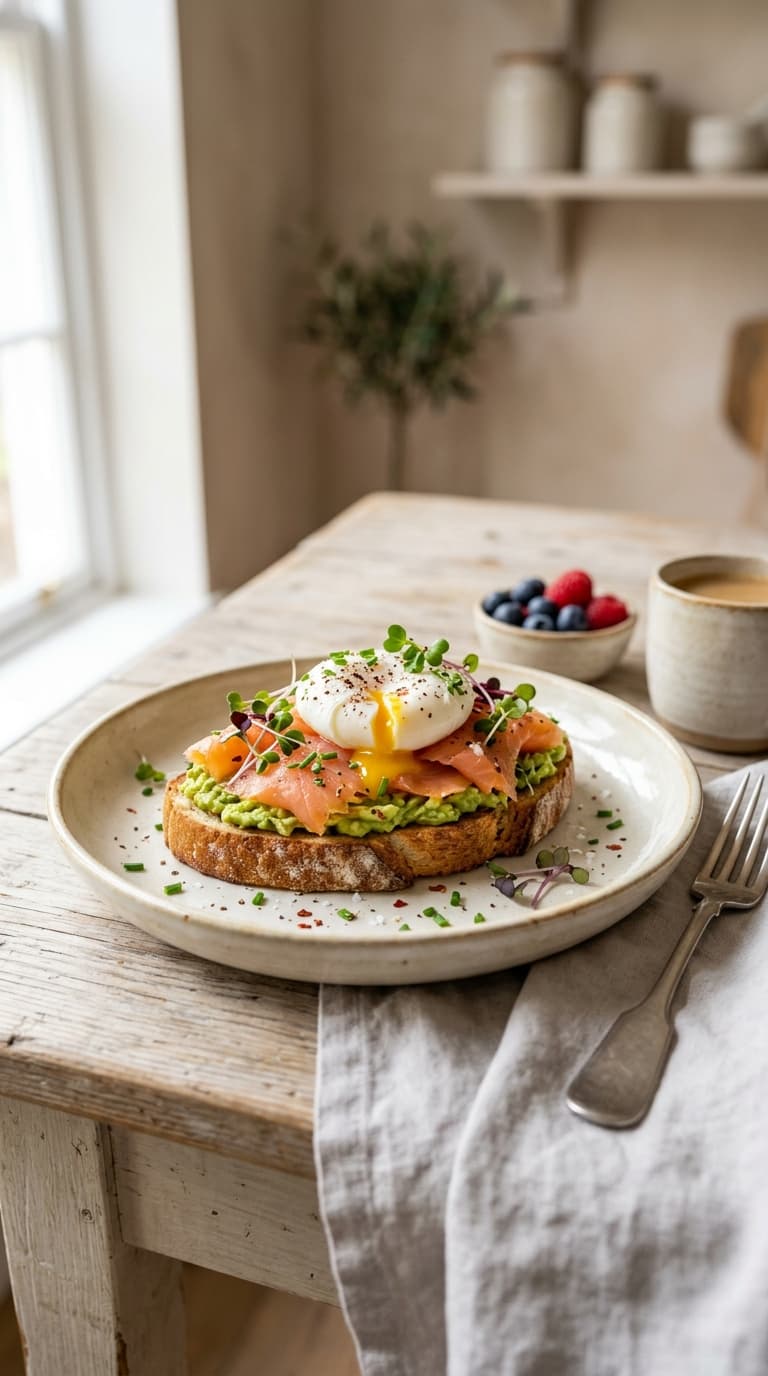
- Thursday: Avocado toast on whole grain bread with hemp seeds
- Friday: Greek yogurt bowl with walnuts and honey
- Saturday: Oatmeal with cinnamon, banana, and almond butter
- Sunday: Veggie-packed frittata with a side of fruit
Lunch Ideas for Week 1
Lunches should be satisfying but not stupefying — you know, the kind where you don’t fall asleep at your desk at 2pm. Big salads with lots of protein, grain bowls with roasted vegetables, or simple lentil soups are your best friends here.
Try a quinoa bowl with roasted sweet potato, arugula, chickpeas, and a lemon-tahini drizzle. It sounds fancy but takes about 20 minutes, and honestly? It hits different every single time. For more ideas that won’t bore you to tears, check out these low-calorie lunch bowls that beat takeout.
Dinner Ideas for Week 1
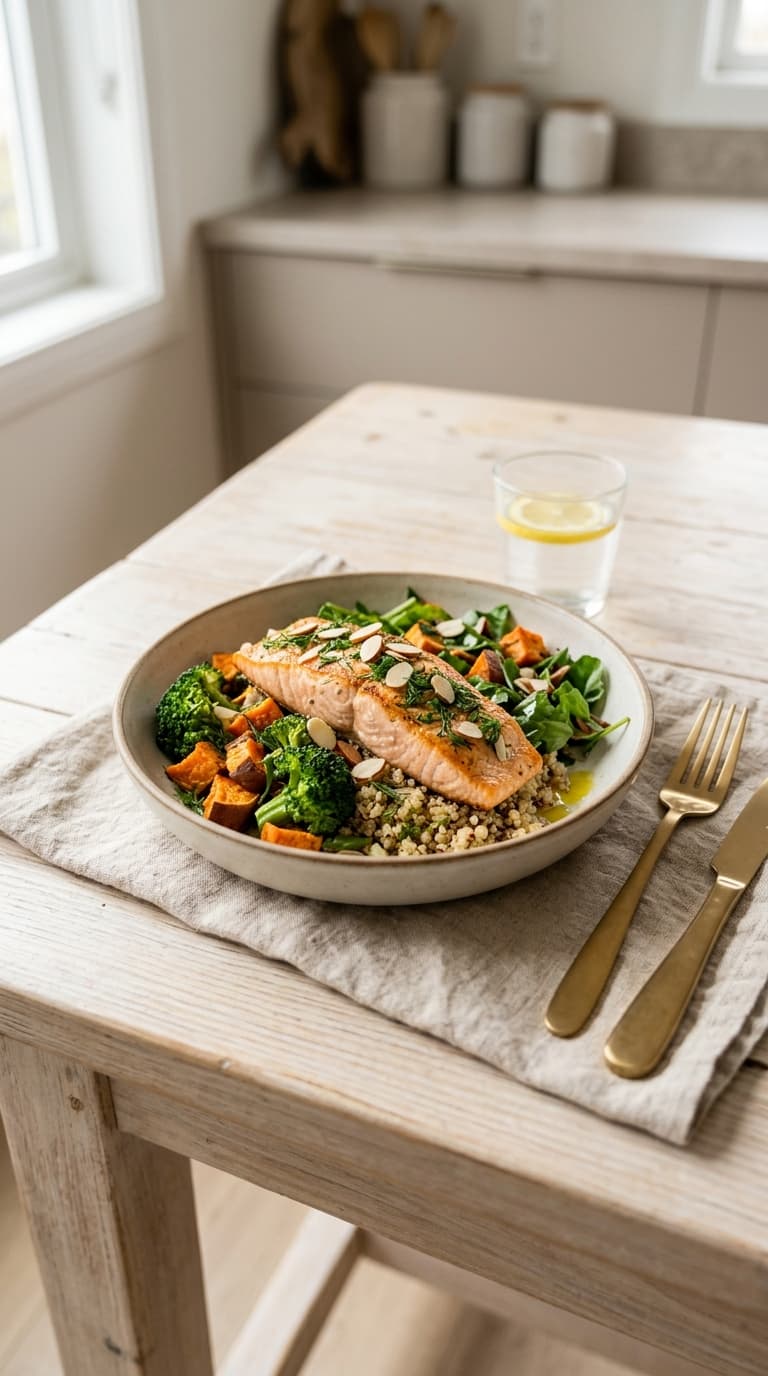
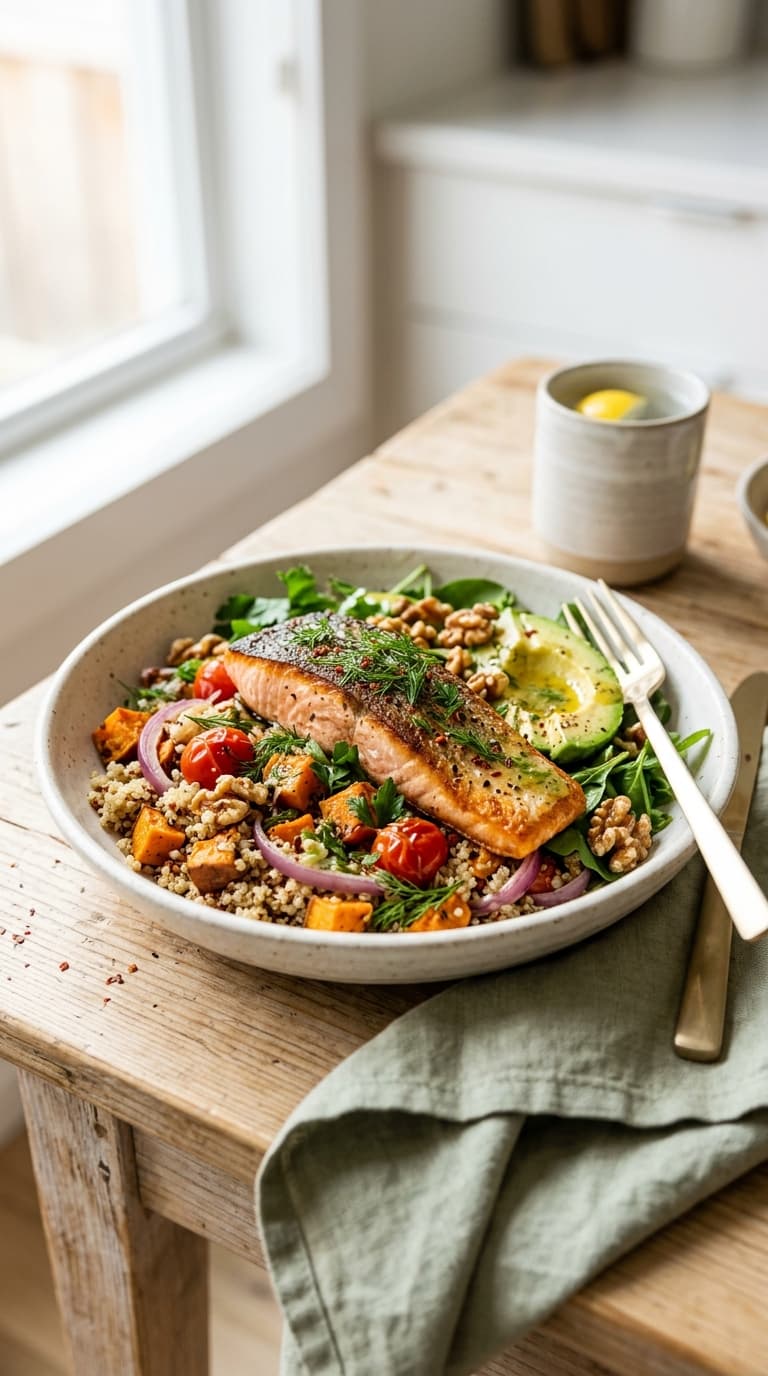
Keep dinners simple and colorful. Sheet pan meals are your secret weapon here — toss some salmon, broccoli, and cherry tomatoes with olive oil and garlic, and let the oven do the work while you decompress from your day. These effortless sheet pan dinner ideas are exactly the kind of low-effort, high-reward meals this plan is built on.
Week 2: Find Your Rhythm
By week two, you should start feeling a subtle shift. Maybe your bloating is a bit better, maybe your skin looks a little clearer. Don’t expect a dramatic transformation yet — this is a slow burn (pun intended), but the momentum is building.
Building Meals Around Anti-Inflammatory Stars
This week, lean into turmeric, ginger, and omega-3-rich proteins in every meal you can. Add turmeric to your morning eggs. Stir fresh ginger into your stir-fries. Make salmon at least twice this week.
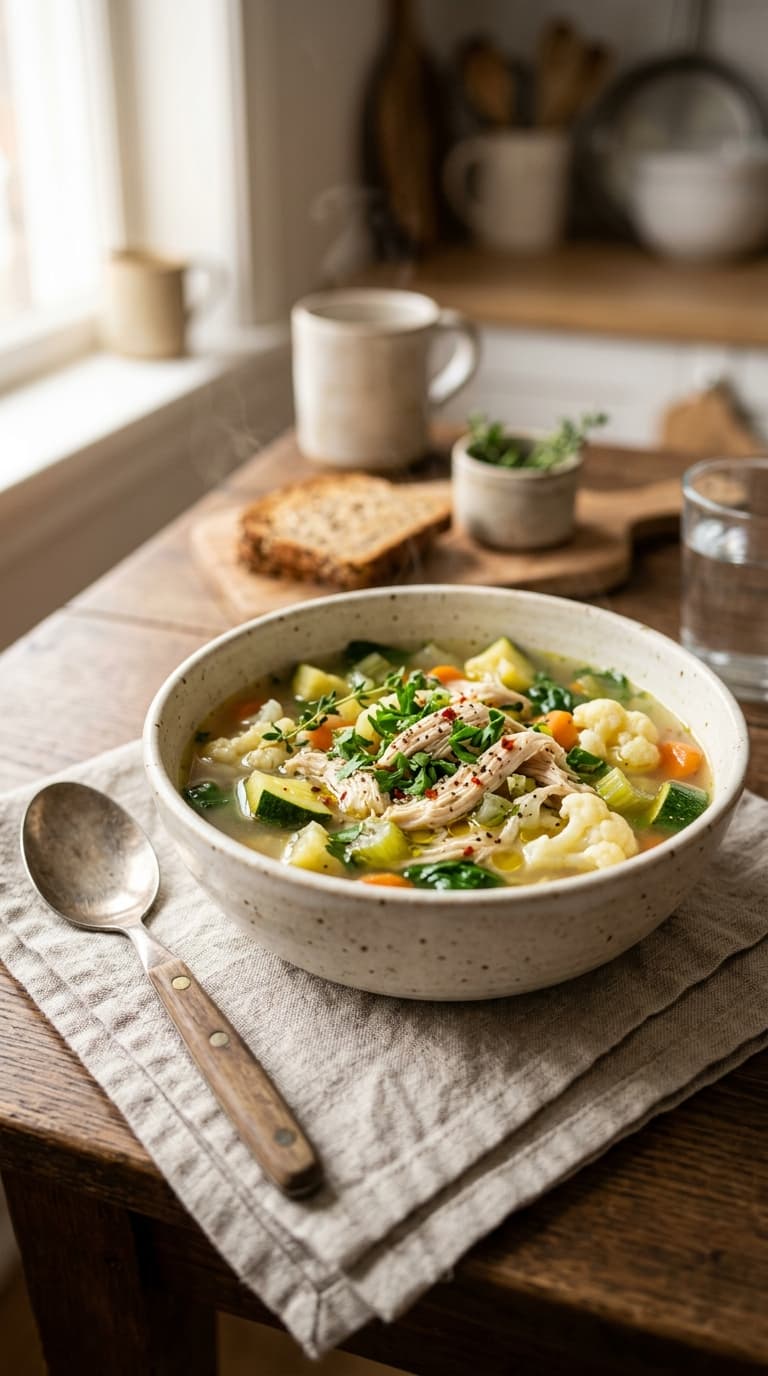
For lunches, start batch-cooking lentil soup or a big pot of vegetable minestrone at the start of the week. Soups are criminally underrated for staying full and getting in a ton of vegetables without even trying. These low-calorie soups that keep you full for hours are the kind of meals you’ll make on repeat all month long.
Snacking the Anti-Inflammatory Way
Can we talk about snacks for a second? Because most people absolutely torpedo their healthy eating with what they grab between meals. Swap the chips and crackers for:
- Walnuts and a small handful of dark chocolate chips
- Sliced apple with almond butter
- Hummus with cucumber and bell pepper strips
- A small bowl of mixed berries
- Edamame with a sprinkle of sea salt
These keep your blood sugar stable and inflammation in check. For more satisfying between-meal options, these high-protein low-calorie snacks for energy are genuinely worth bookmarking.
Week 3: Go Deeper
Week three is where things get interesting. You’re past the novelty phase, and now it’s about building real habits that stick past day 30.
Meal Prepping Like You Mean It
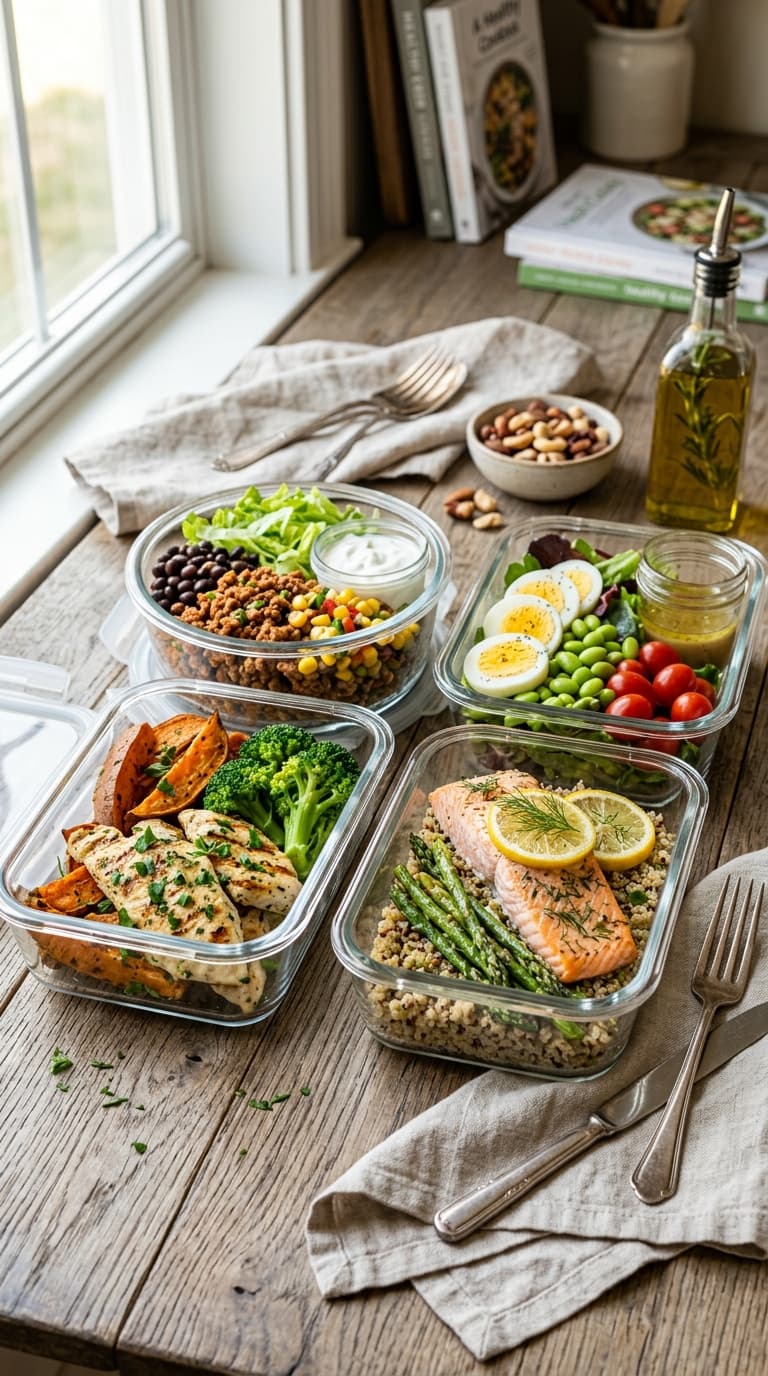
If you haven’t started meal prepping yet, week three is the time. Spending a couple of hours on Sunday will save you from making chaotic food choices when you’re tired and hungry on a Wednesday. Prep a big batch of grains, roast a tray of vegetables, and cook a protein or two.
Some great prep-ahead ideas:
- Brown rice or quinoa — use all week in bowls and salads
- Roasted chickpeas — great as a snack or salad topper
- Hard-boiled eggs — quick protein for breakfasts and snacks
- A big batch of overnight oats portioned into jars
For more meal prep inspiration that actually makes your week easier, these easy low-calorie meal prep ideas for busy weekdays are a great starting point.
Anti-Inflammatory Smoothies Worth Drinking
FYI — not all smoothies are created equal. A lot of commercial smoothies are basically sugar bombs dressed up in health clothes. Build yours around a leafy green base, a frozen berry blend, ground flaxseed or chia, and a liquid like unsweetened almond milk or coconut water.
A golden milk smoothie (banana, turmeric, ginger, almond milk, a pinch of black pepper) is one of my personal favorites and genuinely tastes like dessert. If you want more options, these low-calorie smoothies under 250 calories have some genuinely delicious recipes.
Week 4: Make It Stick
You’re almost there. Week four is about reinforcing what’s working and figuring out how to carry this beyond the 30 days.
Mediterranean-Inspired Meals All Week
The Mediterranean diet is basically the anti-inflammatory diet’s cooler older sister. This week, lean heavily into that style of eating — olive oil, fish, legumes, fresh vegetables, herbs, and whole grains.
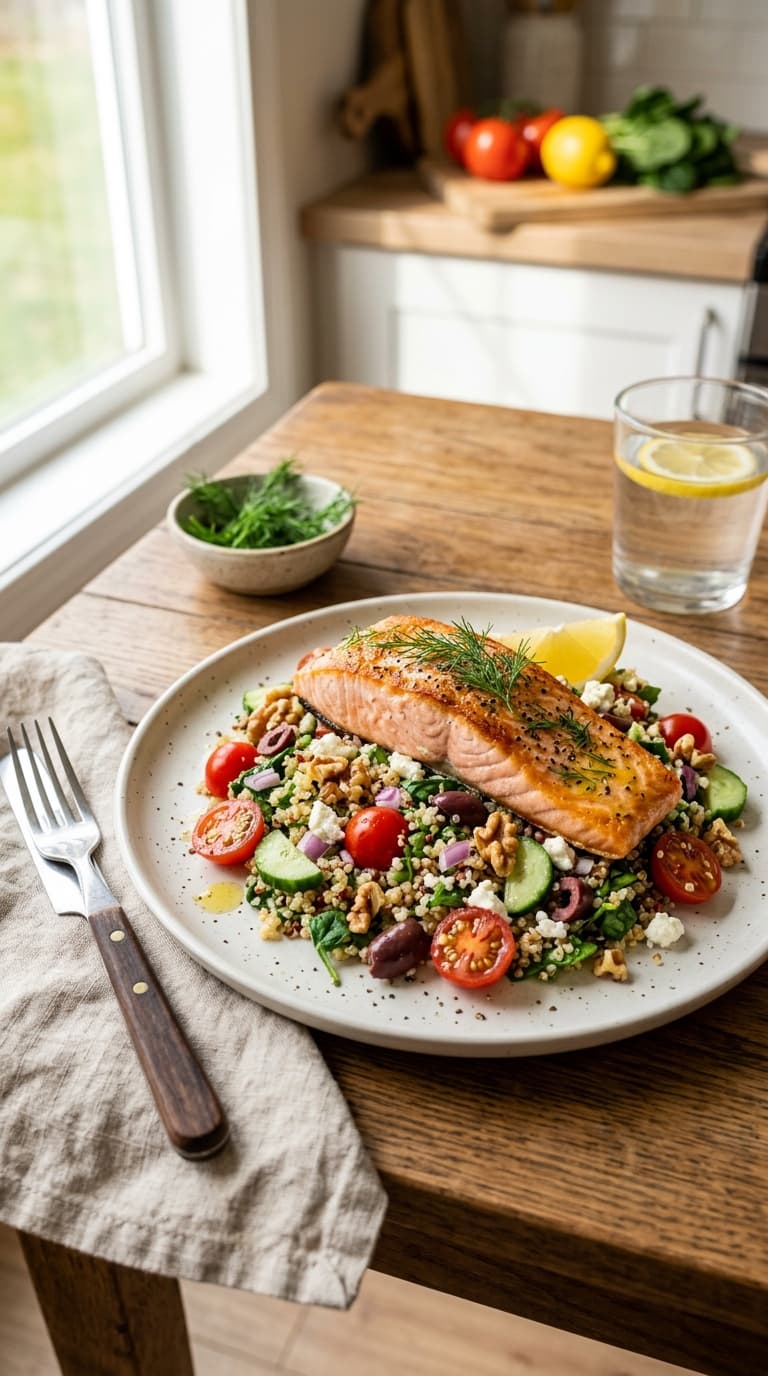
Try a Greek-style baked salmon with lemon and dill, a simple white bean and tomato stew, or a roasted vegetable and feta bowl with a drizzle of good olive oil. These low-calorie Mediterranean recipes that don’t taste like diet food are proof that eating for your health doesn’t have to be sad or boring.
Don’t Forget About Hydration
What you drink matters just as much as what you eat. Water is non-negotiable, but there are also some genuinely helpful anti-inflammatory drinks worth adding — green tea, ginger tea, tart cherry juice, and golden milk are all excellent options. If you want to level up your drink game without adding extra calories, these low-calorie drinks that support weight loss have some really solid ideas.
A Simple Sample Day to Get You Started
Sometimes seeing a full day mapped out makes it all click. Here’s what an easy, realistic anti-inflammatory day looks like:
Breakfast: Overnight oats with chia seeds, blueberries, and a drizzle of honey
Mid-Morning Snack: A small handful of walnuts and an orange
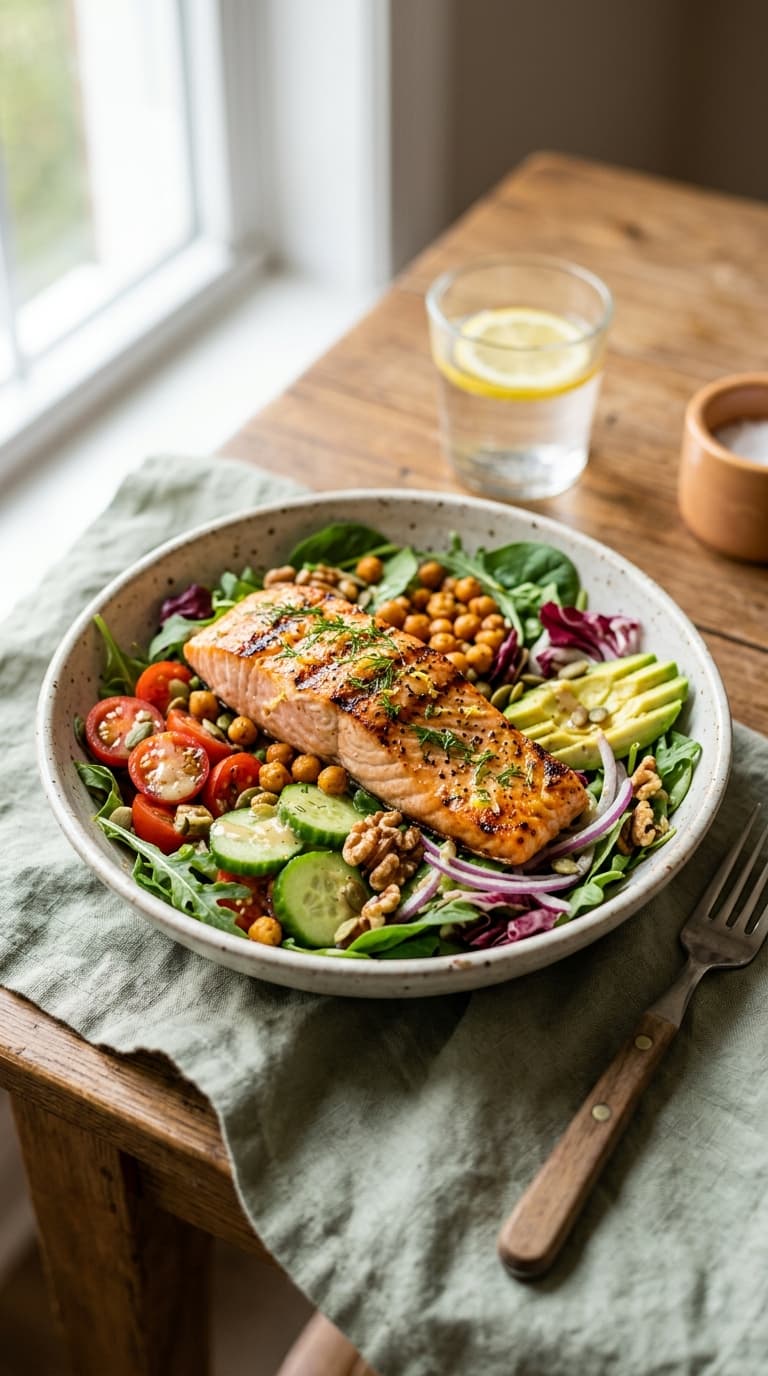
Lunch: Big arugula salad with canned salmon, avocado, cucumber, and lemon-olive oil dressing
Afternoon Snack: Apple slices with almond butter
Dinner: Turmeric-spiced lentil soup with a side of whole grain bread
Evening: A mug of ginger or green tea
See? That’s not miserable at all. In fact, it sounds kind of amazing. 🙂
Tips to Make This Plan Easier to Stick To
Let’s be honest — no meal plan works if it’s too complicated to follow. Here’s how to set yourself up for success:
- Keep your pantry stocked with anti-inflammatory staples (olive oil, canned beans, frozen berries, nuts, whole grains)
- Cook once, eat twice — make extra dinner portions for next day’s lunch
- Don’t aim for perfection — one “off” meal won’t undo your progress
- Read labels on anything packaged and watch for hidden sugars and inflammatory oils
- Batch cook proteins on the weekend so you always have something ready to go
If budget is a concern, you’ll be relieved to know that eating anti-inflammatory doesn’t have to be expensive. Lentils, canned fish, frozen vegetables, and bulk grains are all incredibly affordable. These cheap low-calorie meals for meal prep prove that eating well on a budget is completely doable.
What to Expect After 30 Days
Results vary from person to person, but most women who stick to an anti-inflammatory eating plan report:
- Reduced bloating and improved digestion
- More consistent energy levels throughout the day
- Clearer skin
- Less joint pain or stiffness
- Better mood and mental clarity
- Improved sleep quality
Some people notice changes in week one. Others really start to feel it around week three. Either way, your body is responding — even when you can’t see it yet.
The bigger picture is this: you’re not just doing a 30-day challenge. You’re rewiring your relationship with food and building habits that could genuinely change how you feel for years. That’s kind of a big deal. :/
The Bottom Line
This 30-day anti-inflammatory meal plan for women isn’t about restriction or counting every calorie until you want to cry. It’s about eating more of the right things — colorful vegetables, quality proteins, healthy fats, and whole grains — so your body has what it needs to calm the inflammatory fire that’s been quietly burning.
Start where you are. Use what you have. Make swaps where you can. And if you have a day where dinner is cereal from the box, it’s fine — tomorrow is a fresh start.
The best thing you can do right now is take one small step. Stock up on some key ingredients, prep a batch of overnight oats tonight, and commit to just one week. If you want extra support on keeping your meals satisfying without overdoing calories, this guide on how to lose weight without starving pairs perfectly with what you’re already doing here.
You’ve got this — and your body is going to thank you for it.