21-Day Whole Foods Meal Plan You’ll Love
21-Day Whole Foods Meal Plan You’ll Love
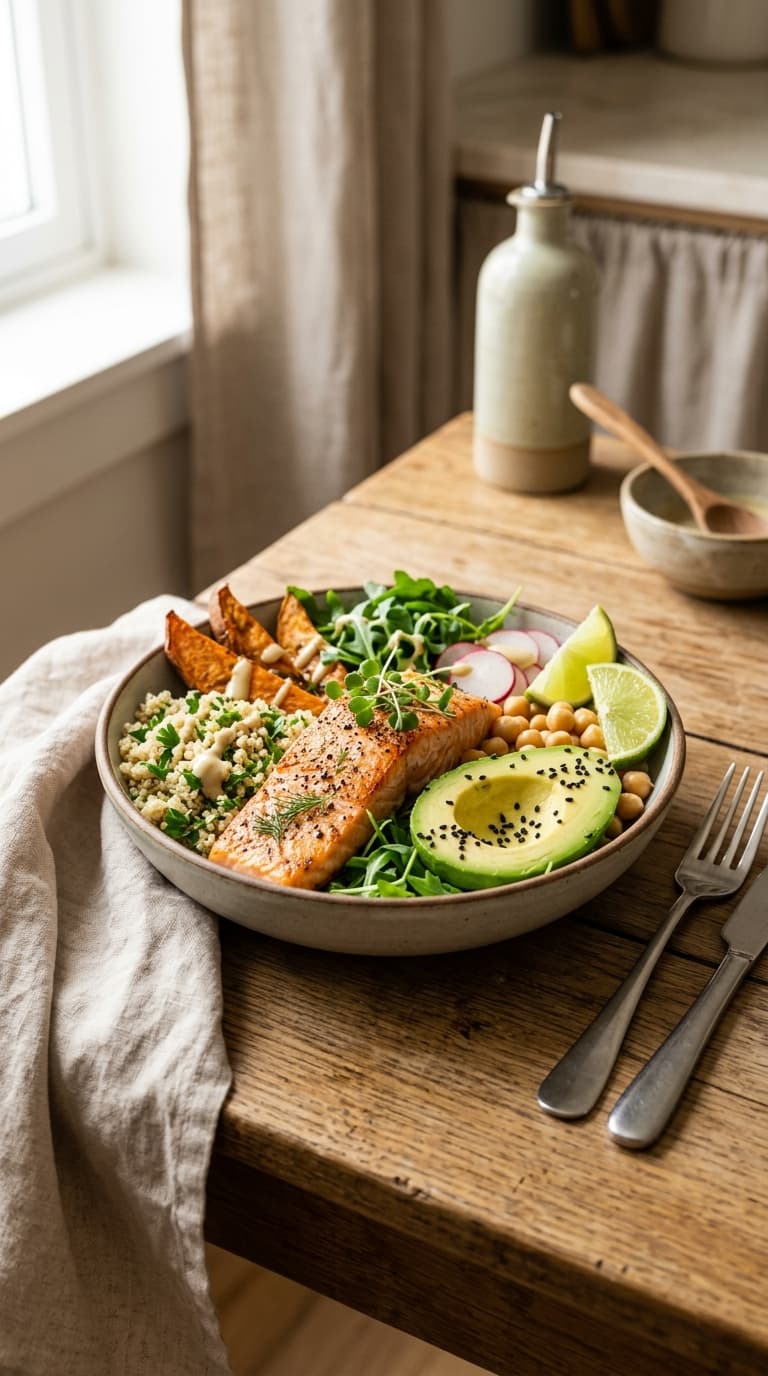
Let’s be real — most “healthy eating plans” last about four days before you’re standing in the kitchen at 10pm eating crackers over the sink. Been there. This 21-day whole foods meal plan is different because it’s actually built for real life, not some Instagram fantasy where every meal takes two hours and requires ingredients you’ve never heard of.
Whole foods eating isn’t a diet. It’s just getting back to basics — real ingredients, real flavors, and meals that actually make you feel good. And yes, you can absolutely love what you eat while doing it. 🙂
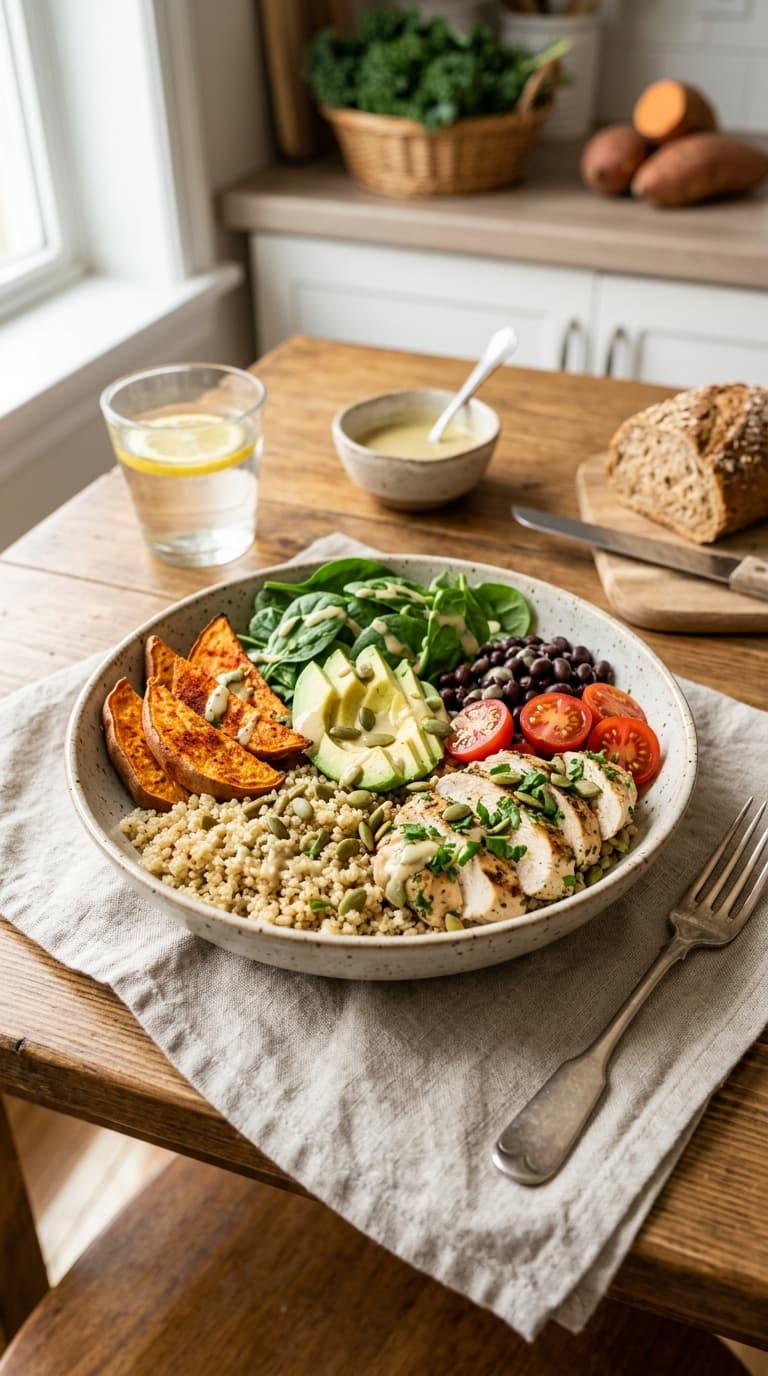
What Even Are Whole Foods? (Quick Refresher)
Whole foods are simply foods that are as close to their natural state as possible. Think fruits, vegetables, whole grains, legumes, nuts, seeds, and lean proteins. No ingredient lists with 47 items. No mystery powders. Just food.
The idea isn’t to be perfect — it’s to make better choices most of the time. FYI, eating a whole foods diet doesn’t mean you’re banned from ever enjoying anything fun again. It means you’re building a foundation of nourishing meals that keep your energy stable and your body happy.
So why 21 days? Because that’s just enough time to reset your habits, notice real changes in how you feel, and actually start to enjoy this way of eating.
What to Stock Before You Start
You can’t cook whole foods meals if your pantry is full of chips and instant ramen. (No judgment — we’ve all been there.) Before day one, spend one solid grocery trip building a foundation.
Pantry staples to grab:
- Brown rice, quinoa, oats, and whole grain pasta
- Canned chickpeas, black beans, and lentils
- Olive oil, apple cider vinegar, and low-sodium soy sauce
- Nuts and seeds — almonds, chia seeds, flaxseeds
- Dried herbs and spices — garlic powder, cumin, smoked paprika, turmeric
Fridge and freezer essentials:
- Leafy greens — spinach, kale, arugula
- Fresh and frozen vegetables — broccoli, zucchini, bell peppers, frozen peas
- Eggs, plain Greek yogurt, and cottage cheese
- Lean proteins — chicken breast, salmon, tofu, turkey
- Fresh fruit — berries, bananas, apples, citrus
When your kitchen is stocked right, eating well becomes almost automatic. It’s hard to make a bad choice when the only things in your fridge are good options. Check out these 12 low-calorie grocery items that make the whole process even easier on your wallet.
Week 1: The Reset (Days 1–7)
Week one is all about getting your body used to eating cleaner. Expect to feel a little tired around days two and three — that’s totally normal as your body adjusts. Push through it, because by day five most people feel noticeably better.
Breakfast Ideas for Week 1
Starting your morning with a whole foods breakfast sets the tone for the entire day. Skip the sugary cereals and grab something that actually fuels you.
- Overnight oats with chia seeds, banana, and almond butter
- Veggie scrambled eggs with spinach, tomatoes, and a side of whole grain toast
- Greek yogurt bowls with mixed berries and a drizzle of honey
These low-calorie high-protein breakfast ideas are perfect if you’re also watching your intake while eating clean. And if mornings are chaotic, these make-ahead breakfasts will save your sanity.
Lunch Ideas for Week 1
Lunch is where a lot of people fall apart — usually because they didn’t plan ahead and suddenly it’s noon and the nearest option is a drive-through. Meal prepping your lunches for the week on Sunday genuinely changes everything.
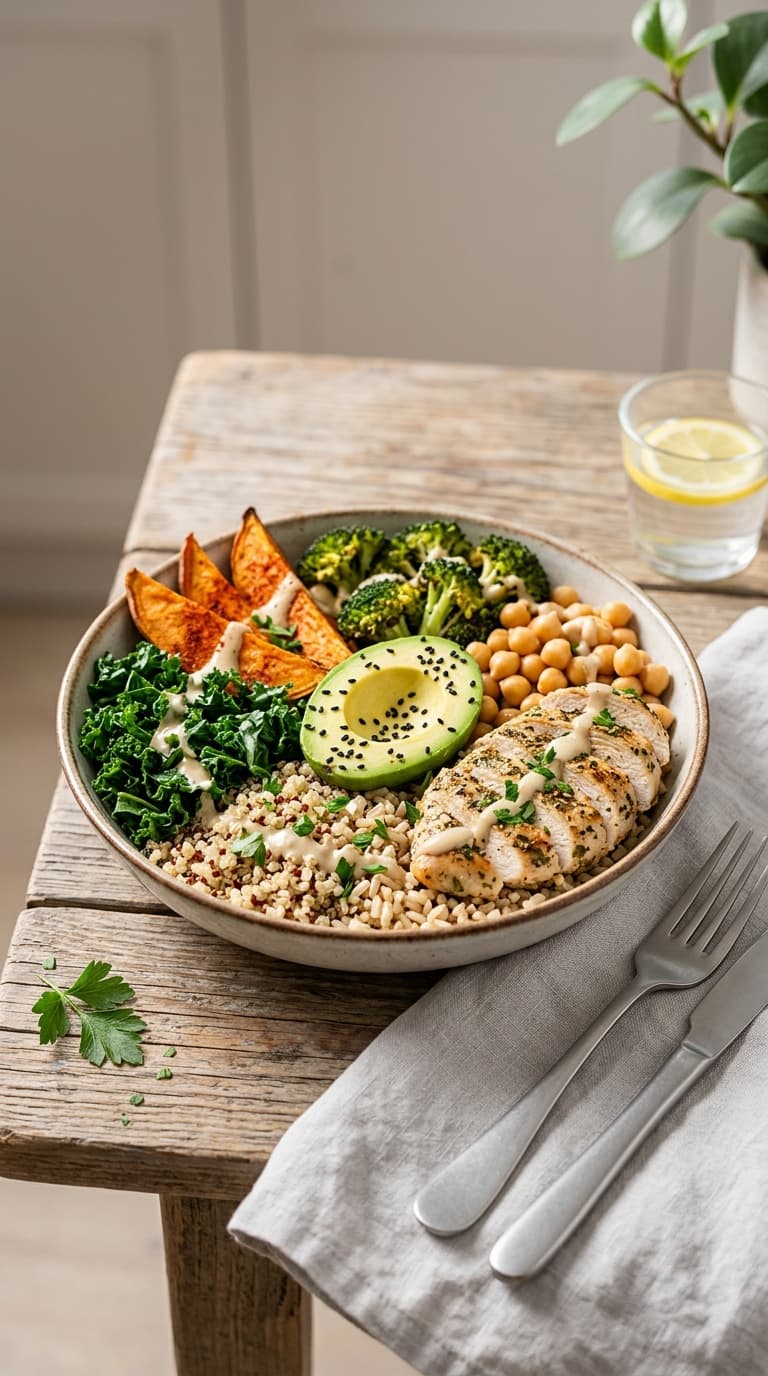
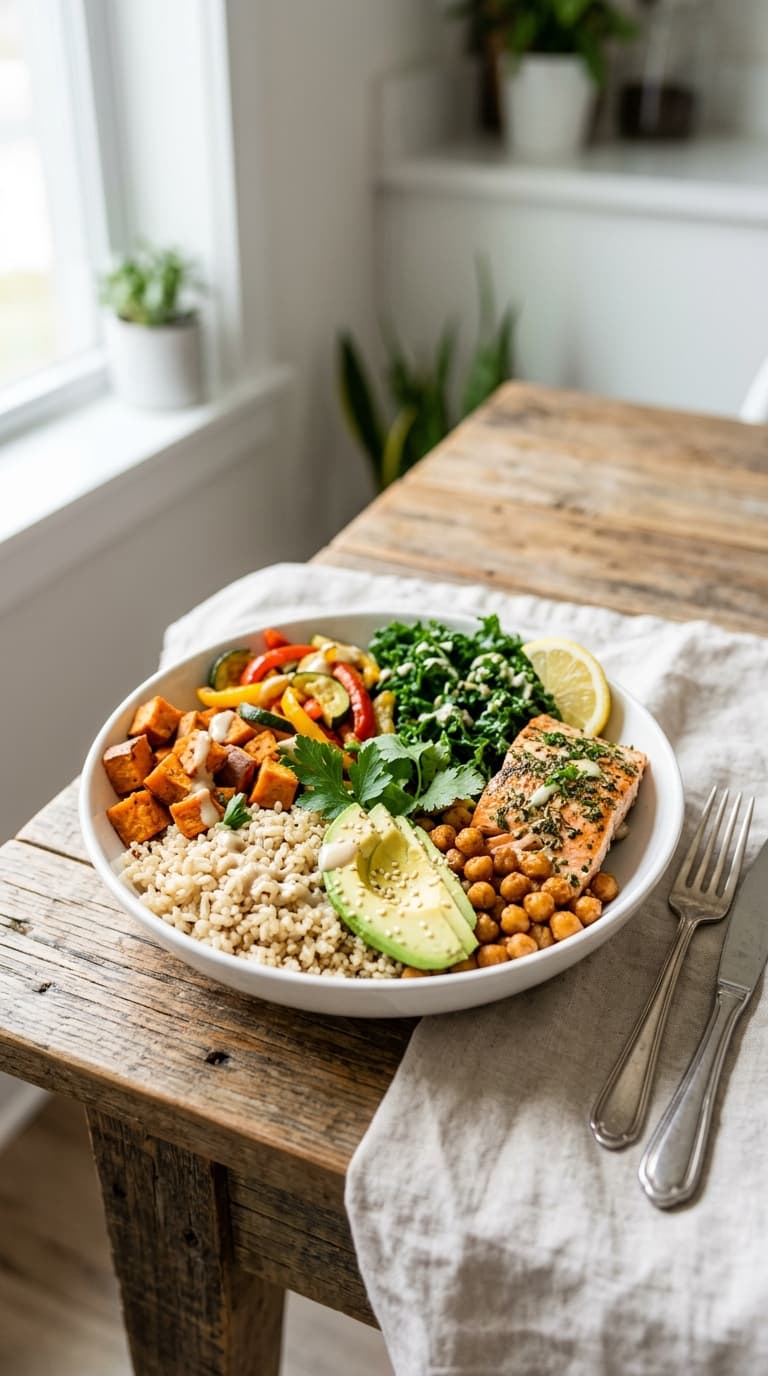
- Big grain bowls with quinoa, roasted veggies, and lemon tahini dressing
- Turkey and avocado lettuce wraps with a side of sliced cucumber
- Lentil soup with crusty whole grain bread
For office days, these easy low-calorie lunch ideas for work are exactly what you need — quick, packable, and actually filling.
Dinner Ideas for Week 1
Keep dinners simple during week one. You’re building a new habit, not auditioning for a cooking competition.
- Sheet pan chicken with roasted broccoli and sweet potatoes
- Black bean tacos with cabbage slaw and fresh salsa in corn tortillas
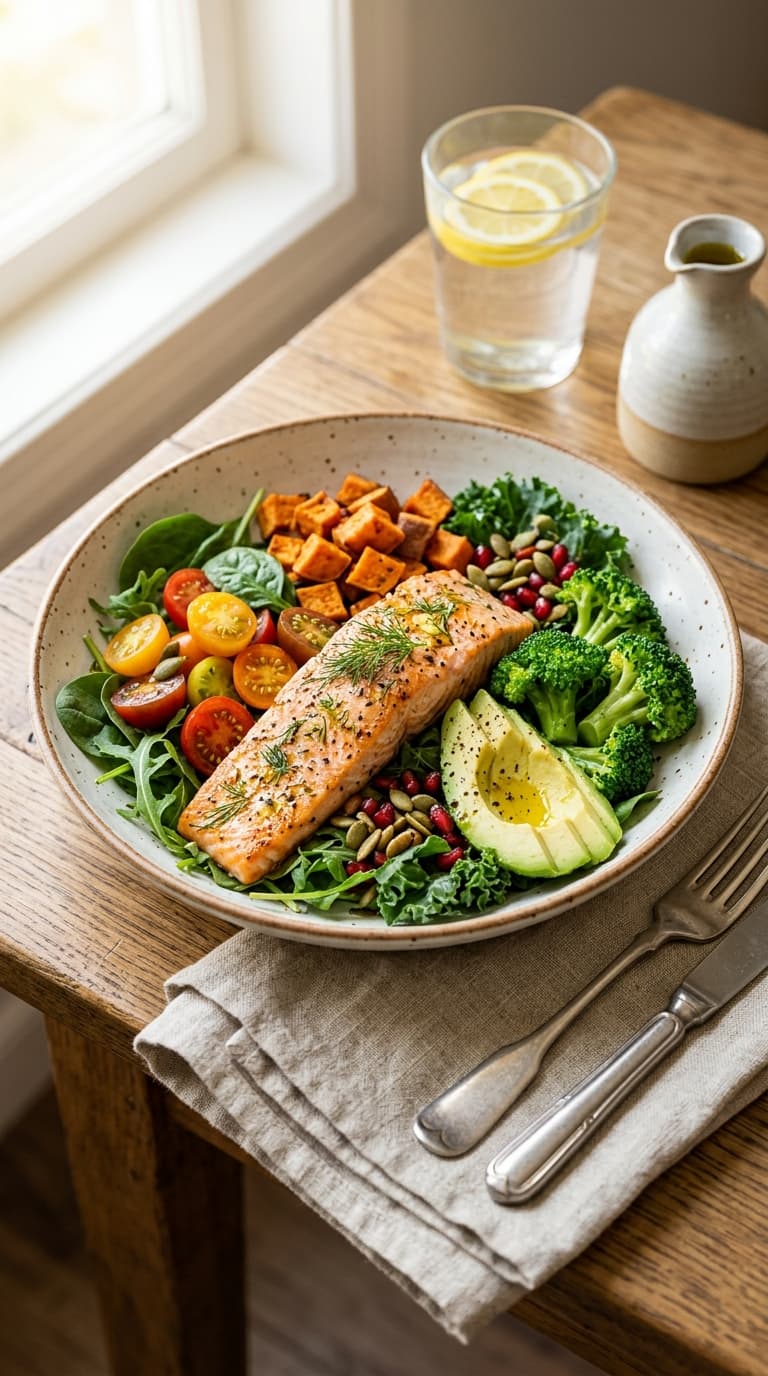
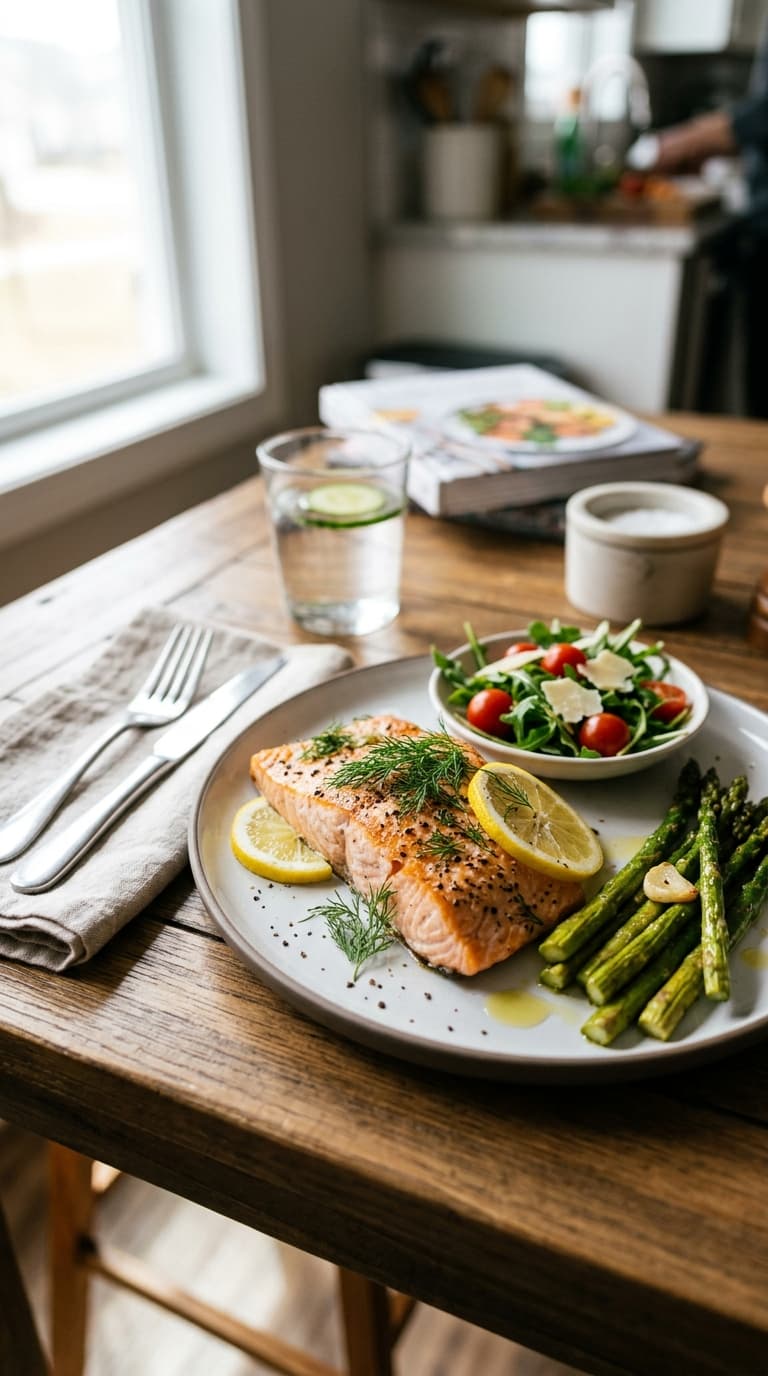
- Baked salmon with steamed green beans and brown rice
These low-calorie sheet pan meals are a weeknight lifesaver — you basically throw everything on one pan and walk away. Minimal effort, maximum flavor.
Week 2: Building Momentum (Days 8–14)
By week two, you’ve got the hang of the basics. Now it’s time to get a little more adventurous and add more variety so things don’t get boring. Boredom is the enemy of any meal plan — let’s not pretend otherwise.
Breakfast Ideas for Week 2
- Smoothie bowls with frozen mango, spinach, banana, and toppings like granola and coconut flakes
- Whole grain avocado toast with a poached egg and chili flakes
- Cottage cheese bowls with sliced peaches and a sprinkle of cinnamon
Smoothies are honestly one of the best ways to pack in nutrients without a lot of effort. These low-calorie smoothies under 250 calories prove that healthy doesn’t have to mean boring — or flavorless.
Lunch Ideas for Week 2
This is a great week to experiment with salads that actually keep you full. (Not the sad iceberg-lettuce-with-three-tomatoes situation. Real salads.)
- Mediterranean chickpea salad with cucumber, olives, feta, and lemon dressing
- Quinoa and roasted vegetable bowls with a punchy balsamic glaze
- Turkey and white bean soup with a side of whole grain crackers
These low-calorie salads that actually keep you full are genuinely satisfying — not just a side dish pretending to be a meal.
Dinner Ideas for Week 2
Week two is a good time to try a few plant-based dinners if you haven’t already. They’re cheaper, lighter, and honestly way more flavorful than most people expect.
- Lentil and vegetable curry served over brown rice
- Zucchini noodles with homemade tomato sauce and ground turkey
- Stuffed bell peppers with quinoa, black beans, corn, and spices
If you love pasta nights but want to keep things light, these low-calorie pasta dishes are seriously good — and totally guilt-free.
Snacking the Whole Foods Way
Snacks can make or break a healthy eating plan. If you reach for chips every afternoon, you’re not doing anything wrong — you’re just human. The trick is having better options within arm’s reach.
Whole foods snack ideas:
- Apple slices with almond butter
- Hummus with sliced bell peppers and cucumber
- Hard-boiled eggs sprinkled with everything bagel seasoning
- A small handful of mixed nuts and dried fruit
- Plain Greek yogurt with a drizzle of honey
These low-calorie snacks that satisfy cravings fast are perfect to keep handy for those 3pm moments when hunger hits hard. And for something a little salty? These low-calorie salty snacks hit the spot without derailing your day.
Week 3: Making It Stick (Days 15–21)
Week three is where the magic happens. Most people notice real changes by now — better sleep, steadier energy, fewer cravings. This is also where you want to start thinking about how to keep this going after day 21.
Breakfast Ideas for Week 3
- Savory oatmeal with sautéed mushrooms, spinach, and a fried egg on top
- Chia seed pudding made with almond milk, topped with kiwi and berries
- Whole grain banana pancakes made with just oats, eggs, and banana
Honestly, these clean eating breakfast ideas prove that eating for your health doesn’t mean choking down food you hate.
Lunch Ideas for Week 3
By week three, you’ve hopefully gotten comfortable with batch cooking. Spending one hour on Sunday prepping your lunches saves you from about five days of bad decisions.
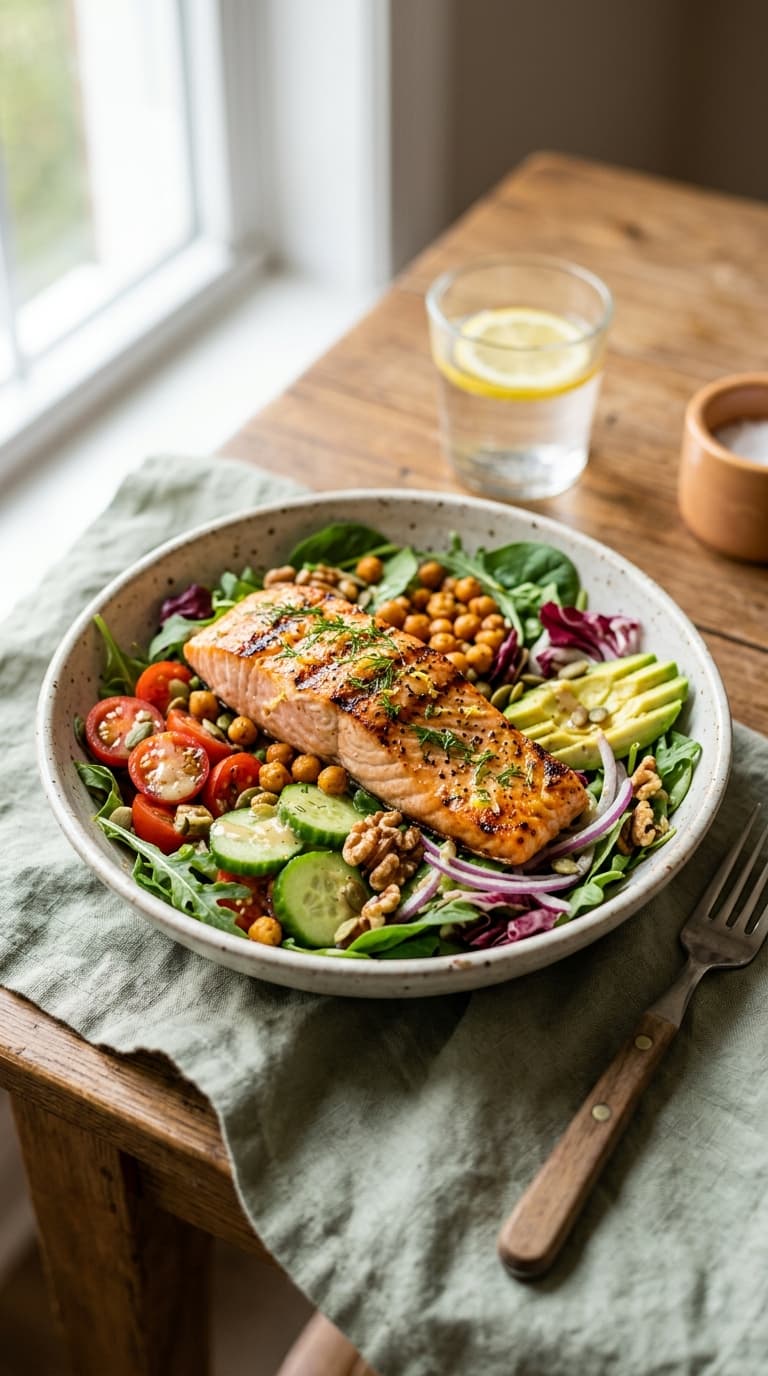
- Buddha bowls with roasted chickpeas, greens, avocado, and tahini
- Chicken and vegetable stir-fry served over brown rice
- White bean and kale soup with a slice of whole grain sourdough
These low-calorie high-volume meals are genuinely filling — big portions, smart ingredients, and zero deprivation energy.
Dinner Ideas for Week 3
Close out the 21 days with some of the most satisfying meals in the plan. You’ve earned it.
- Herb-roasted chicken thighs with roasted root vegetables and a fresh green salad
- Shrimp and vegetable stir-fry with brown rice noodles and ginger soy sauce
- Veggie-packed turkey meatballs with marinara over spaghetti squash
These low-calorie chicken recipes are the kind you’ll keep making long after this plan ends — simple, flavorful, and endlessly repeatable.
Meal Prepping for the Whole Plan
IMO, meal prep is the single most important tool in a whole foods plan. Without it, you’re relying on willpower alone — and willpower has a way of disappearing exactly when you need it most.
Simple meal prep strategy:
- Pick a prep day — Sunday works for most people, but any day you have 1–2 hours works
- Batch cook grains — cook a big pot of brown rice or quinoa to use all week
- Roast a big tray of vegetables — they go into bowls, wraps, and soups all week
- Prep your proteins — bake chicken, hard-boil eggs, or cook a pot of lentils
- Wash and cut fruit and veggies — so snacking is as easy as opening the fridge
These low-calorie meal prep ideas for busy weekdays break it down even further if you want a more detailed prep system. And if budget matters — which, let’s be honest, it always does — these cheap low-calorie meals for meal prep prove that eating clean doesn’t have to cost a fortune.
What About Drinks?
Nobody talks about drinks enough in meal plans, and then people wonder why they feel sluggish even though they’re eating well. What you drink matters just as much as what you eat.
Stick to water as your primary drink — aim for at least 8 glasses a day. Herbal teas, black coffee, and sparkling water are all fair game. These low-calorie drinks that support weight loss give you plenty of options beyond plain water if you get bored.
Skip sugary juices, sodas, and fancy coffee drinks loaded with syrups. They’re basically dessert in a cup — which is fine occasionally, but not as a daily habit.
Dealing With Cravings and Hard Days
Can we be real for a second? Some days are going to feel hard. You’ll want pizza. You’ll have a stressful afternoon and suddenly the entire snack aisle at the grocery store will be calling your name. This doesn’t mean you’ve failed — it means you’re a person.
Tips for handling cravings:
- Drink a full glass of water first — sometimes hunger is actually just thirst :/
- Keep whole foods snacks visible and easy to grab
- Allow yourself flexibility — a square of dark chocolate is not going to ruin your entire plan
- Focus on adding good foods rather than obsessing over restricting bad ones
The goal is progress, not perfection. One off meal doesn’t undo three weeks of good choices.
What Happens After Day 21?
Here’s the part most meal plans forget to mention — what do you actually do when it’s over? The whole point of a 21-day reset is to build new habits, not just white-knuckle it for three weeks and then go back to your old patterns.
By day 21, most people feel significantly better and don’t actually want to go back. Use the structure from these three weeks as your new baseline. Keep meal prepping. Keep stocking your kitchen with whole foods. Add new recipes as you find ones you love.
If you want to keep working toward weight loss or a calorie deficit alongside your whole foods eating, check out how to lose weight on 1200–1500 calories without starving — it pairs really well with everything in this plan.
Final Thoughts
Twenty-one days of whole foods eating isn’t about being restrictive or obsessing over every ingredient. It’s about crowding out the stuff that doesn’t serve you and replacing it with food that actually makes you feel alive. And honestly? Once you start feeling the difference, you won’t want to go back.
Start simple, prep ahead, give yourself grace on the hard days, and keep going. You’ve got this. Now go make something delicious.