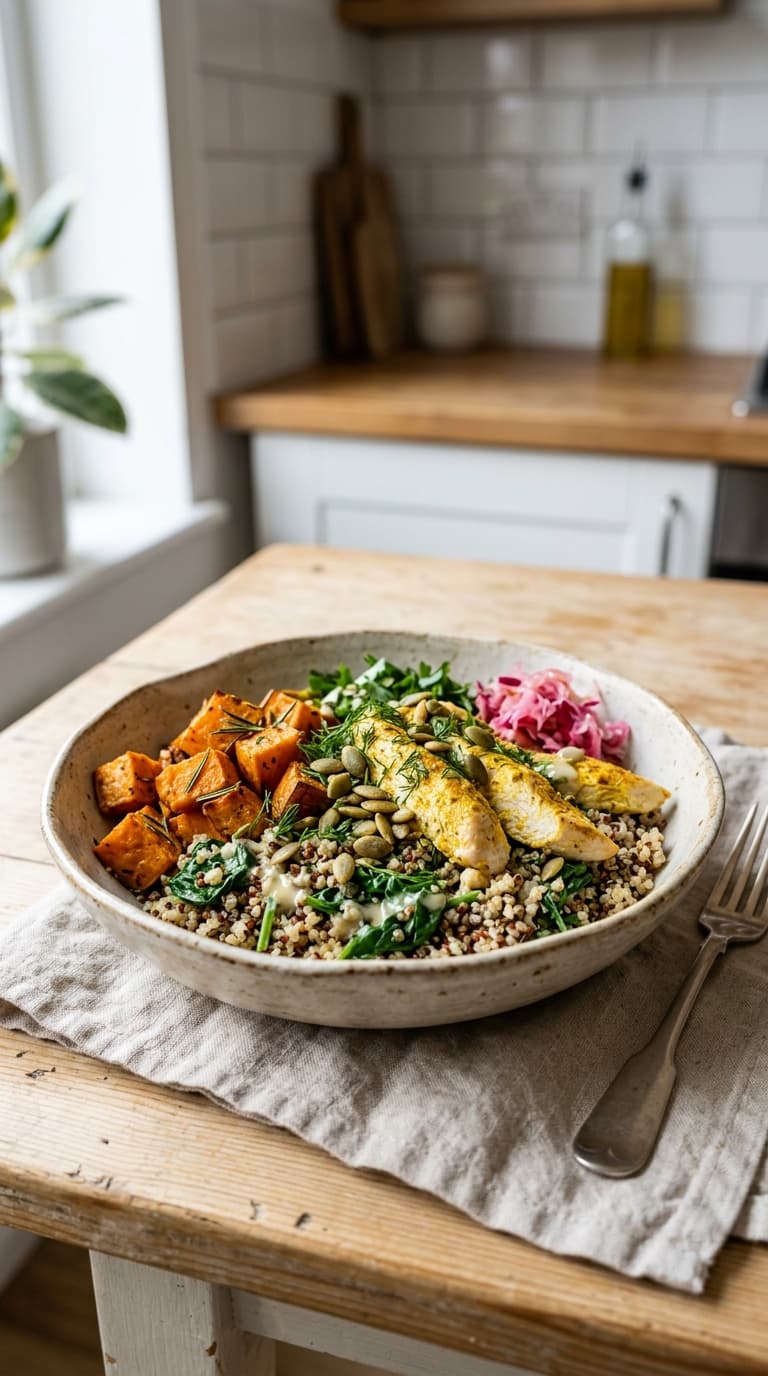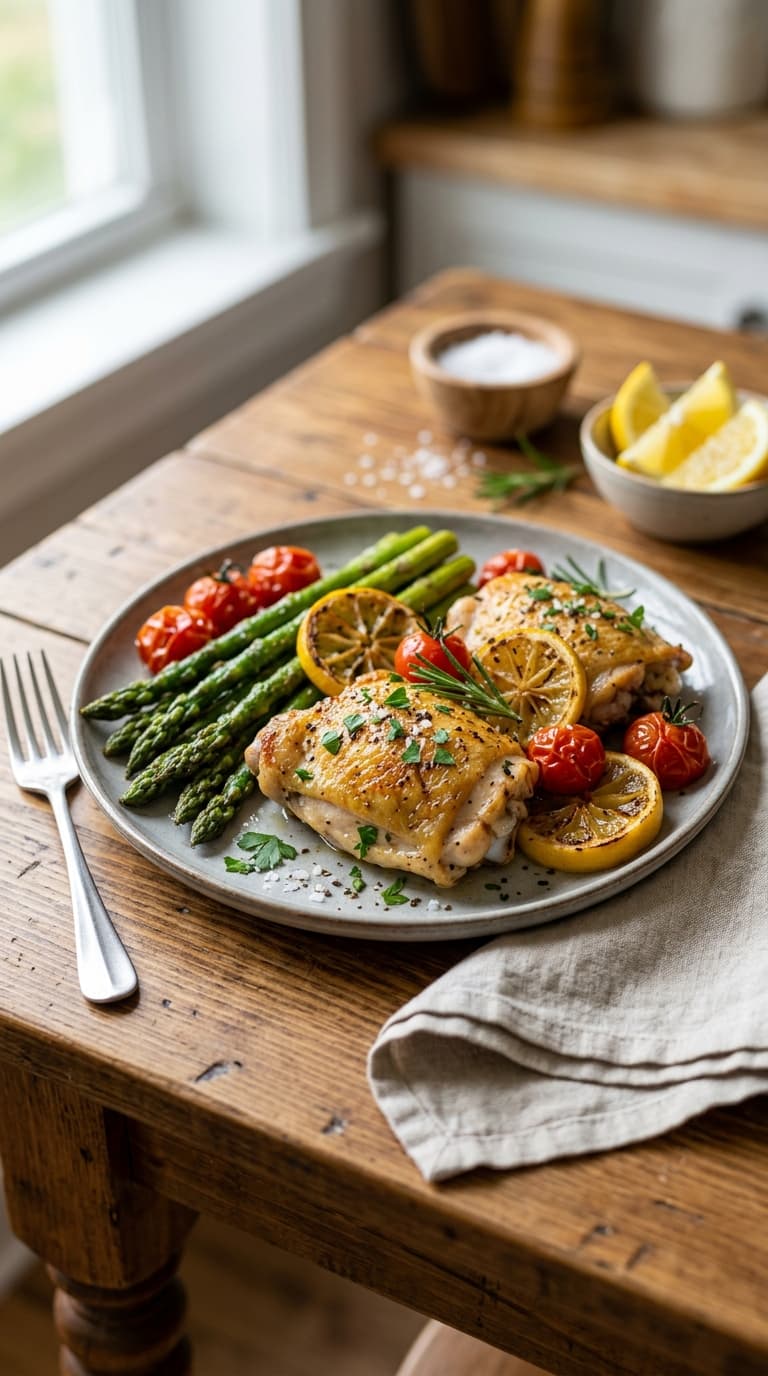
14-Day Menopause Meal Plan To Reduce Symptoms For Women
14-Day Menopause Meal Plan To Reduce Symptoms For Women
Let’s be real — menopause is no walk in the park. Hot flashes at 2 AM, mood swings that could rival a teenager, and a metabolism that suddenly decided to take early retirement. Sound familiar? If you’re nodding your head right now, you’re in the right place.
Here’s something most people don’t tell you: what you eat during menopause can make or break how you feel every single day. I’m not talking about some miracle diet. I’m talking about a practical, real-food approach that actually helps manage symptoms — because you deserve more than just “wait it out” advice.
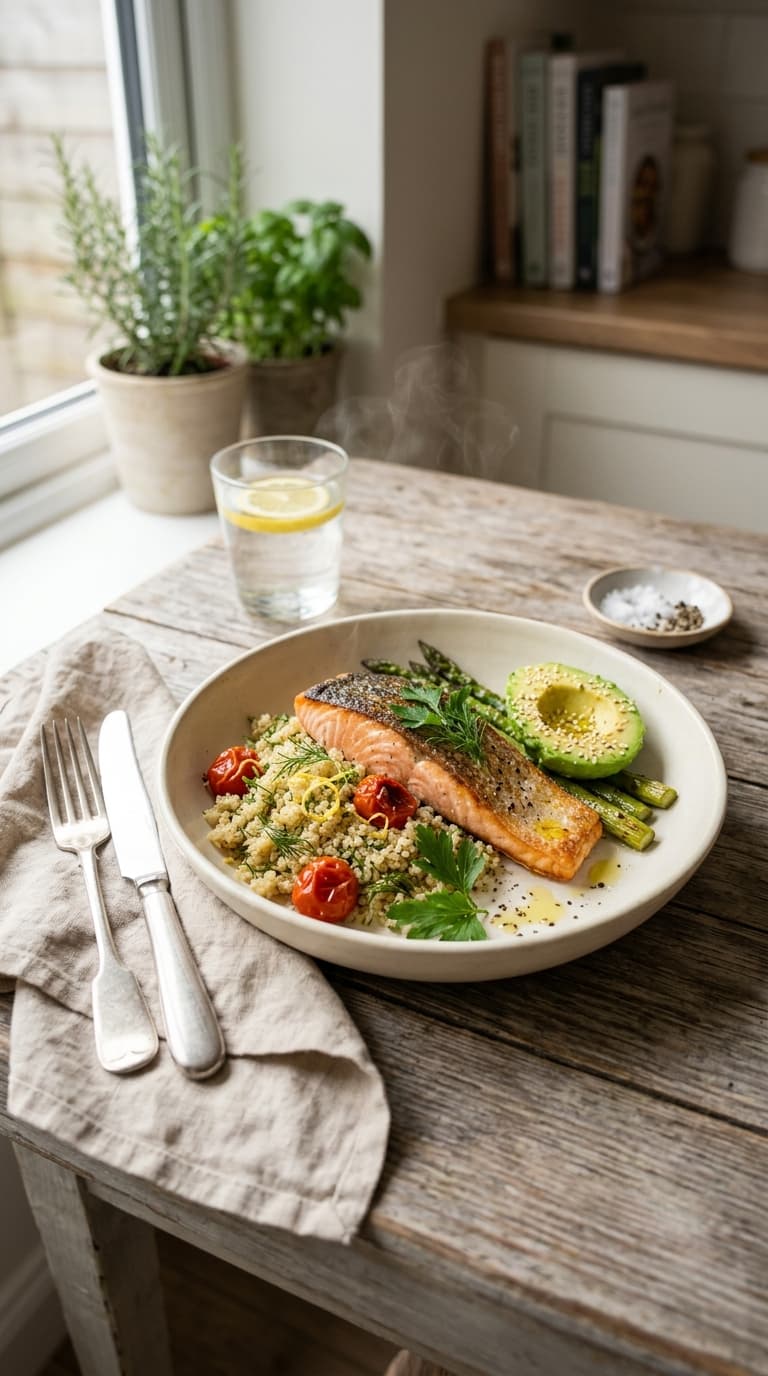
This 14-day menopause meal plan focuses on foods that support hormone balance, reduce inflammation, and keep your energy stable. Let’s get into it.
Why Food Actually Matters During Menopause
Before we jump into the plan, let’s talk about why nutrition is such a big deal here. When estrogen levels drop, your body goes through a cascade of changes — bone density shifts, heart health becomes more vulnerable, and your gut microbiome even takes a hit. Fun, right? :/
The right foods can:
- Help stabilize blood sugar and reduce mood swings
- Support bone health with calcium and vitamin D
- Reduce inflammation that triggers hot flashes
- Improve sleep quality through better gut health
- Keep your weight more manageable when your metabolism slows
IMO, focusing on food is one of the most empowering things you can do right now — because it’s something you can actually control.
The Key Nutrients You Need Right Now
Phytoestrogens
These are plant-based compounds that mimic estrogen in the body — gently and naturally. Think soy, flaxseeds, chickpeas, and lentils. They won’t replace your hormones, but they can take the edge off symptoms.
Calcium and Vitamin D
Your bones are quietly going through a lot during menopause. Without enough estrogen, bone density drops faster than you’d like. Load up on dairy, fortified plant milks, leafy greens, and fatty fish to protect them.
Omega-3 Fatty Acids
Salmon, sardines, walnuts, and chia seeds are your best friends here. Omega-3s fight inflammation, which is directly linked to the intensity of hot flashes and joint pain.
Magnesium
This mineral is a sleep and mood superstar. Low magnesium is surprisingly common, especially in women over 40. Dark chocolate, pumpkin seeds, spinach, and black beans are all great sources — yes, dark chocolate made the list. You’re welcome.
Fiber
Gut health affects estrogen metabolism more than most people realize. High-fiber foods like oats, beans, and vegetables keep your digestion moving and help your body process hormones properly.
Foods to Avoid (Or At Least Limit)
Here’s where I have to be the bearer of mildly annoying news. Some foods genuinely make menopause symptoms worse.
Try to limit:
- Alcohol — it’s a hot flash trigger and disrupts sleep
- Caffeine — same deal, especially in the afternoon
- Spicy foods — they can spike body temperature
- Refined sugar — blood sugar crashes worsen mood swings and fatigue
- Processed foods high in sodium — they worsen bloating and blood pressure
This doesn’t mean you can never enjoy these things. It just means being strategic about when and how often you indulge.
The 14-Day Menopause Meal Plan
Now for the good stuff. This plan focuses on whole foods, balanced macros, and symptoms-specific nutrients. Each day is designed to be realistic — not a chef’s tasting menu that requires three hours in the kitchen.
If you want to make your life even easier, pair this plan with budget-friendly meal prep ideas to batch-cook your way through the week without losing your mind.
Week 1
Day 1
- Breakfast: Greek yogurt with flaxseeds, blueberries, and a drizzle of honey
- Lunch: Lentil soup with crusty whole-grain bread
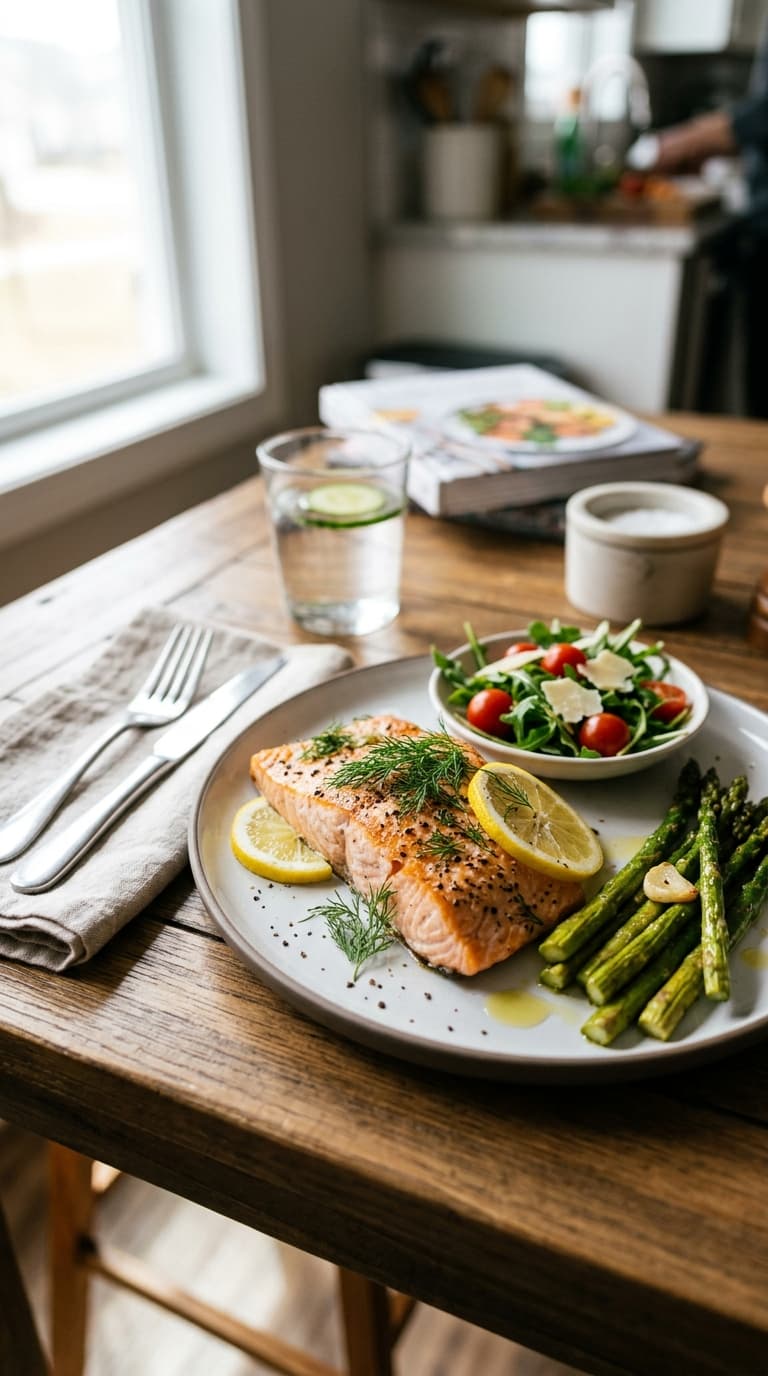
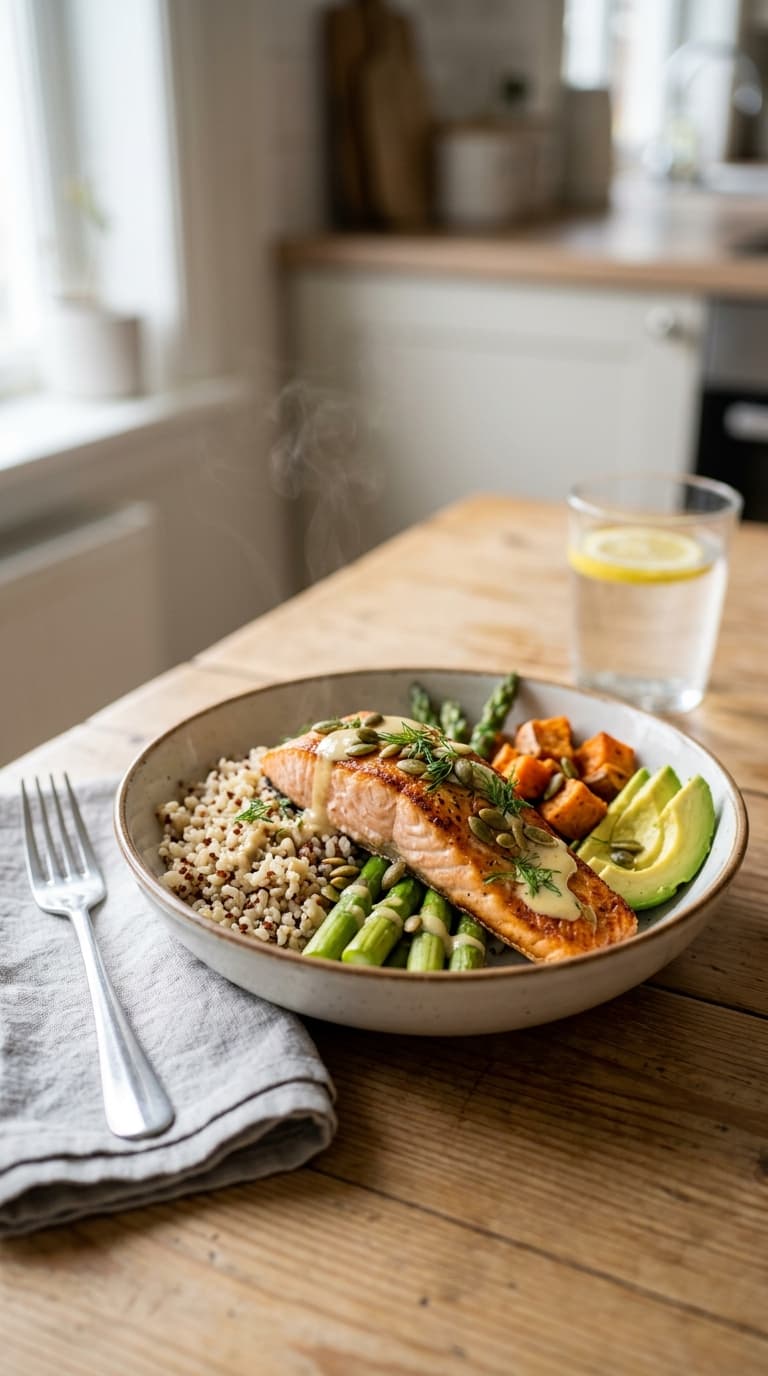
- Dinner: Baked salmon with roasted sweet potato and steamed broccoli
- Snack: A small handful of walnuts and an apple
Day 2
- Breakfast: Overnight oats with chia seeds, banana, and almond butter
- Lunch: Quinoa salad with chickpeas, cucumber, tomato, and lemon-tahini dressing
- Dinner: Stir-fried tofu with bok choy and brown rice
- Snack: Hummus with carrot and celery sticks
Day 3
- Breakfast: Scrambled eggs with spinach and whole-grain toast
- Lunch: Grilled chicken wrap with avocado, lettuce, and whole-wheat tortilla
- Dinner: Black bean and vegetable chili with a side of brown rice
- Snack: A small square of dark chocolate and a handful of pumpkin seeds
Day 4
- Breakfast: Smoothie with unsweetened soy milk, frozen mango, spinach, and flaxseeds
- Lunch: Sardine and avocado toast on rye bread
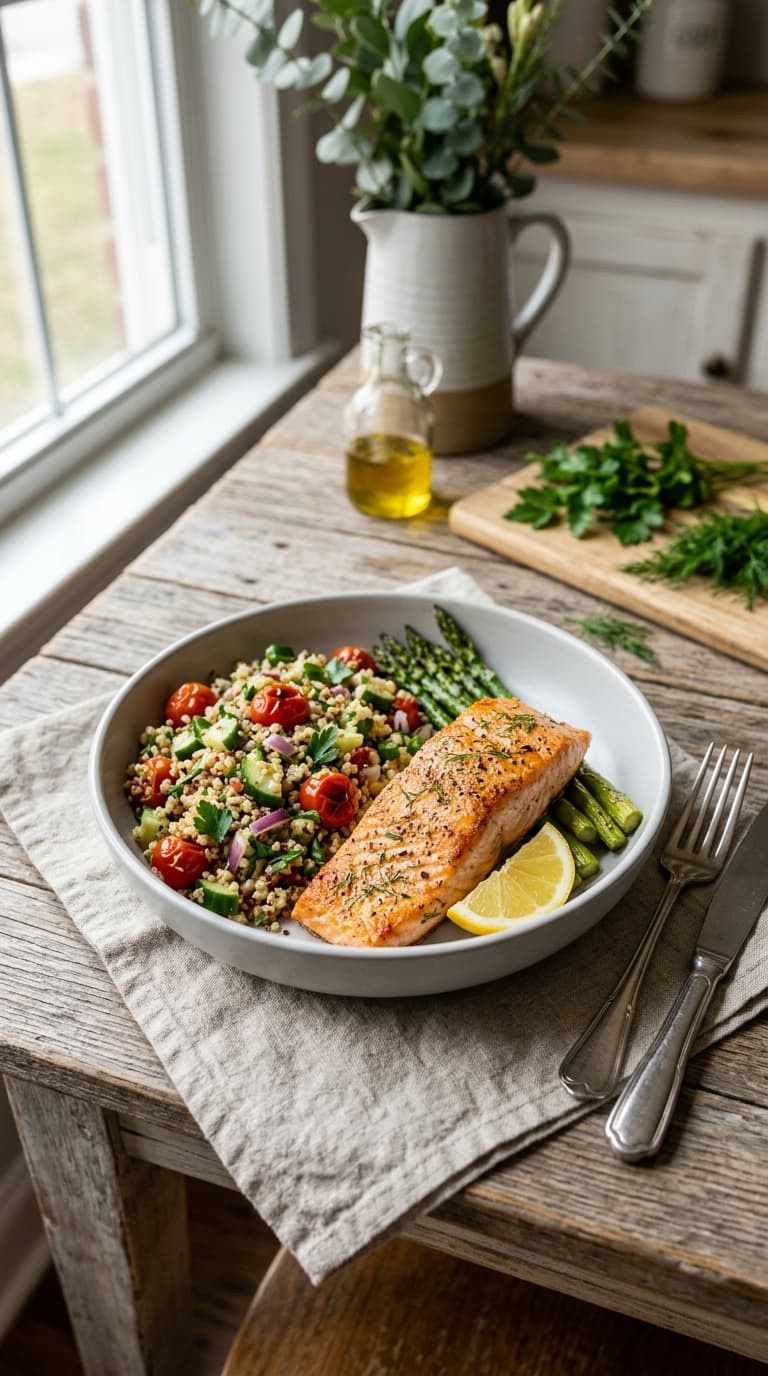
- Dinner: Baked cod with roasted asparagus and quinoa
- Snack: Plain Greek yogurt with a sprinkle of cinnamon
Day 5
- Breakfast: Oatmeal with sliced almonds, raspberries, and a tablespoon of ground flaxseed
- Lunch: Tomato and white bean soup with whole-grain crackers
- Dinner: Turkey meatballs with zucchini noodles and marinara sauce
- Snack: Edamame with a pinch of sea salt
Day 6
- Breakfast: Two-egg veggie omelette with mushrooms, onion, and bell pepper
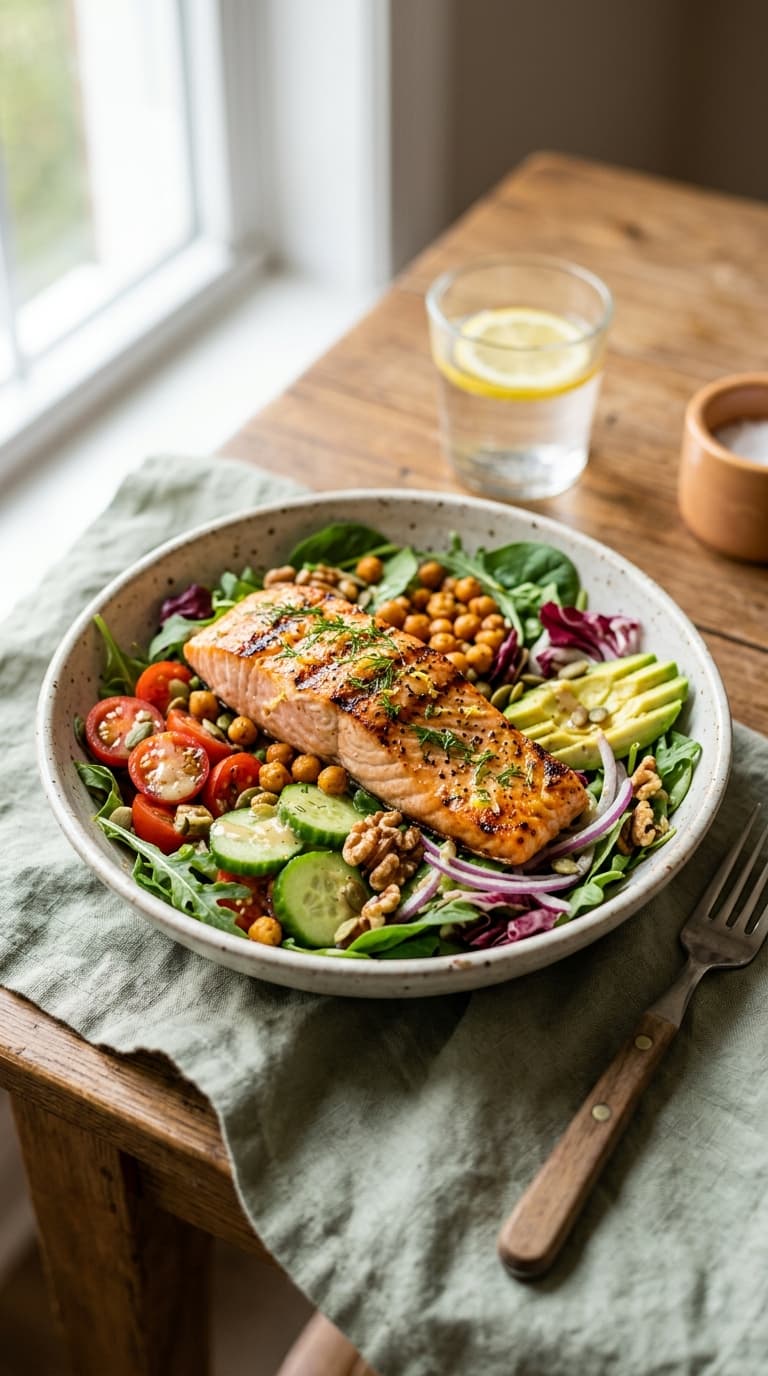
- Lunch: Large salad with mixed greens, grilled salmon, walnuts, and balsamic vinaigrette
- Dinner: Lentil and vegetable curry with cauliflower rice
- Snack: Sliced apple with almond butter
Day 7
- Breakfast: Whole-grain pancakes topped with fresh berries and a dollop of Greek yogurt
- Lunch: Roasted vegetable and hummus grain bowl
- Dinner: Herb-roasted chicken thighs with roasted Brussels sprouts and mashed sweet potato
- Snack: A small handful of mixed seeds
Week 2
By week two, your body should start feeling a little more balanced. Consistency is the real magic here — you’re not going to feel completely different after three days, but two solid weeks? You’ll notice the difference.
Day 8
- Breakfast: Chia seed pudding made with soy milk, topped with kiwi and pumpkin seeds
- Lunch: Edamame and brown rice bowl with sesame dressing
- Dinner: Grilled mackerel with roasted root vegetables and a green salad
- Snack: Handful of walnuts and a small orange
Day 9
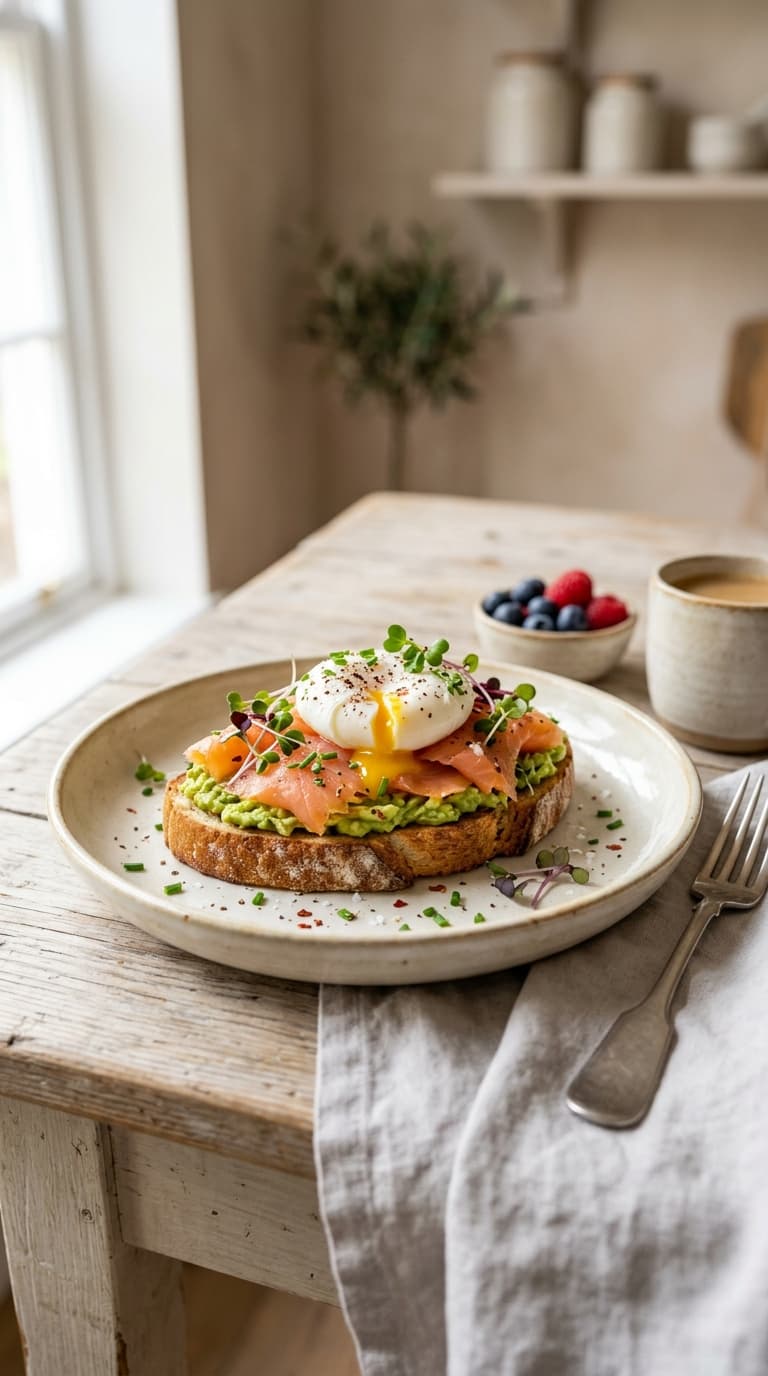
- Breakfast: Whole-grain toast with mashed avocado, poached eggs, and chili flakes (light on the chili if hot flashes are an issue)
- Lunch: Chickpea and spinach stew
- Dinner: Baked chicken breast with roasted broccoli, cherry tomatoes, and quinoa
- Snack: Low-fat cottage cheese with cucumber slices
Day 10
- Breakfast: Berry and spinach smoothie with unsweetened almond milk and protein powder
- Lunch: Tuna salad stuffed in a whole-grain pitta with mixed greens
- Dinner: Vegetable and tofu stir-fry with soba noodles
- Snack: A small handful of almonds and dried apricots
Day 11
- Breakfast: Oatmeal with banana, a tablespoon of almond butter, and a sprinkle of flaxseed
- Lunch: Lentil and roasted red pepper soup
- Dinner: Salmon patties with a large green salad and olive oil dressing
- Snack: Greek yogurt with a drizzle of honey
Day 12
- Breakfast: Egg muffins with feta, spinach, and sun-dried tomatoes
- Lunch: Quinoa and black bean burrito bowl with salsa and avocado
- Dinner: Slow-cooker chicken and vegetable soup
- Snack: Celery with peanut butter
Day 13
- Breakfast: Overnight oats with mango, coconut flakes, and chia seeds
- Lunch: Mediterranean-style plate — hummus, falafel, tabbouleh, and whole-grain pitta
- Dinner: Baked trout with steamed green beans and wild rice
- Snack: A small handful of mixed nuts and a piece of dark chocolate
Day 14
- Breakfast: Whole-grain waffles with fresh strawberries and a spoonful of Greek yogurt
- Lunch: Large kale salad with roasted chickpeas, sliced almonds, and lemon vinaigrette
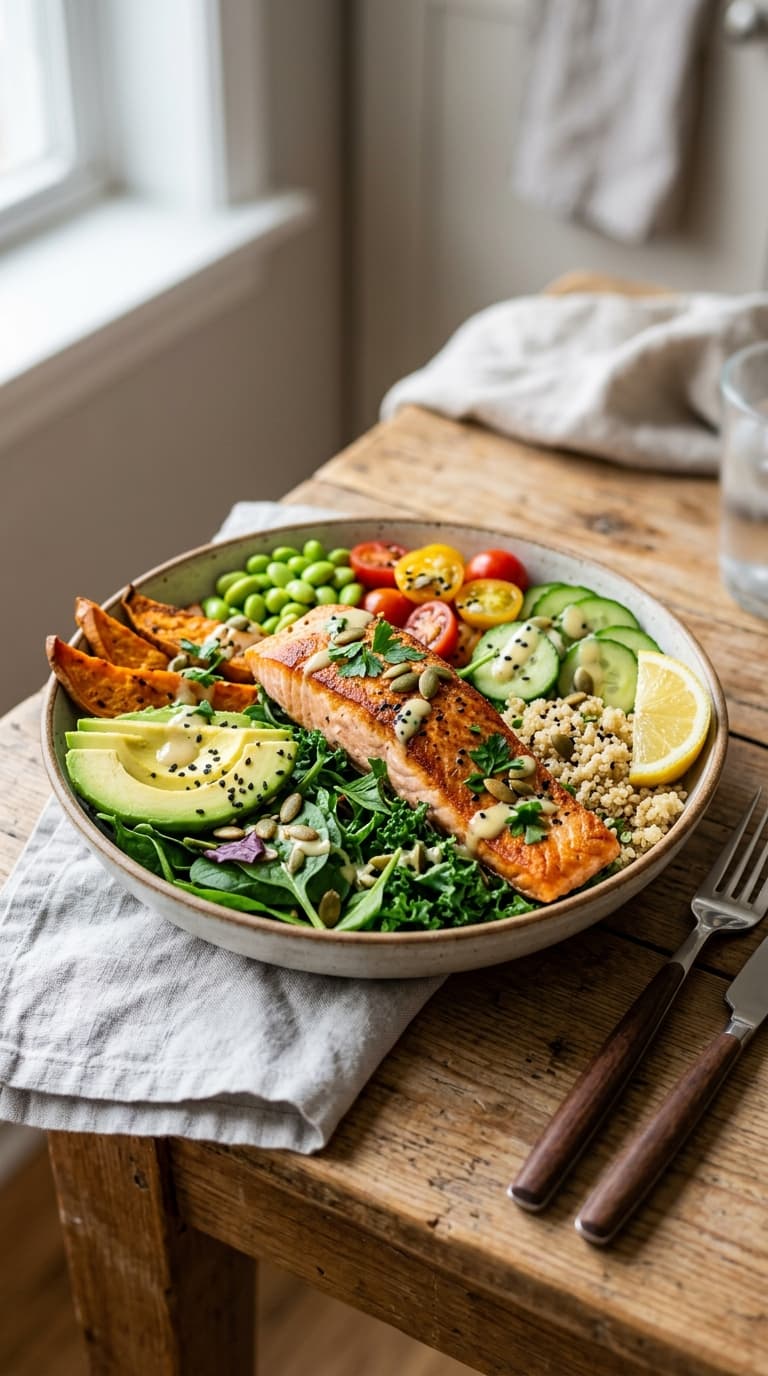
- Dinner: Herb-crusted baked salmon with roasted sweet potato wedges and steamed broccoli
- Snack: Pumpkin seeds and a small apple
Smart Meal Prep Tips To Make This Easier
Ever stare at the fridge at 6 PM, completely exhausted, and just… give up and order pizza? Yeah, same. That’s exactly why meal prepping is your best defense against a week of chaotic eating.
Here are a few things that genuinely help:
- Batch-cook grains on Sunday — cook a big pot of quinoa or brown rice and use it all week
- Pre-chop vegetables and store them in containers so they’re ready to toss into anything
- Make double portions at dinner so you have lunch sorted for the next day
- Keep healthy snacks visible and accessible — if the walnuts are buried behind the chips, you already know what’s happening
For more ideas, check out these high-protein, low-calorie meals that actually keep you full — many of them slot perfectly into this plan.
Hydration and Menopause — Don’t Overlook This
Water intake is massively underrated when it comes to managing menopause symptoms. Hot flashes cause you to lose more fluid, and dehydration can worsen fatigue, brain fog, and mood. Aim for at least 8–10 glasses of water daily.
If plain water feels boring (and let’s be honest, sometimes it does), herbal teas like peppermint, chamomile, and red clover are great options. They’re hydrating and some have mild phytoestrogenic benefits too. FYI — just skip the sugary flavored drinks that claim to be healthy but are basically candy in a bottle.
You might also enjoy browsing these low-calorie drinks that support weight loss for more hydration ideas that don’t feel like a punishment.
Managing Cravings During Menopause
Hormonal shifts can seriously mess with your cravings. One minute you’re fine, the next you need chocolate like it’s oxygen. Sound dramatic? It’s not — this is a real physiological response.
The key is to plan for cravings rather than fight them. Stock your kitchen with satisfying, nutrient-dense options so that when cravings hit, you reach for something that doesn’t derail everything. These low-calorie sweet snacks under 120 calories are genuinely perfect for this exact situation.
For savory cravings, these low-calorie salty snacks to keep you full are worth bookmarking right now.
Breakfast Matters More Than You Think
Skipping breakfast during menopause is like starting a long road trip with an almost-empty tank. Blood sugar drops, cortisol spikes, and your mood pays the price before 10 AM.
A balanced breakfast should include protein, healthy fat, and fiber. This combination keeps blood sugar stable and reduces the mid-morning energy crash that leads to bad snacking decisions. If you need inspiration, there are some fantastic low-calorie breakfasts to help you hit your deficit every day that work perfectly with this meal plan.
Dinner Done Right
Evening meals matter a lot for sleep quality — and poor sleep is one of the biggest menopause complaints. Avoid heavy, rich meals close to bedtime. Focus on lean proteins, vegetables, and complex carbs that digest well without disrupting your sleep.
The dinners in this plan are specifically chosen to be satisfying without being heavy. If you want to branch out beyond the 14 days, these high-protein low-calorie meals for weight loss give you plenty of options that fit the same nutritional framework.
A Note On Weight Changes During Menopause
Weight gain around the midsection during menopause is incredibly common and incredibly frustrating — mostly because it seems to happen regardless of what you do. This is driven by hormonal changes, not just calories. That said, what you eat absolutely influences how significant this shift is.
The foods in this plan — especially those high in fiber and protein — help regulate appetite hormones and reduce inflammation-driven fat storage. If you’re also watching your calorie intake, this guide on how to lose weight on 1,200–1,500 calories without starving is a really practical companion read.
Wrapping It All Up
Menopause is a transition, not a life sentence. The way you eat during this time genuinely shifts how you experience symptoms — from the intensity of hot flashes to how well you sleep to how balanced your mood feels day to day.
This 14-day plan isn’t about perfection. It’s about giving your body the nutrients it’s actually asking for right now. Start where you are, adjust as you go, and don’t stress if a day doesn’t go exactly to plan. Progress beats perfection every single time. 🙂
Your body is doing something remarkable — the least you can do is fuel it properly. Now go make that salmon. You’ve got this.