7-Day Anti-Inflammatory Meal Plan To Reduce Anxiety For Women
7-Day Anti-Inflammatory Meal Plan To Reduce Anxiety For Women
Let’s be real — anxiety is exhausting. The racing thoughts at 2 AM, the tight chest before a meeting, the feeling that your body is constantly bracing for something terrible. If you’ve been there (and honestly, who hasn’t?), you might be surprised to find out that what’s sitting on your plate has a lot more power over your mental state than you’ve been told. I started paying attention to the gut-brain connection a couple of years ago, and the difference it made was honestly kind of embarrassing — like, why didn’t anyone tell me sooner?
This 7-day anti-inflammatory meal plan isn’t about being perfect or eating sad lettuce forever. It’s a practical, real-life guide to nourishing your body with foods that calm inflammation — and by extension, calm you.
Why Inflammation and Anxiety Are Basically Best Friends (The Bad Kind)
Here’s something most people don’t connect: chronic inflammation in the body directly affects your brain chemistry. When your immune system stays in a constant low-grade “fight” mode, it messes with neurotransmitters like serotonin and dopamine — the very chemicals that keep anxiety in check.
Research increasingly links inflammatory diets (think processed foods, refined sugar, trans fats) to higher rates of anxiety and depression in women. Your gut produces about 90% of your body’s serotonin, so when your gut is inflamed, your mood takes the hit too. It’s basically a full-circle disaster.
The good news? You can fight back with food. Anti-inflammatory eating focuses on whole foods, healthy fats, antioxidants, and fiber — all of which support a calmer, more balanced nervous system.
The Anti-Inflammatory Grocery List You Actually Need
Before we get into the daily plan, let’s talk about your kitchen MVP list. Stock these up and you’re already halfway there:
- Fatty fish (salmon, sardines, mackerel) — rich in omega-3s that reduce neuroinflammation
- Leafy greens (spinach, kale, arugula) — packed with magnesium, a natural anxiety buffer
- Berries (blueberries, strawberries) — loaded with antioxidants that fight oxidative stress
- Turmeric and ginger — two of the most powerful natural anti-inflammatories out there
- Nuts and seeds (walnuts, flaxseeds, chia seeds) — great sources of omega-3s and zinc
- Legumes (lentils, chickpeas, black beans) — high in fiber and B vitamins for mood support
- Olive oil — your new best cooking fat, IMO 🙂
- Fermented foods (Greek yogurt, kefir, kimchi, sauerkraut) — support gut health directly
- Dark chocolate (70%+ cocoa) — yes, really. Flavonoids reduce cortisol levels
- Green tea — contains L-theanine, which promotes calm without making you sleepy
The 7-Day Anti-Inflammatory Meal Plan
Let’s get into it. Each day is designed to keep inflammation low, blood sugar stable, and your mood as steady as possible. And no, you won’t be cooking a Michelin-star meal every night — I promise.
Day 1: Reset and Rebuild
Breakfast: Chia seed pudding made with unsweetened almond milk, topped with blueberries and a drizzle of honey. Prep it the night before and your morning self will genuinely thank you.
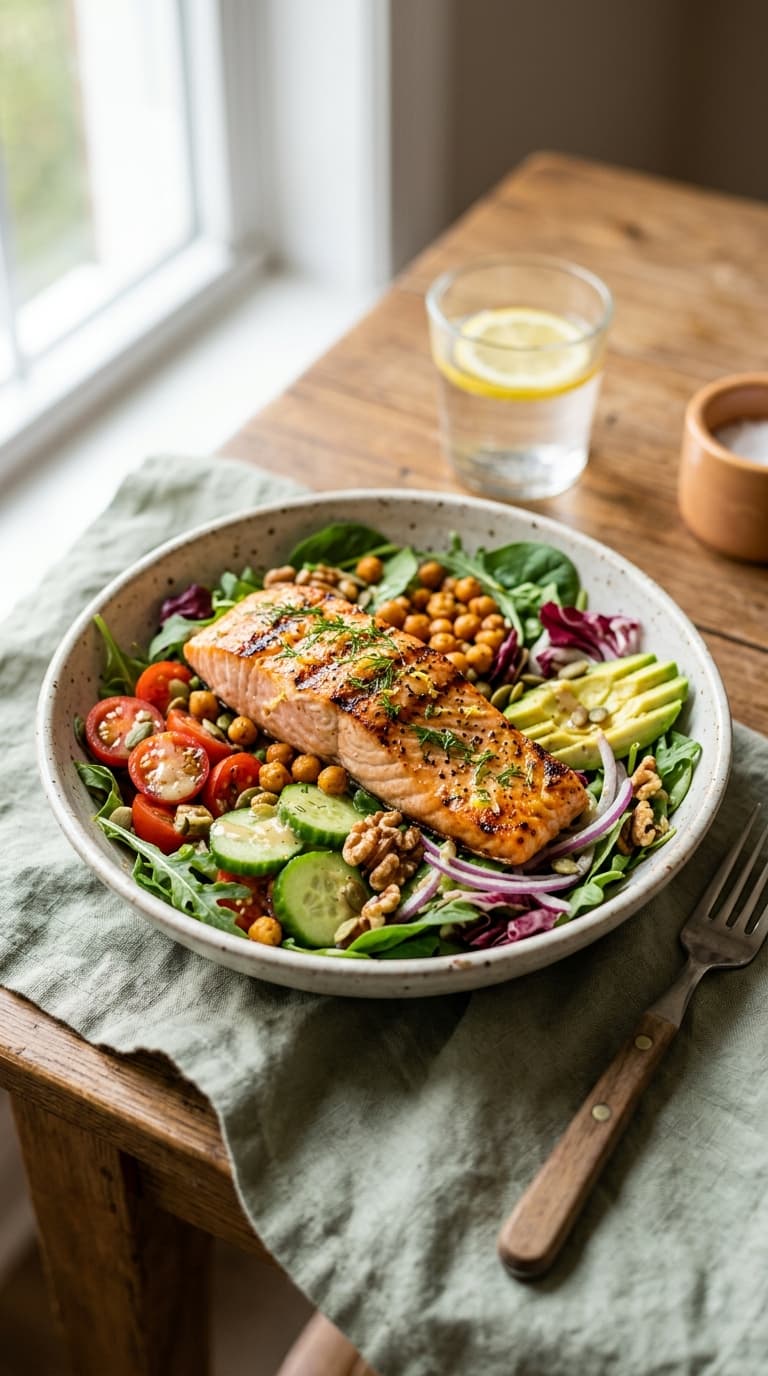
Lunch: Big spinach salad with canned wild salmon, cucumber, cherry tomatoes, avocado, and a lemon-olive oil dressing. Simple, filling, and wildly good for you.
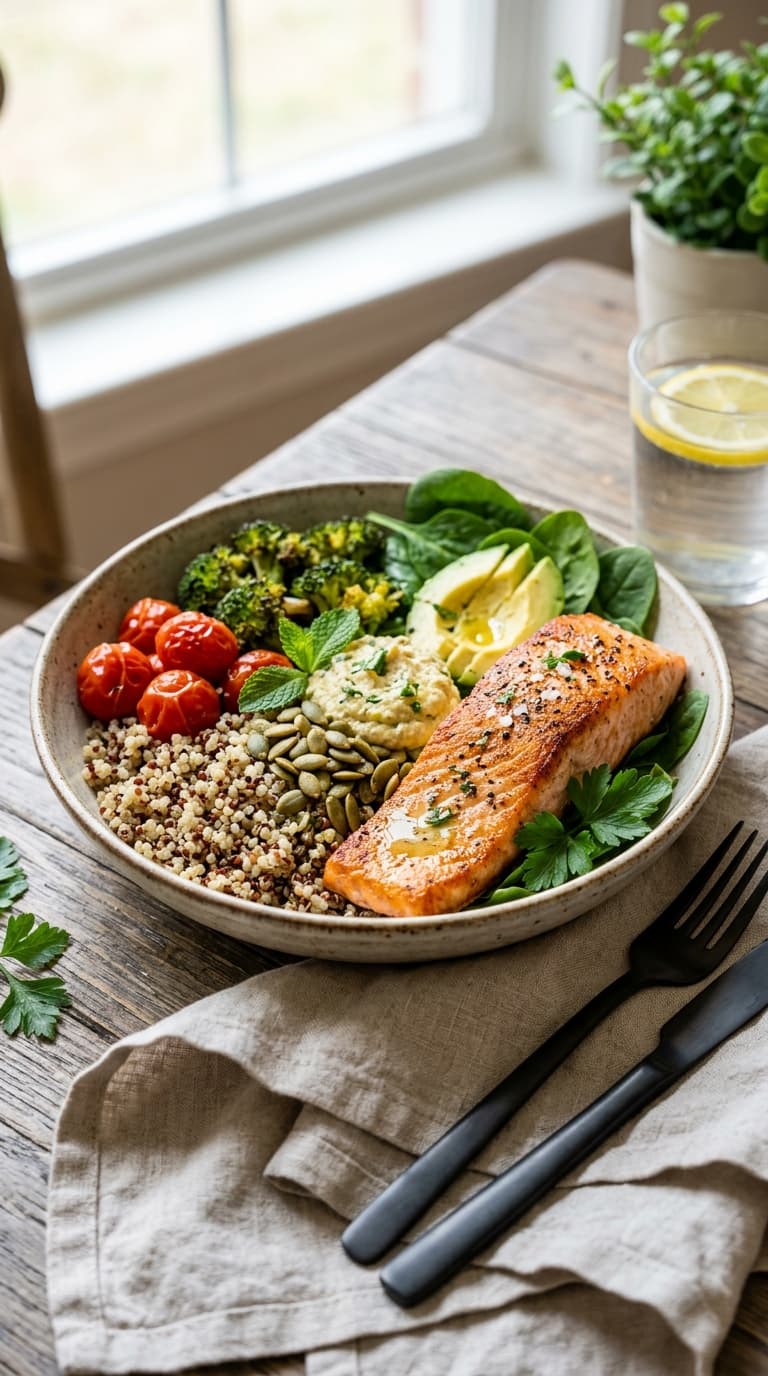
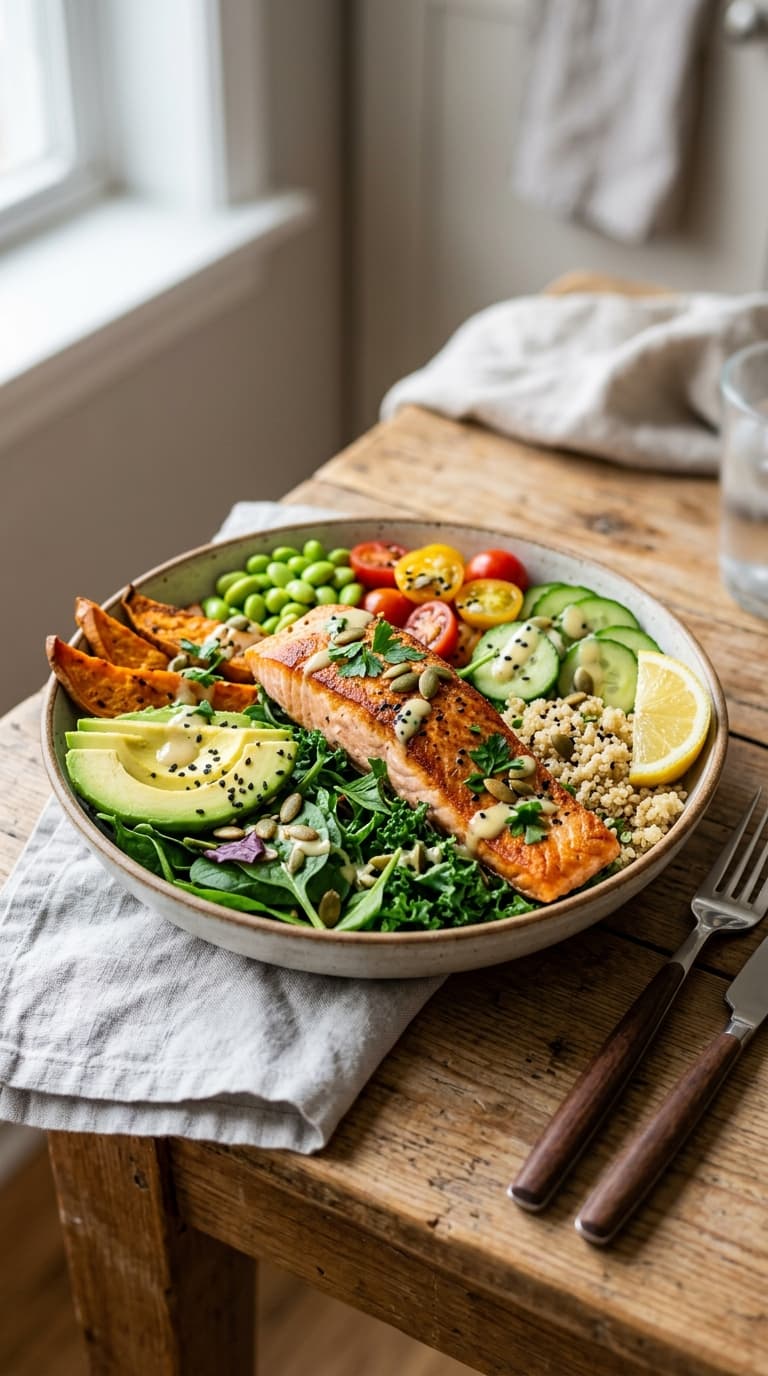
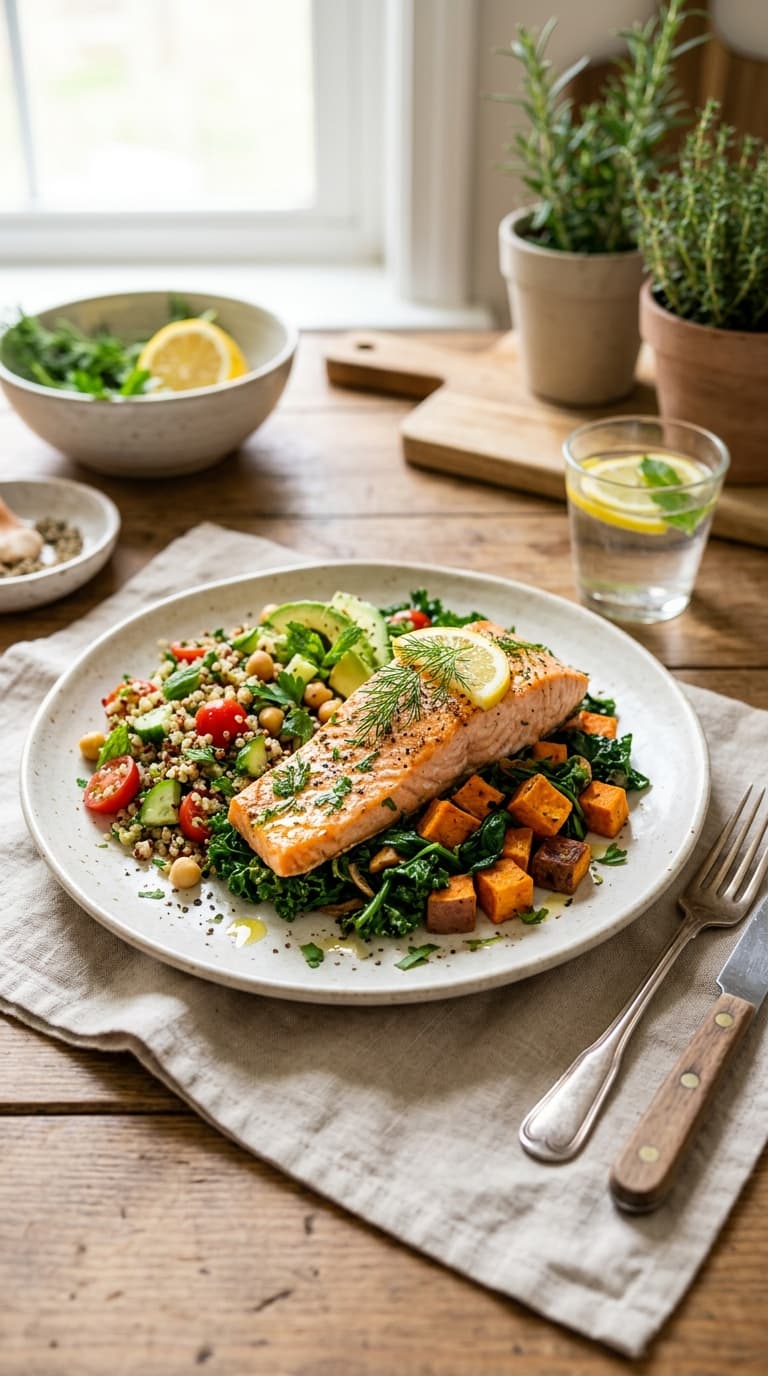
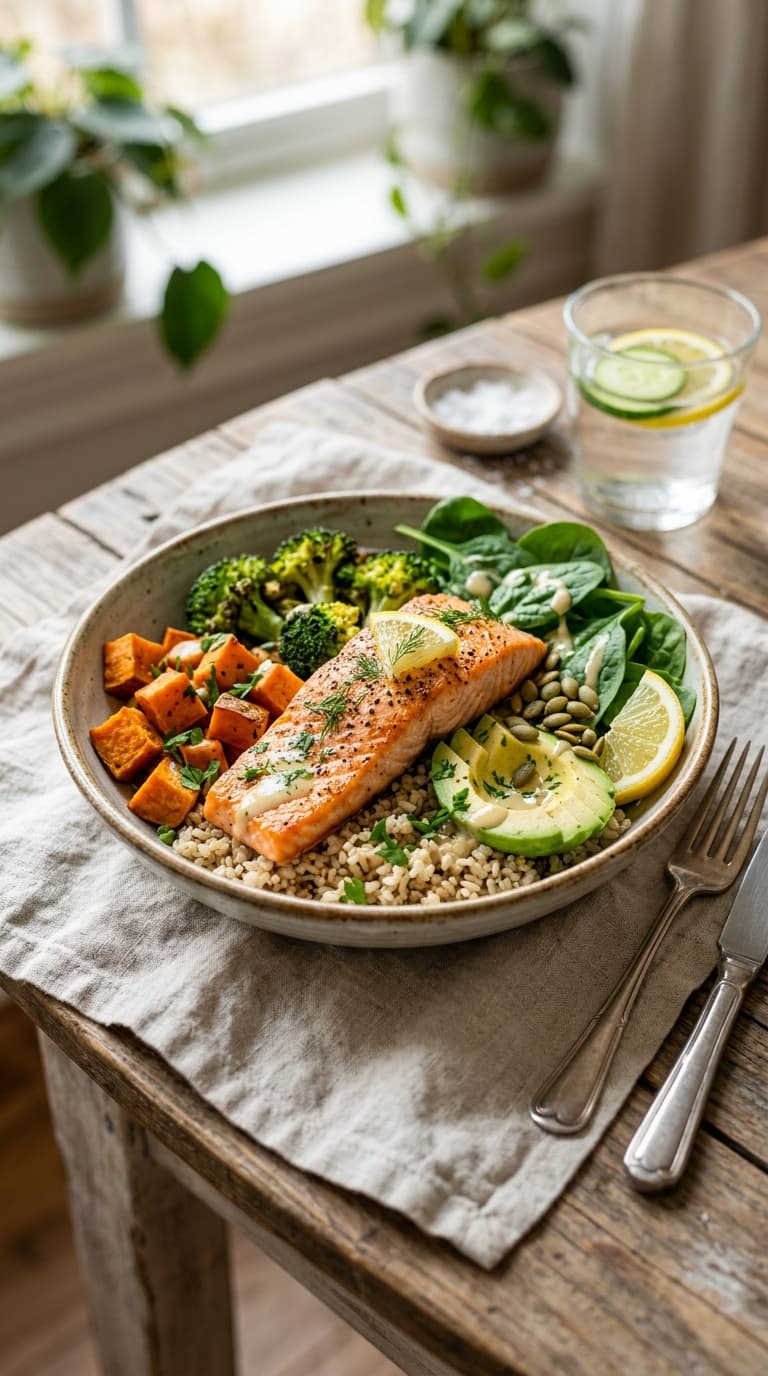
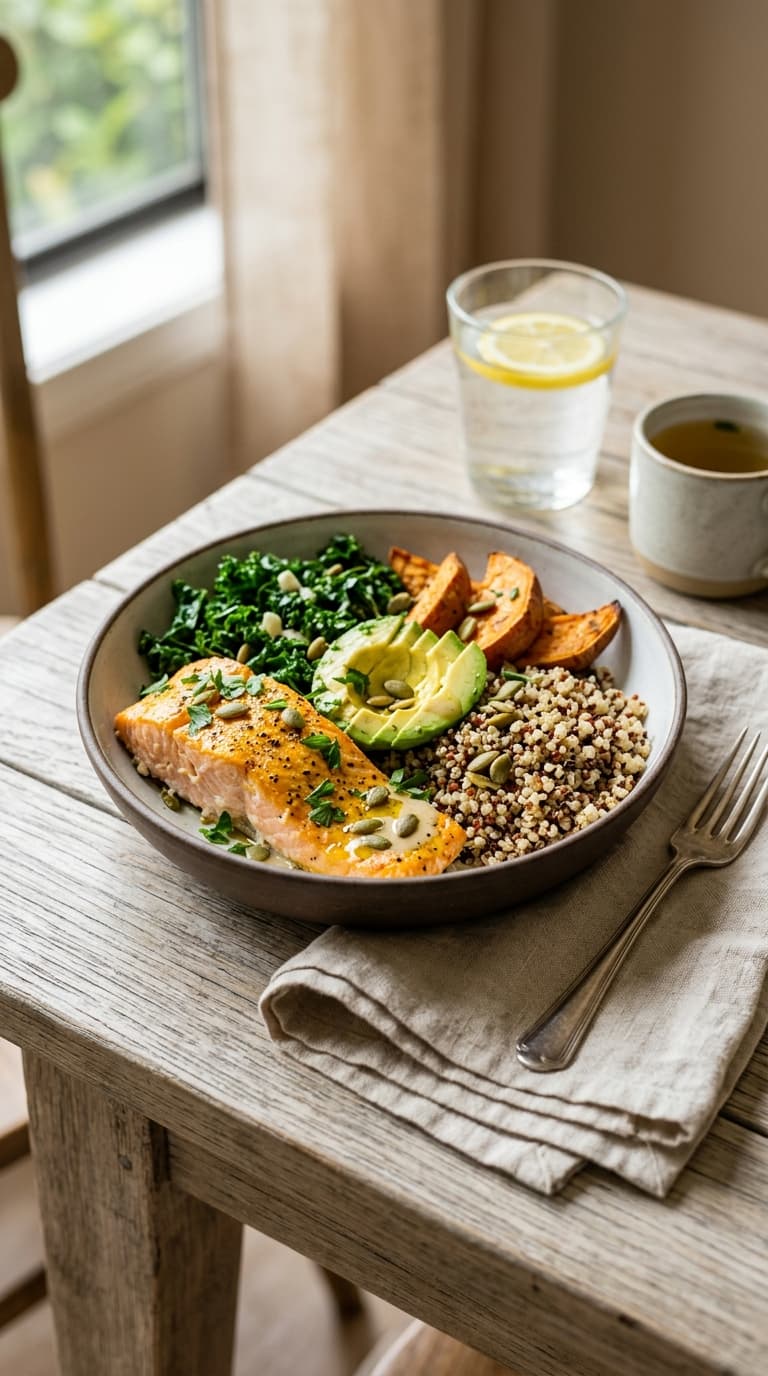
Dinner: Baked turmeric salmon with roasted sweet potato and steamed broccoli. Season generously — this isn’t the time to be shy with the spices.
Snack: A small handful of walnuts + a square of dark chocolate. Go ahead and enjoy it without guilt.
Day 2: Gut Love Day
Breakfast: Greek yogurt (full-fat, plain) with sliced strawberries, a sprinkle of flaxseeds, and a tiny drizzle of honey.
Lunch: Lentil soup with turmeric, cumin, spinach, and lemon. This is the kind of meal that feels like a warm hug. If you’re into filling low-calorie meals that actually satisfy, lentil soups hit that mark perfectly.
Dinner: Stir-fried tempeh with bok choy, garlic, ginger, and brown rice. Add a splash of tamari for depth.
Snack: Kefir smoothie blended with frozen mango and a pinch of ginger.
Day 3: Midweek Momentum
Breakfast: Overnight oats with rolled oats, chia seeds, almond milk, cinnamon, and sliced banana. Zero morning effort required — my kind of breakfast.
Lunch: Chickpea and roasted veggie bowl with tahini dressing. Throw whatever veggies you have in the oven and call it a plan.
Dinner: Grilled chicken thighs marinated in olive oil, garlic, turmeric, and lemon. Serve with a big arugula salad and roasted beets.
Snack: Apple slices with almond butter.
Day 4: The Midweek Slump? Not Today
Breakfast: Two scrambled eggs with sautéed spinach, a slice of whole grain toast, and half an avocado.
Lunch: Sardine and avocado toast on whole grain bread with a squeeze of lemon and red pepper flakes. Okay, sardines sound scary — but trust me on this one. They’re one of the most omega-3-dense, anxiety-fighting foods you can eat.
Dinner: Black bean tacos with corn tortillas, shredded cabbage, salsa, and a dollop of plain Greek yogurt instead of sour cream.
Snack: A small bowl of mixed berries with a sprinkle of hemp seeds.
Day 5: Feel-Good Friday Energy
Breakfast: Green smoothie with spinach, frozen pineapple, banana, ginger, and unsweetened coconut milk. If you want more inspiration, these low-calorie smoothies under 250 calories are worth bookmarking.
Lunch: Quinoa bowl with roasted zucchini, cherry tomatoes, kalamata olives, feta cheese, and a generous drizzle of olive oil. Mediterranean vibes only.
Dinner: Baked cod with a herb crust (parsley, garlic, olive oil), served with mashed cauliflower and sautéed kale.
Snack: A small handful of pistachios and a green tea. L-theanine + healthy fats = calm, sustained energy.
Day 6: Weekend Wind-Down
Breakfast: Turmeric golden milk oatmeal — cook oats in almond milk, stir in turmeric, cinnamon, a pinch of black pepper (it activates the curcumin!), and top with sliced almonds and a drizzle of maple syrup.
Lunch: Big Mediterranean salad with romaine, cucumber, red onion, olives, chickpeas, and a homemade lemon-herb dressing. These kinds of low-calorie Mediterranean-style recipes are proof that eating for your health doesn’t have to be sad.
Dinner: Herb-crusted lamb chops (or swap for chicken) with roasted asparagus and a warm lentil salad tossed in olive oil and fresh lemon.
Snack: Dark chocolate (a couple of squares, not the whole bar — we’re adults here :/) with herbal chamomile tea.
Day 7: Finish Strong
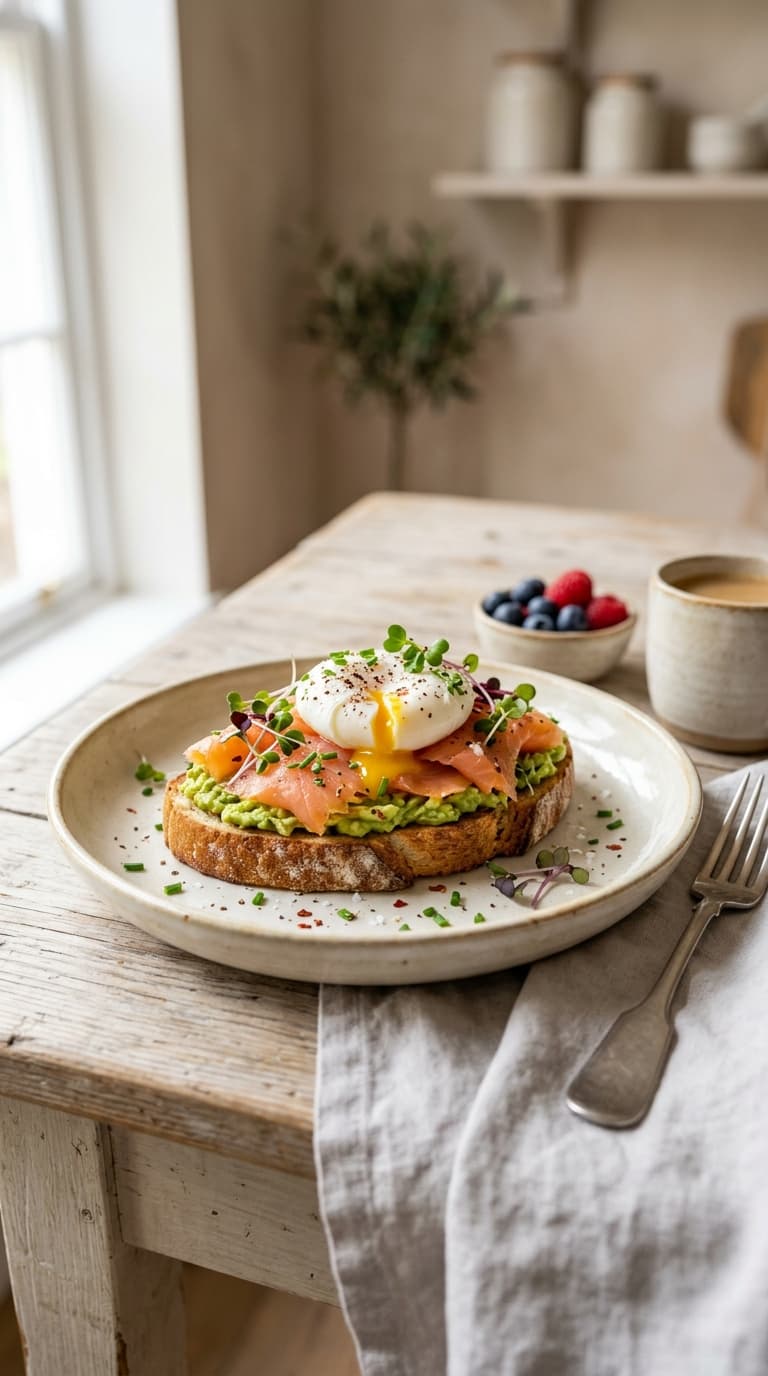
Breakfast: Smoked salmon and avocado scramble with two eggs, capers, and a sprinkle of fresh dill. A little fancy, a lot delicious.
Lunch: Butternut squash soup with ginger and coconut milk, paired with a small whole grain roll. Looking for more cozy options? These low-calorie soups under 200 calories are worth a bookmark.
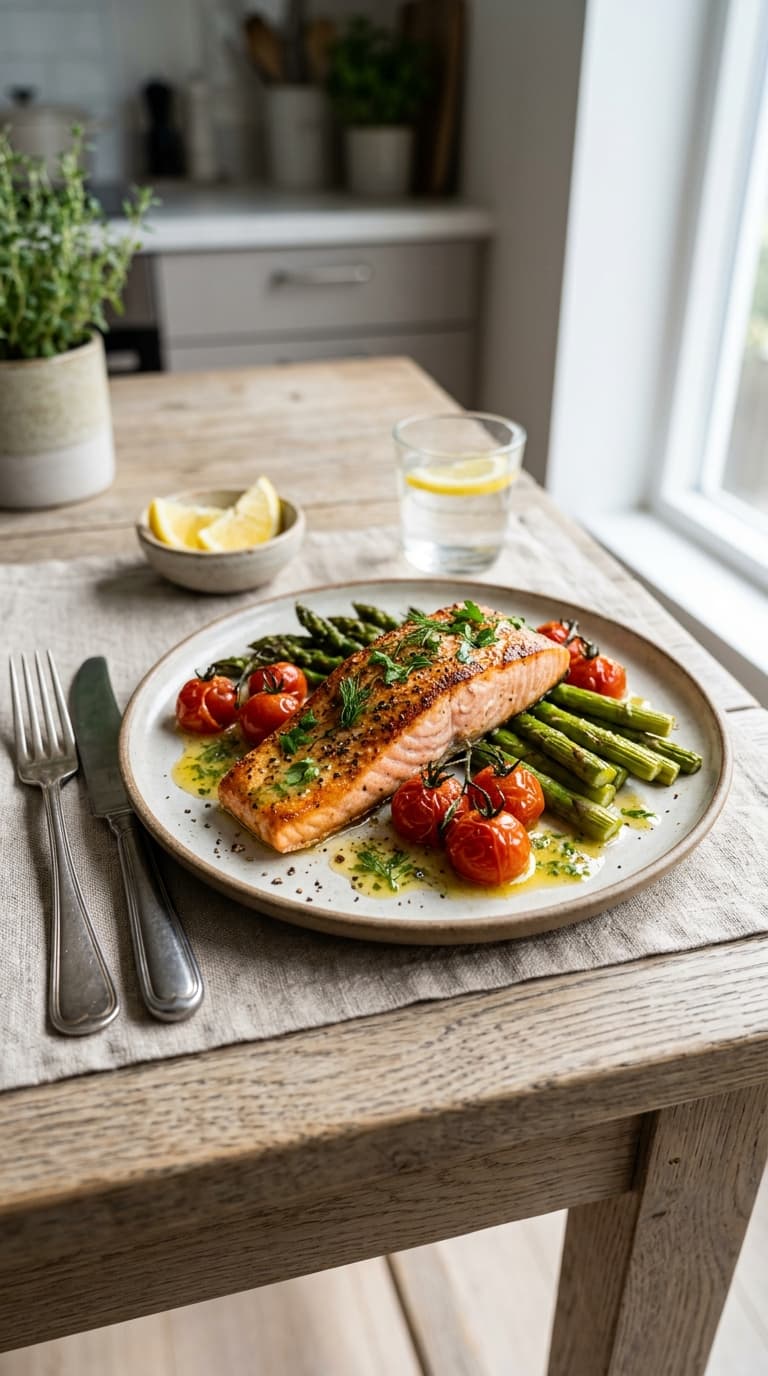
Dinner: Sheet pan salmon with roasted Brussels sprouts, red onion, and a balsamic glaze. One pan, minimal fuss, maximum flavor.
Snack: Greek yogurt bowl with a handful of blueberries, flaxseeds, and a light drizzle of honey.
Foods To Ditch (Or At Least Seriously Reduce)
Here’s the uncomfortable part. You can eat all the turmeric salmon you want, but if you’re still slamming a bag of chips every afternoon, you’re working against yourself. These are the foods that actively fuel inflammation and anxiety:
- Refined sugar — spikes blood sugar, crashes mood, feeds inflammatory pathways
- Ultra-processed foods — chips, fast food, packaged snacks full of additives
- Refined carbs — white bread, white pasta, most commercial baked goods
- Vegetable oils high in omega-6s — canola, corn, soybean oil (in excess)
- Alcohol — disrupts sleep and gut bacteria (both major anxiety triggers)
- Artificial sweeteners — may disrupt gut microbiome balance
- Excessive caffeine — raises cortisol and can amplify anxiety symptoms
You don’t have to be perfect. But being aware of what aggravates your system is half the battle.
Meal Prep Tips To Actually Make This Work
FYI — the biggest reason people fall off a healthy eating plan isn’t willpower. It’s lack of preparation. When hunger hits and there’s nothing ready, you’re grabbing whatever’s fastest. Been there, done that, deeply regret it.
Here are some practical ways to stay consistent:
- Batch cook grains on Sunday — brown rice, quinoa, and lentils keep well in the fridge for 4–5 days
- Pre-wash and chop vegetables so they’re grab-and-go ready
- Make overnight oats or chia pudding the night before to remove all morning decision-making
- Prep a big batch of soup or stew for easy weekday lunches — cheap meal prep ideas can help keep costs down too
- Keep healthy snacks visible — if the walnuts are front and center, you’ll eat the walnuts
- Invest in good containers — honestly, this is underrated for keeping prepped food fresh and actually appetizing
If you love the structure of prepping ahead, these make-ahead breakfast ideas can make your morning routine feel practically effortless.
The Gut-Brain Connection: What You Need To Know
Your gut isn’t just digesting food — it’s communicating directly with your brain through something called the vagus nerve. This gut-brain axis means that the health of your digestive system has a direct line to your emotional and mental state. Wild, right?
When your gut microbiome is diverse and thriving, it produces mood-regulating neurotransmitters and keeps inflammation in check. When it’s damaged — by stress, antibiotics, processed foods, or poor sleep — anxiety often follows. This is exactly why fermented foods, fiber-rich plants, and omega-3 fatty acids are the cornerstone of this meal plan.
You’re not just eating to fuel your body. You’re eating to literally calm your nervous system.
Lifestyle Habits That Amplify Your Results
The food does a lot of heavy lifting, but a few other things will make this week feel genuinely transformative:
- Prioritize sleep — this is non-negotiable for managing cortisol and inflammation
- Move your body gently — walks, yoga, and light exercise reduce inflammatory markers
- Hydrate consistently — even mild dehydration can spike anxiety levels
- Limit news and social media — environmental stress triggers physiological inflammation too
- Try deep breathing or meditation — even 5 minutes activates your parasympathetic nervous system
These aren’t bonus tips. They work synergistically with your anti-inflammatory diet to lower anxiety in a real, measurable way.
A Final Word (And a Gentle Nudge)
Here’s the thing: you don’t need a complete life overhaul to start feeling better. This 7-day plan is a starting point — a week of intentionally choosing foods that support your brain, your gut, and your overall sense of calm. Even if you swap in just half of these meals this week, you’re already moving in the right direction.
Your mental health is worth investing in. Not with an expensive supplement stack or some miracle program — but with real, whole, nourishing food that your body actually recognizes.
So grab that grocery list, pick a day to start, and give yourself the grace to try. Because you’ve spent enough time feeling anxious about everything else — your food doesn’t have to be one more thing that works against you.