30-Day Anti-Inflammatory Meal Plan For Women That Are Easy
30-Day Anti-Inflammatory Meal Plan For Women That Are Easy
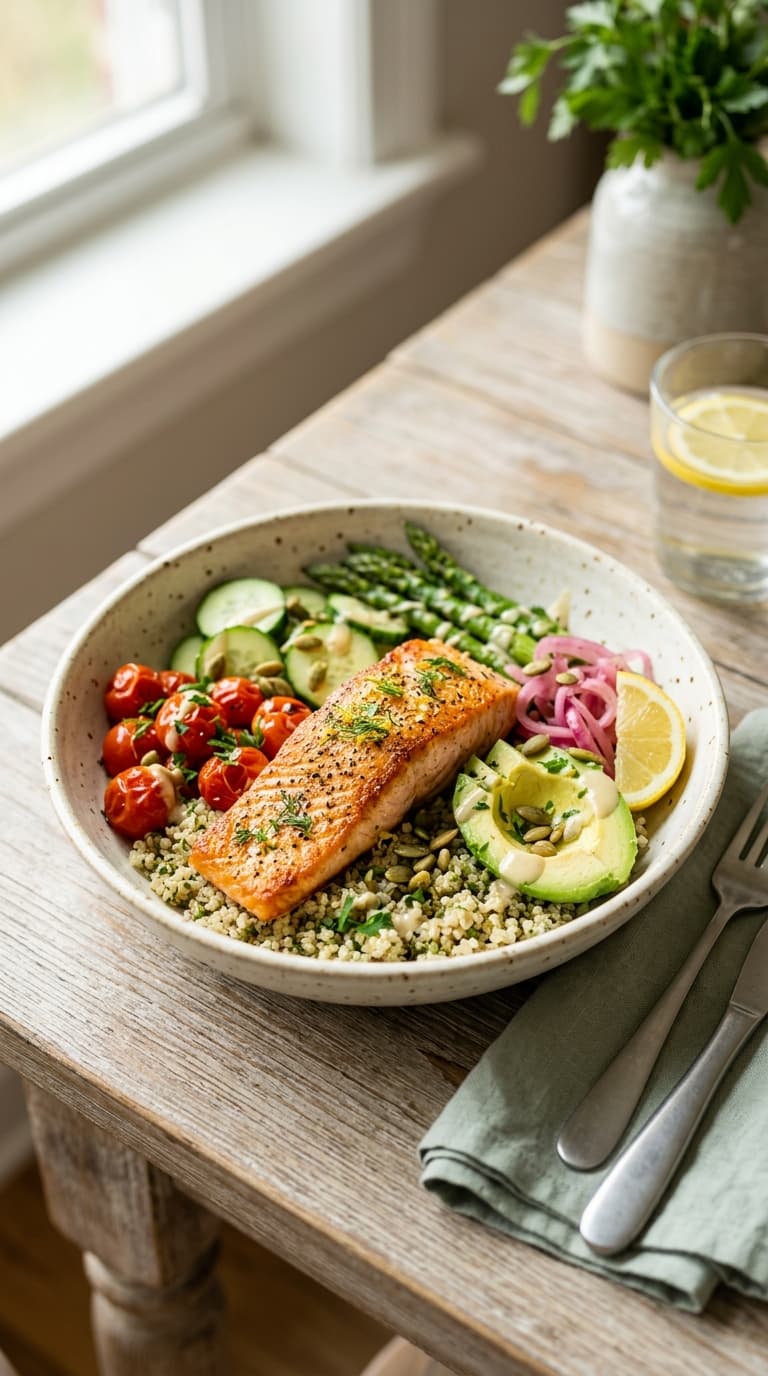
Let’s be real — most “healthy eating” plans feel like a punishment. You’re staring at a bowl of sad lettuce wondering where your life went wrong. But what if eating to fight inflammation actually tasted good? Spoiler: it absolutely can. This 30-day anti-inflammatory meal plan for women is built for real life — no fancy chef skills required, no ingredients you can’t pronounce, and definitely no suffering through flavorless food for a month.
I’ve been down the rabbit hole of inflammation, bloating, joint pain, and that constant low-level fatigue that makes you feel 20 years older than you are. Once I started eating intentionally — focusing on foods that work with my body instead of against it — things shifted pretty quickly. And I want to share exactly what that looks like over 30 days.
What Is Inflammation (And Why Should You Care)?
Inflammation isn’t always the bad guy. Acute inflammation is your body doing its job — it kicks in when you get a cut or catch a cold. The real troublemaker is chronic inflammation, which is like having a smoke alarm that never stops going off. Your body stays in a constant state of low-grade alarm, and over time, that wears everything down.
For women specifically, chronic inflammation can show up as joint pain, skin flare-ups, hormonal chaos, digestive issues, brain fog, and stubborn weight that won’t budge no matter what you do. Sound familiar? Yeah, I thought so.
The good news: what you eat has a massive impact on your inflammation levels. And 30 days is genuinely enough time to feel a real difference.
The Anti-Inflammatory Foods You’ll Be Leaning On
Before we get into the actual plan, let’s talk about the MVP ingredients you’ll be eating a lot of. Think of these as your toolkit.
Top anti-inflammatory foods to stock up on:
- Fatty fish (salmon, sardines, mackerel) — packed with omega-3s that calm inflammation at the cellular level
- Leafy greens (spinach, kale, arugula) — loaded with antioxidants and vitamins K and C
- Berries (blueberries, strawberries, cherries) — high in polyphenols that fight oxidative stress
- Turmeric — contains curcumin, one of nature’s most studied anti-inflammatory compounds
- Olive oil — especially extra virgin; it acts similarly to ibuprofen in the body (wild, right?)
- Nuts and seeds (walnuts, flaxseeds, chia seeds) — great sources of healthy fats
- Cruciferous vegetables (broccoli, cauliflower, Brussels sprouts) — support detox pathways
- Ginger — helps with pain, digestion, and inflammation all in one shot
- Legumes (lentils, chickpeas, black beans) — fiber-rich and gut-friendly
And on the flip side, you’ll want to minimize or cut out processed sugar, refined carbs, seed oils, alcohol, and anything ultra-processed. IMO, that last part is the hardest for most people — but I promise it gets easier.
How This 30-Day Plan Is Structured
The plan breaks into four weeks, each with a slightly different focus. You won’t be eating the exact same thing every day (because that would be torturous), but there’s a framework that makes grocery shopping and prep feel manageable.
The weekly breakdown looks like this:
- Week 1 — Reset and remove. You’re clearing out the inflammatory foods and letting your system catch its breath.
- Week 2 — Build and nourish. You start loading up on gut-healing, hormone-supporting foods.
- Week 3 — Deepen the habits. The meals get more varied, and you start feeling the results.
- Week 4 — Solidify and thrive. You’re in the groove. Your energy is up, bloating is down, and you actually look forward to eating.
Week 1: The Reset Phase
Week one is where a lot of people get tripped up because they overcomplicate it. Keep it simple. Your body is adjusting, and you might feel a little rough around day 3 or 4 as sugar cravings peak. Totally normal. Push through.
Breakfast Ideas for Week 1
Start your mornings with something that stabilizes blood sugar right away. If you’re skipping this, check out these 15 high-protein anti-inflammatory breakfasts to transform your mornings — they’re genuinely game-changing.
Simple options that work:
- Scrambled eggs with spinach and turmeric, served with a side of berries
- Overnight oats with chia seeds, blueberries, and a drizzle of raw honey
- Avocado toast on whole grain bread with a poached egg and red pepper flakes
Lunch Ideas for Week 1
Lunch should be your most substantial meal if you can manage it. Big salads with protein, grain bowls, or leftover dinner from the night before. If you meal prep on Sundays, lunch basically handles itself.
Go-to Week 1 lunches:
- Lentil soup with a side salad dressed in olive oil and lemon
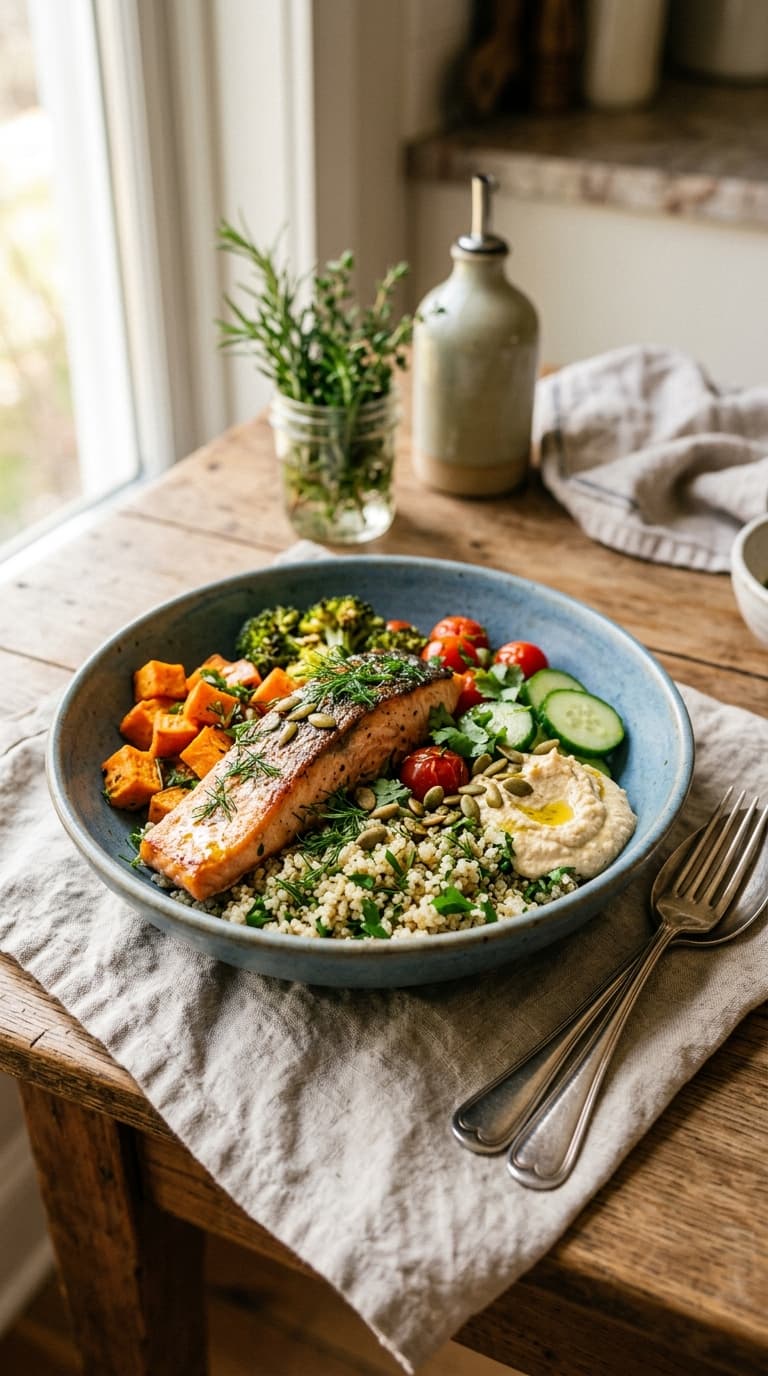
- Grilled salmon over arugula with cherry tomatoes and walnuts
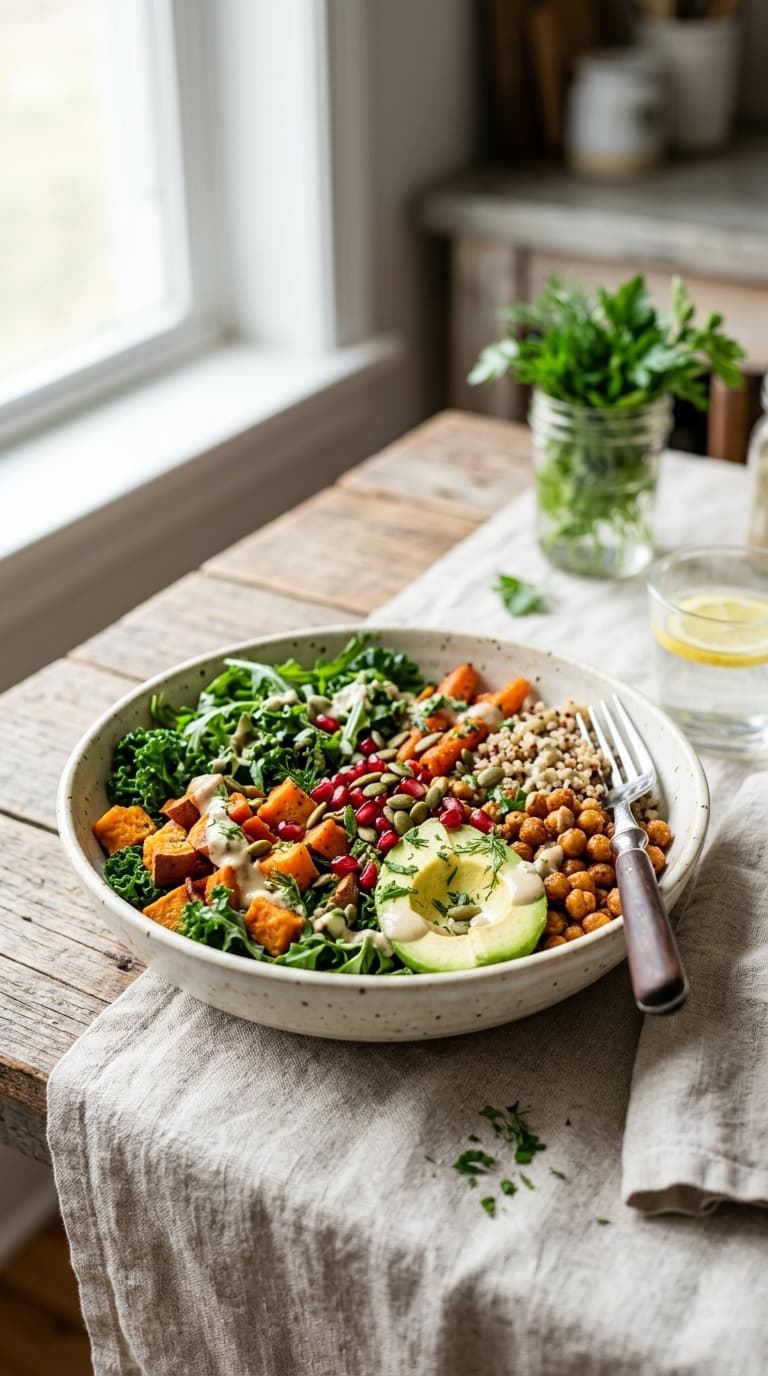
- Quinoa bowl with roasted veggies, chickpeas, and tahini dressing
Dinner Ideas for Week 1
Keep dinners lighter and earlier when you can — eating too close to bedtime spikes cortisol and can trigger nighttime inflammation. Try to wrap up dinner by 7pm if possible.
Easy Week 1 dinners:
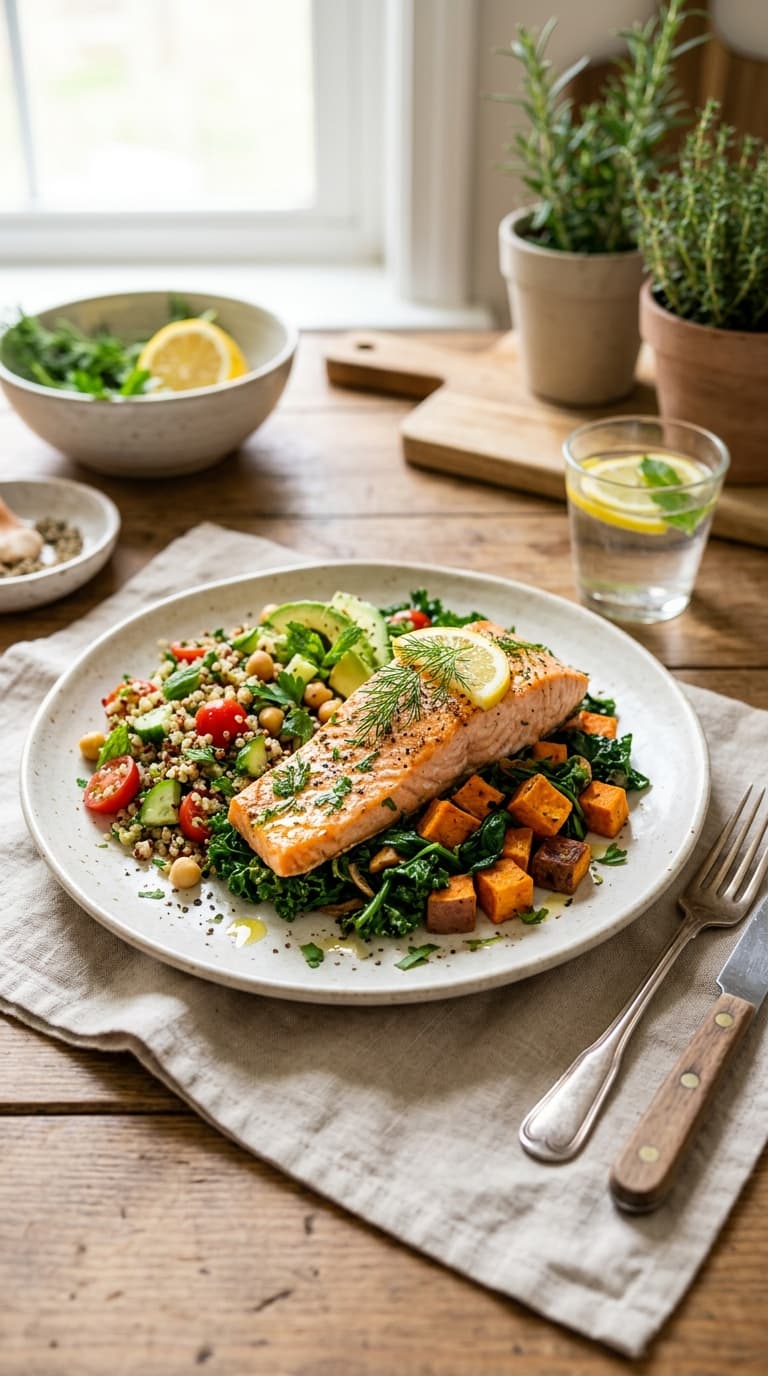
- Baked salmon with steamed broccoli and sweet potato
- Turkey and vegetable stir-fry with cauliflower rice
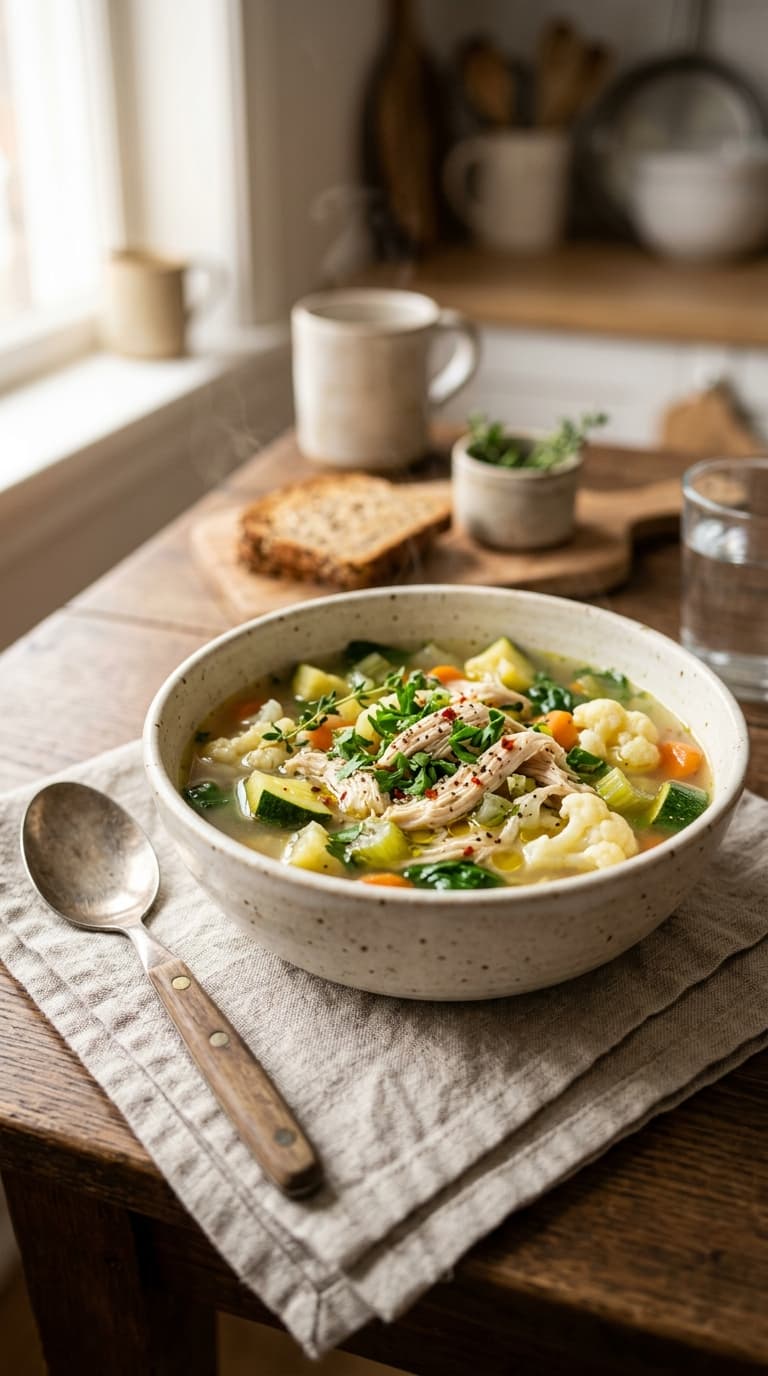
- Chicken and vegetable soup (make a big batch — you’ll thank yourself)
Week 2: Build and Nourish
By now, you’ve kicked a lot of the junk to the curb and your gut is starting to pay attention. Week 2 is when you start incorporating more gut-healing foods — fermented stuff, high-fiber veggies, and a variety of colors on your plate.
If you want to go deeper on the gut piece, the 7-day gut healing plan with high-fiber recipes is a great companion resource. A healthy gut and low inflammation basically go hand in hand. 🙂
Week 2 Focus: Hormone Support
For women, inflammation and hormones are deeply connected. When inflammation is high, estrogen can get out of balance, cortisol spikes more easily, and your cycle might go haywire. Week 2 intentionally brings in more cruciferous vegetables, flaxseeds, and magnesium-rich foods to support estrogen metabolism.
Key additions for Week 2:
- Add kefir or plain Greek yogurt daily for probiotics
- Incorporate ground flaxseed into smoothies or oatmeal
- Eat more cruciferous veggies — think roasted Brussels sprouts, steamed broccoli, raw cauliflower
- Snack on a small handful of walnuts daily
Sample Week 2 Day
- Breakfast: Greek yogurt with blueberries, ground flaxseed, and a drizzle of honey
- Lunch: Massaged kale salad with roasted chickpeas, avocado, and lemon-tahini dressing
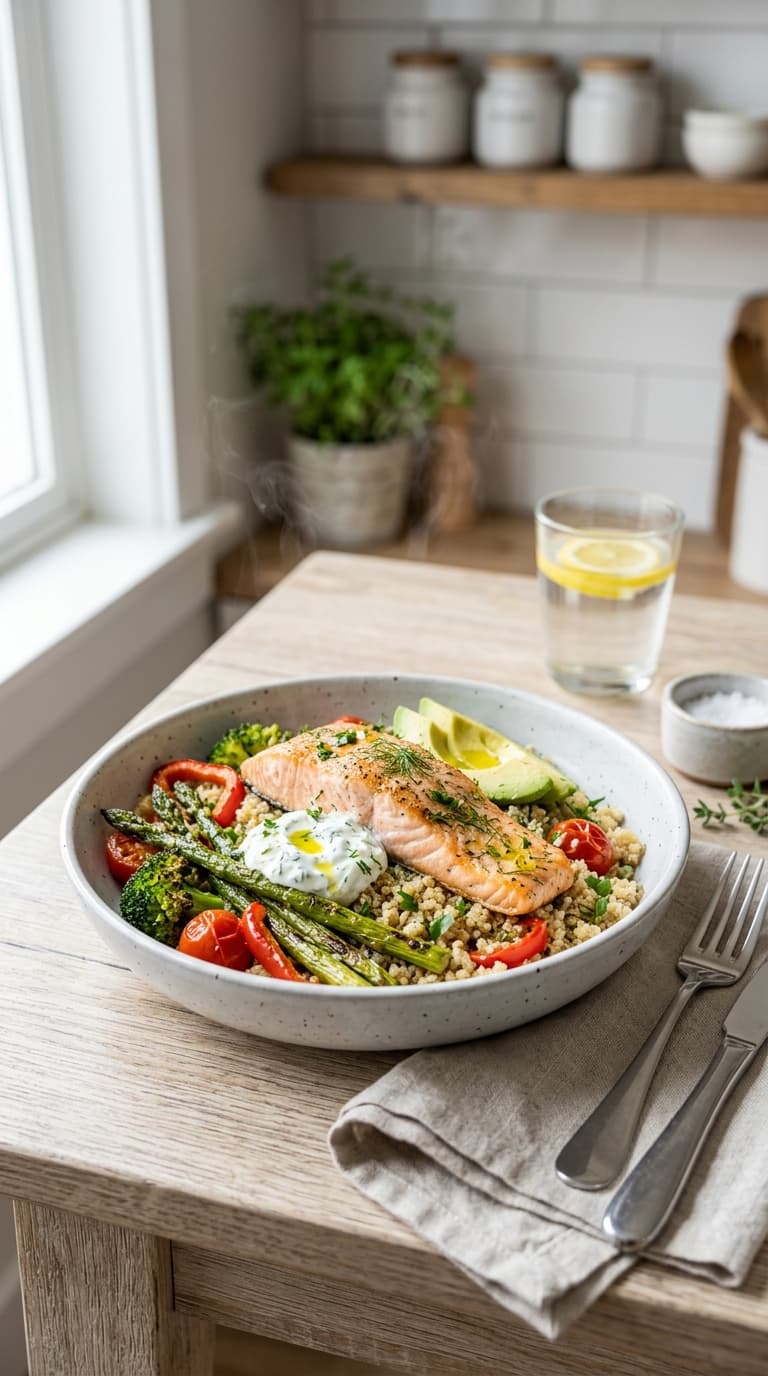
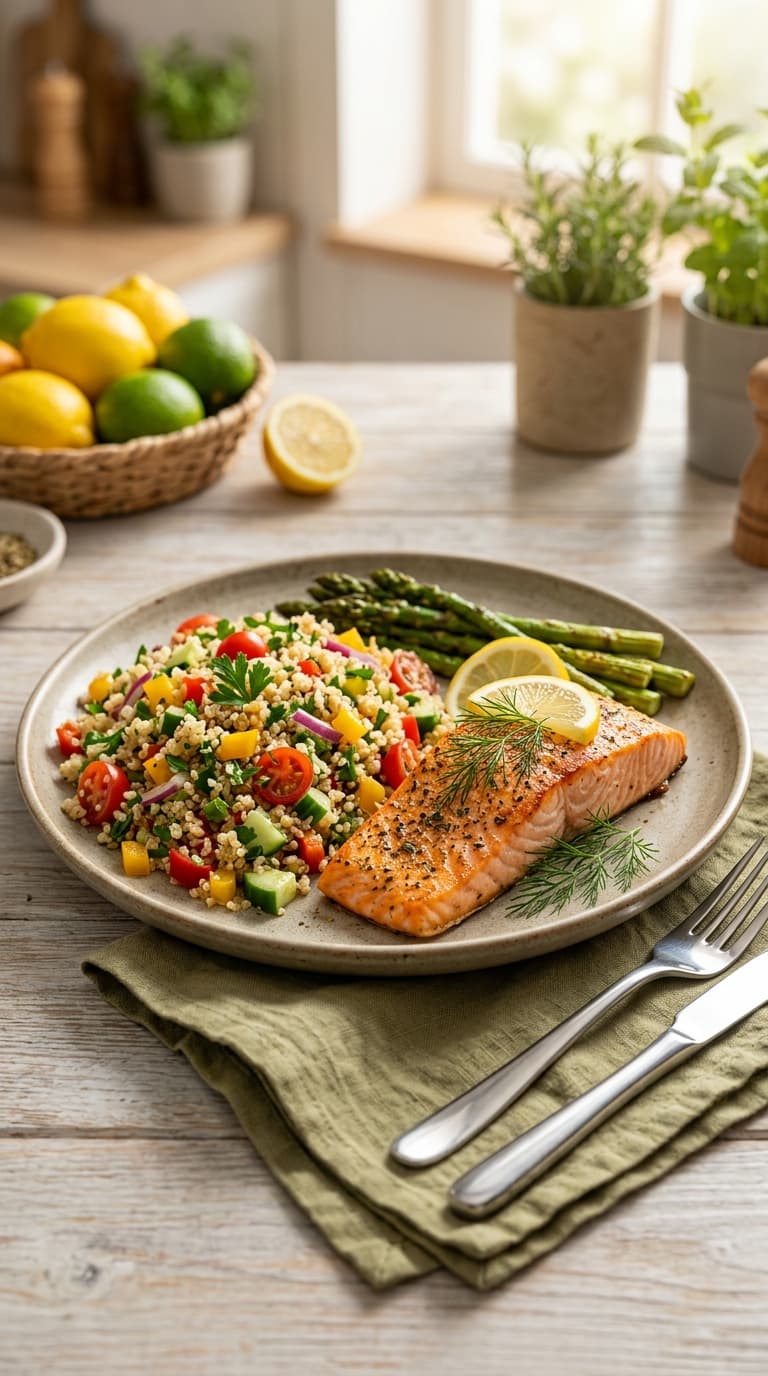
- Dinner: Sheet pan salmon with asparagus and lemon — zero fuss, huge payoff
- Snack: Apple slices with almond butter
Week 3: Deepen the Habits
You’re past the halfway point — high five! Week 3 is where most people notice the most visible changes. The bloating has usually calmed down, energy feels more consistent, and skin often starts to look clearer. This is also when the meals get more interesting.
Want some inspiration for satisfying dinners that won’t blow your progress? These 15 anti-inflammatory dinners for busy weeknights are exactly what you need when motivation starts to dip mid-week.
Week 3 Focus: Variety and Satisfaction
Eating the same foods on repeat kills any good eating plan eventually. Week 3 is your chance to experiment a little. Try new herbs, mix up your protein sources, and explore different cuisines that naturally lean anti-inflammatory — Mediterranean, Japanese, and Middle Eastern cooking are all fantastic here.
New ingredients to try in Week 3:
- Miso paste (adds flavor and probiotics to soups and dressings)
- Sardines on whole grain crackers — hear me out, they’re actually great :/ …okay, give them a chance
- Pomegranate seeds over salads
- Black rice (higher in antioxidants than brown rice)
- Fresh turmeric root grated into dressings
Snacking Without Sabotaging Yourself
Snacks matter. A lot. The wrong snack can undo a lot of good work, but the right one keeps your blood sugar stable and hunger in check. These 20 anti-inflammatory snacks for weight loss have solid options that actually taste like food you’d want to eat.
Smart snack options:
- Celery and almond butter
- Hard-boiled eggs with everything bagel seasoning
- Hummus with sliced cucumber and bell pepper
- A small bowl of mixed berries
- A few squares of 70%+ dark chocolate (yes, this counts — science says so)
Week 4: Solidify and Thrive
You made it to the final stretch. By week 4, eating this way should feel less like a plan and more like just… how you eat. That’s the goal. Not a 30-day fix that you abandon on day 31, but a genuine shift in how you relate to food.
Week 4 Focus: Meal Prep and Sustainability
The number one reason people fall off any eating plan is that it gets too hard to maintain. Week 4 is about setting yourself up for life after the 30 days. That means mastering a few go-to meal prep strategies that make the week feel effortless.
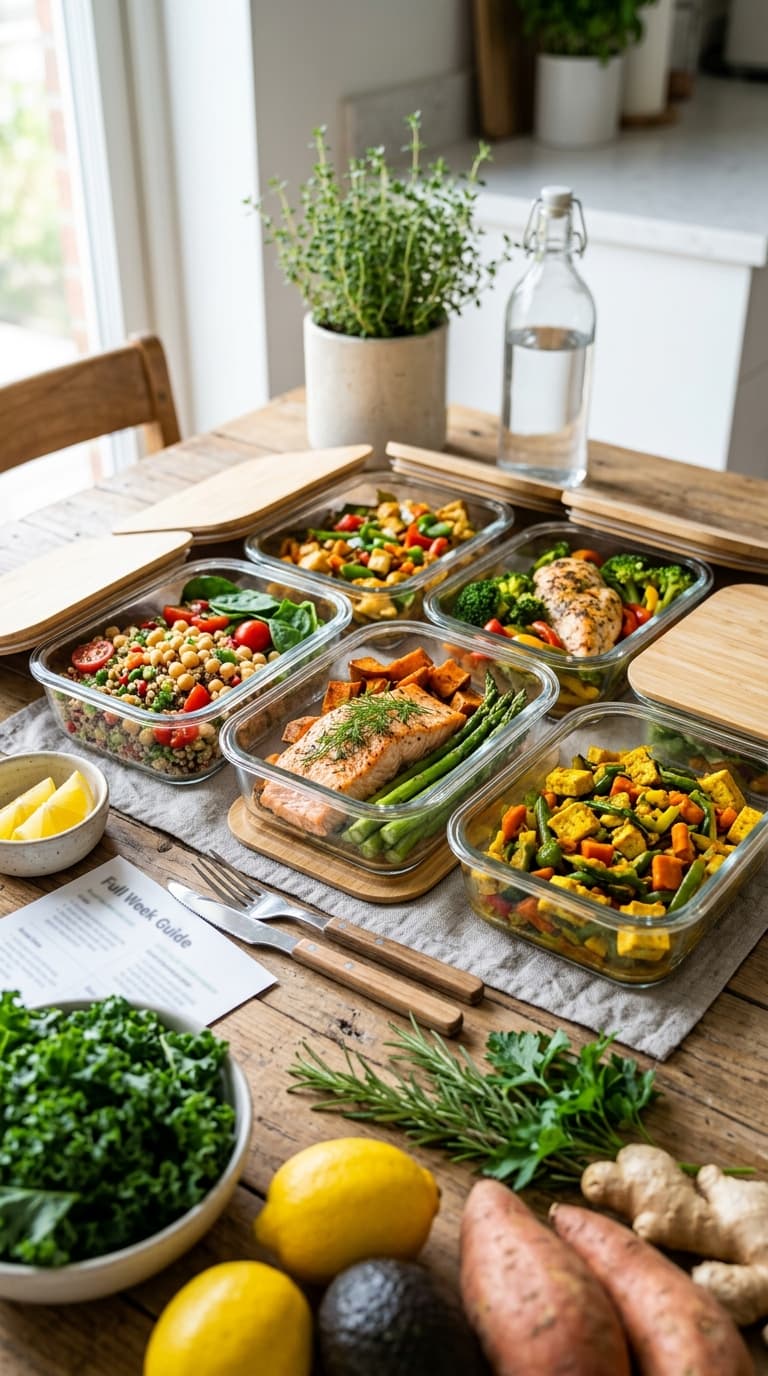
FYI — batch cooking is your best friend here. Spend two hours on Sunday doing this:
- Cook a big pot of grains (quinoa, farro, or brown rice)
- Roast a sheet pan of mixed vegetables
- Prep two protein sources (hard-boil eggs, cook chicken breasts or salmon)
- Make a big jar of dressing
With those four things done, you can assemble different meals all week without thinking too hard. If you want more structured prep ideas, the 30-day gut reset meal plan with quick recipes has great prep-ahead strategies built right in.
Sample Week 4 Day
- Breakfast: Anti-inflammatory smoothie — frozen wild blueberries, spinach, banana, ginger, turmeric, almond milk, and chia seeds
- Lunch: Farro bowl with roasted veggies, grilled chicken, avocado, and lemon olive oil dressing
- Dinner: Slow-cooked lentil and sweet potato curry with brown rice
- Snack: Walnuts and a couple squares of dark chocolate
Foods to Eat, Foods to Skip — The Quick Reference
Because sometimes you just need a clear list.
Eat freely:
- All vegetables, especially leafy greens and cruciferous
- All fruits, especially berries
- Wild-caught fish and seafood
- Pastured eggs and poultry
- Legumes and lentils
- Whole grains (quinoa, oats, farro, brown rice)
- Nuts and seeds
- Olive oil, avocado, avocado oil
- Herbs and spices — especially turmeric, ginger, garlic, rosemary
Limit significantly:
- Red meat (once or twice a week max, grass-fed when possible)
- Dairy (fermented versions like yogurt and kefir are better tolerated)
- Alcohol
- Caffeine in excess
Cut out or minimize:
- Refined sugar and sugary drinks
- Ultra-processed snacks and fast food
- Vegetable and seed oils (canola, soybean, corn oil)
- White flour and refined carbs
- Artificial sweeteners
Hormone Health and Inflammation — The Connection You Can’t Ignore
If you’ve been dealing with PMS, irregular cycles, perimenopause symptoms, or just feeling hormonally off, this plan works overtime for you. The anti-inflammatory foods in this plan also directly support hormone balance — it’s not a coincidence.
The 7-day hormone balancing meal plan for women is a great short-term complement if you want to hyper-focus on that angle. And if you’re looking for a longer reset, the 21-day hormone balance reset with easy recipes runs alongside this beautifully.
Key nutrients for hormone and inflammation balance:
- Omega-3 fatty acids — reduce prostaglandins that drive painful periods
- Magnesium — calms the nervous system and reduces cortisol
- B vitamins — support estrogen metabolism
- Zinc — important for progesterone production
- Fiber — helps the body eliminate excess estrogen through digestion
What To Expect Week By Week
Because managing expectations is everything here.
- Days 1–7: You might feel a little worse before you feel better. Cravings, headaches, fatigue — that’s just the sugar withdrawal and your body recalibrating. It passes.
- Days 8–14: Energy starts to stabilize. Bloating noticeably reduces. Sleep quality often improves.
- Days 15–21: Skin looks clearer. Weight may start shifting. Inflammation-related aches start to ease.
- Days 22–30: You feel like a genuinely different person. Energy is consistent, digestion is smooth, and you’ve built real habits that feel sustainable.
Quick Tips To Make This Actually Stick
Ever wondered why most people abandon a plan by week two? It’s not willpower — it’s planning. Here’s what actually helps:
- Prep one thing every night for the next day — even just chopping vegetables or soaking oats
- Keep snacks visible and accessible so you don’t grab something inflammatory out of desperation
- Drink water consistently — dehydration mimics hunger and can worsen inflammation
- Don’t make it perfect — one non-ideal meal doesn’t undo a week of good eating
- Track how you feel, not just what you eat — noticing improvements keeps you motivated
Wrapping It All Up
A 30-day anti-inflammatory meal plan for women isn’t about restriction or perfection — it’s about giving your body what it actually needs to function without constantly fighting itself. The foods in this plan are real, delicious, and genuinely easy to pull together, even on busy weeknights.
You don’t have to overhaul everything overnight. Start with breakfast, get that dialed in, then work outward. By the time 30 days is up, you’ll likely feel calmer, lighter, more energized, and way less inflamed in every sense of the word.
If you want to stack more tools on top of this, the 21-day anti-inflammatory meal plan for beginners is a great place to start before committing to the full 30, and the 14-day anti-inflammatory dinner plan can slot right into this framework.
Your body has been trying to tell you something. This plan is how you start listening.