30-Day Blood Sugar Balance Meal Plan For Beginners
30-Day Blood Sugar Balance Meal Plan For Beginners
Let’s be honest — managing blood sugar feels overwhelming at first. You hear words like “glycemic index” and “insulin resistance” and suddenly your brain checks out. But here’s the thing: balancing your blood sugar doesn’t have to be complicated, expensive, or miserable. A solid 30-day meal plan can genuinely change how you feel, how you sleep, and how much energy you carry through the day. I know because I’ve been through the trial-and-error phase so you don’t have to.
This guide walks you through everything — what to eat, when to eat it, and how to build habits that actually stick beyond day 30.
Why Blood Sugar Balance Matters More Than You Think
Your blood sugar isn’t just a concern for people with diabetes. Everyone’s energy, mood, cravings, and even belly fat are deeply tied to how stable their glucose levels stay throughout the day.
When your blood sugar spikes after a meal and then crashes an hour later, that’s when you feel sluggish, grab the nearest snack, and wonder why you’re tired despite sleeping eight hours. Sound familiar? That rollercoaster is exactly what this meal plan targets.
Keeping your blood sugar steady means fewer cravings, more consistent energy, and better fat metabolism. It’s not magic — it’s just science working in your favor.
The Core Principles Behind This Meal Plan
Before we get into the actual food, let’s talk strategy. You can’t outrun a bad plan, and eating randomly while hoping for balance won’t get you far.
Here are the non-negotiables:
- Always pair carbs with protein or fat — this slows glucose absorption significantly
- Eat within an hour of waking — skipping breakfast sends cortisol (a stress hormone) through the roof, which spikes blood sugar before you’ve even eaten
- Don’t go more than 4–5 hours without eating — long gaps cause your body to overcorrect when you finally do eat
- Prioritize fiber at every meal — fiber is your best friend for slowing sugar absorption
- Limit liquid sugar completely — juices, sodas, and even some “healthy” smoothies can spike blood sugar faster than candy
These principles don’t require fancy ingredients or a culinary degree. They just require intention.
What to Eat (And What to Cut Back On)
Foods That Support Blood Sugar Balance
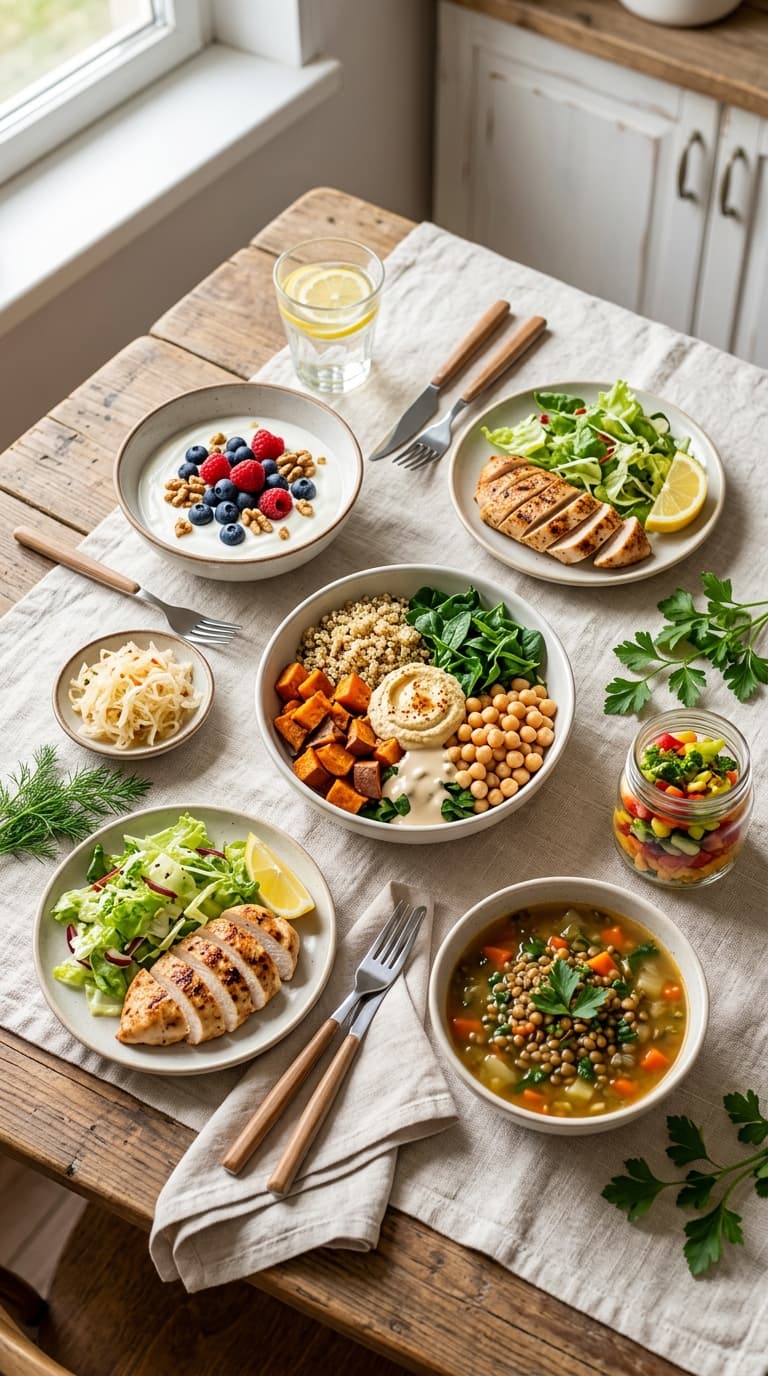
You’ll want to build your meals around these blood-sugar-friendly staples:
- Non-starchy vegetables — spinach, broccoli, zucchini, cucumbers, peppers, kale
- Lean proteins — chicken, turkey, eggs, Greek yogurt, cottage cheese, tofu
- Healthy fats — avocado, olive oil, nuts, seeds
- Low-glycemic carbs — oats (the old-fashioned kind, not instant), quinoa, sweet potato, lentils, chickpeas
- High-fiber fruits — berries, apples with skin, pears
- Fermented foods — plain Greek yogurt, kefir, sauerkraut (great for gut health, which is tied to insulin sensitivity)
If you’re looking for inspiration on building filling meals without going overboard on calories, these high-protein low-calorie meals that actually keep you full are an incredible starting point.
Foods to Limit or Avoid
IMO, no food is completely off-limits forever — but during these 30 days, you’ll want to significantly reduce:
- White bread, white rice, and regular pasta
- Sugary cereals and pastries
- Sweetened drinks (yes, including fruit juice — sorry :/)
- Processed snack foods with refined flour and added sugar
- Alcohol, especially beer and sweet cocktails
This isn’t about punishment. It’s about giving your body 30 clean days to recalibrate.
Week 1: Reset and Rebuild
The Goal for Week 1
Week one is all about breaking the sugar cycle. Your body might push back a little — cravings can hit hard around day 3 or 4. This is completely normal. Push through it.
Sample Week 1 Daily Meal Structure
Breakfast:
Scrambled eggs with spinach and half an avocado, served alongside a small portion of rolled oats with cinnamon and a handful of blueberries. No added sugar. Cinnamon alone helps improve insulin sensitivity — seriously, sprinkle it on everything this week.
If mornings are hectic for you, these simple calorie-deficit breakfasts for beginners have some really practical options that work perfectly here.
Lunch:
Big salad with grilled chicken, chickpeas, cucumber, cherry tomatoes, olive oil, and lemon dressing. Pack it the night before if you need to — meal prep saves week 1.
Dinner:
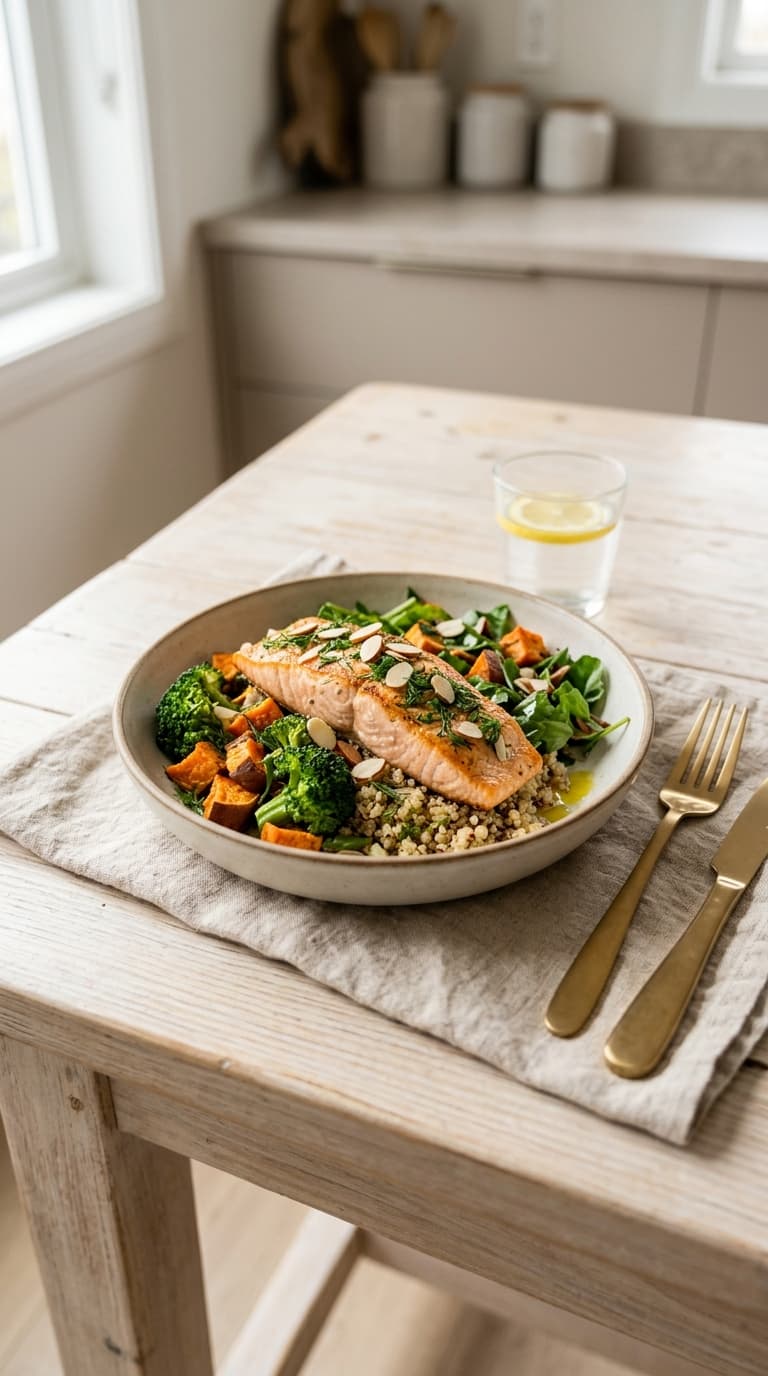
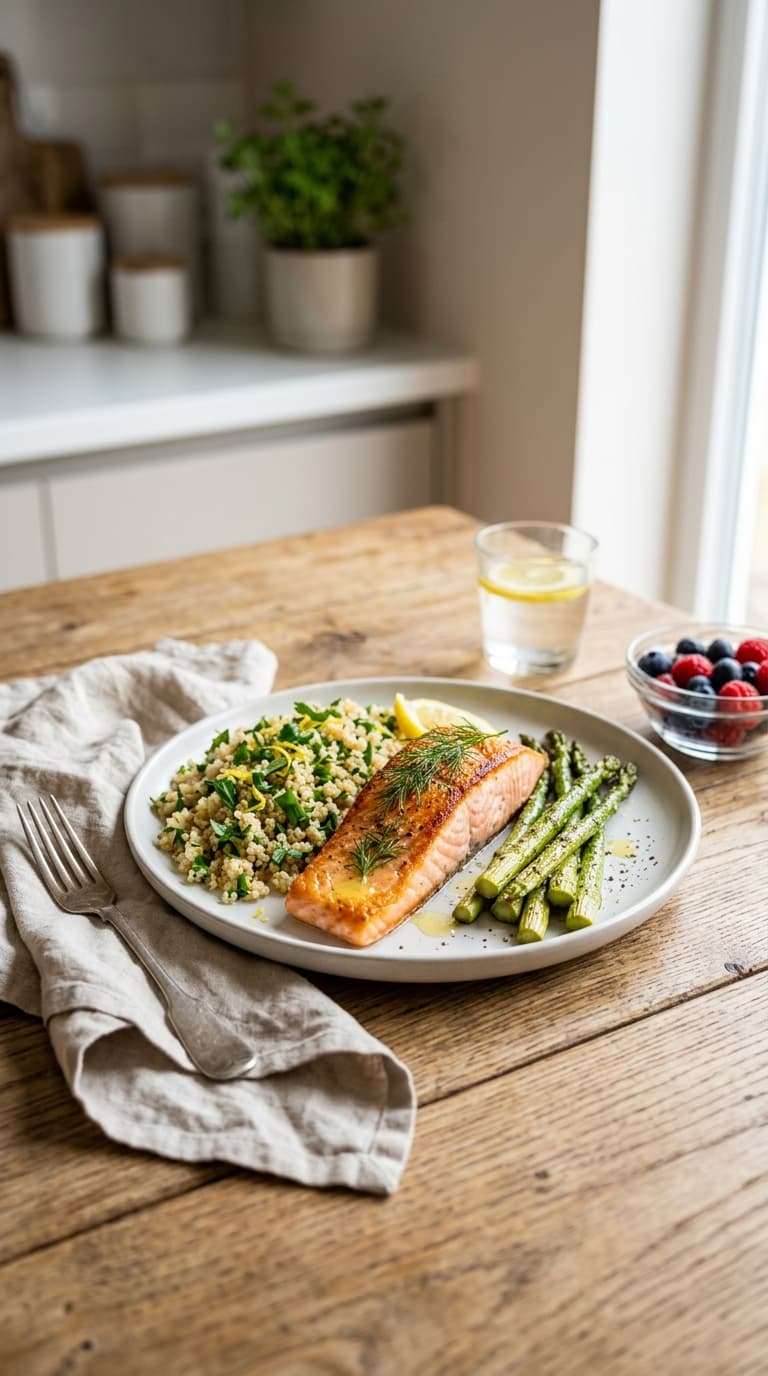
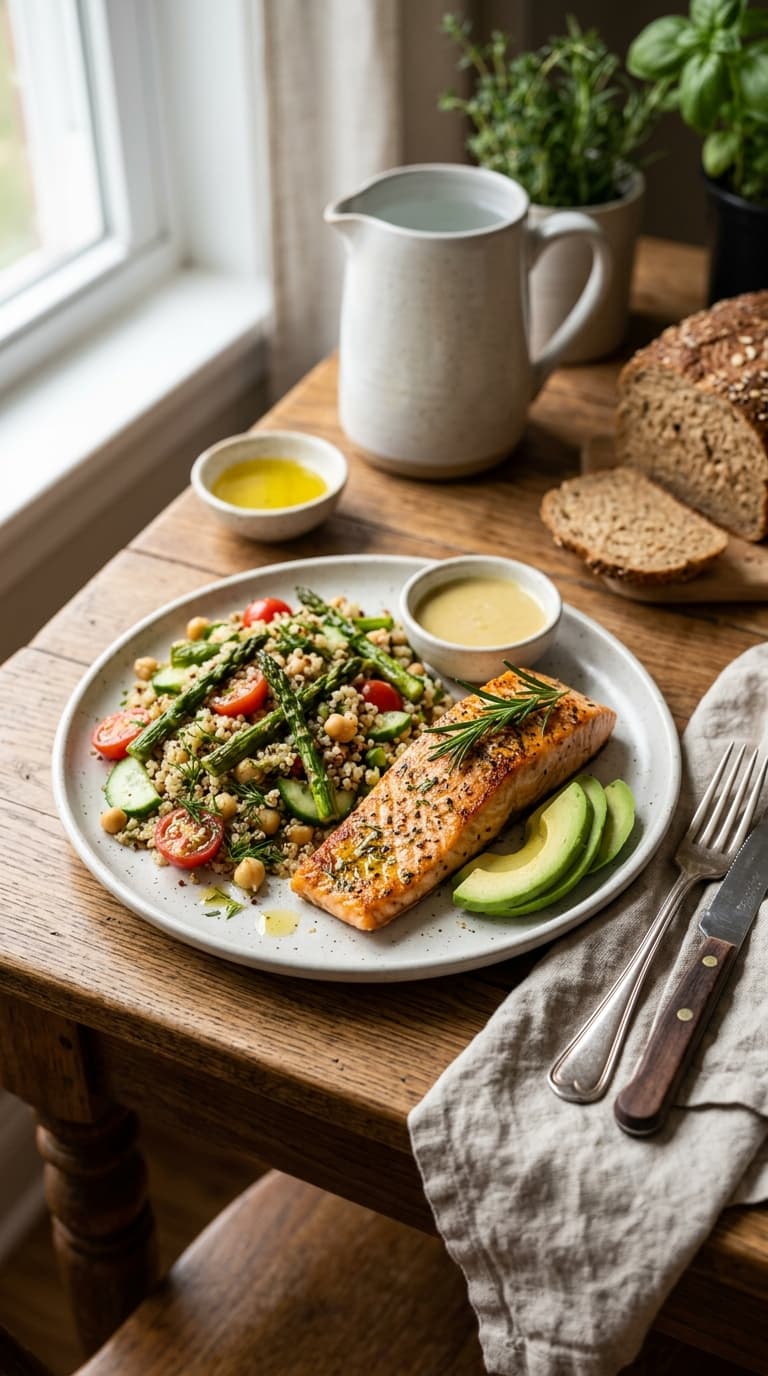
Baked salmon with roasted broccoli and a small serving of quinoa. Simple, satisfying, and blood-sugar friendly.
Snacks:
- Apple slices with almond butter
- Handful of walnuts
- Plain Greek yogurt with chia seeds
Week 1 Meal Prep Tips
Batch-cooking at the start of the week removes the “I don’t know what to eat” problem that tanks most plans by day 3. Cook a big pot of quinoa, grill several chicken breasts, and pre-wash your greens. Done.
For budget-friendly prep ideas that keep things interesting, check out these cheap low-calorie meals for meal prep — many of them align perfectly with blood sugar balance goals.
Week 2: Finding Your Rhythm
The Goal for Week 2
By now, the worst of the cravings should be easing up. Week 2 is about creating consistent eating rhythms and building confidence in the kitchen. You start to realize this isn’t that hard.
Expanding Your Meal Variety
Add more variety to keep things exciting:
- Try lentil soup for lunch (fiber-packed and incredibly filling) — low-calorie soups under 200 calories has some great ones
- Swap salmon for sardines or mackerel — equally omega-3-rich and often cheaper
- Experiment with cauliflower rice as a base instead of regular rice
- Try veggie-loaded stir-fries with tofu or chicken — these low-calorie stir-fry recipes make weeknight cooking almost effortless
The Snack Strategy That Actually Works
Here’s where most people go wrong — they “eat healthy meals” but grab whatever’s nearby for snacks. Snacks matter just as much as meals for blood sugar control.
Good snack combos:
- Hard-boiled egg + cucumber slices
- Celery with natural peanut butter
- Cottage cheese with berries
- A small handful of almonds + a square of dark chocolate (70% or higher)
For more snack inspiration that won’t spike your glucose, these low-calorie snacks that satisfy cravings fast are genuinely worth bookmarking.
Week 3: Optimizing and Personalizing
The Goal for Week 3
You’ve built the foundation. Now week 3 is about fine-tuning based on how your body is responding. Are you still feeling hungry mid-morning? Add more protein to breakfast. Energy crashing in the afternoon? Check your lunch — it might be too carb-heavy without enough fat or fiber.
Building Blood-Sugar-Friendly Lunches
Lunch is the meal most people eat on autopilot, usually grabbing whatever’s fast and convenient (which often means a blood sugar spike and an afternoon slump). Let’s fix that.
Great lunch options for week 3:
- Turkey lettuce wraps with avocado and hummus
- Grain bowls with roasted veggies, chickpeas, tahini, and leafy greens
- Egg salad (made with Greek yogurt instead of mayo) on whole grain toast with a side salad
If you work from an office, these easy low-calorie lunch ideas for work make packing lunch a non-issue.
Don’t Forget Hydration
Ever wondered why you reach for snacks when you’re actually just dehydrated? Your body sometimes confuses thirst for hunger, which leads to unnecessary eating and blood sugar fluctuations. Aim for at least 8 glasses of water daily.
For a little variety beyond plain water, these low-calorie drinks that support weight loss include some great options that won’t mess with your glucose levels.
Week 4: Locking In Long-Term Habits
The Goal for Week 4
This is the week where it clicks. You stop thinking of this as a “diet” and start recognizing it as just… how you eat. The goal isn’t to white-knuckle it to day 30 and then go back to your old ways. It’s to make this sustainable.
Dinner Ideas That Don’t Feel Like Diet Food
One of the biggest misconceptions about blood-sugar-friendly eating is that dinner has to be boring. Absolutely not. FYI — some of the most delicious meals you’ll ever make fit perfectly into this plan.
Try these during week 4:
- Chicken and vegetable sheet pan dinners (minimal cleanup, maximum flavor)
- Turkey meatballs with zucchini noodles and marinara
- Stuffed bell peppers with ground turkey, brown rice, and black beans
- Mediterranean-style baked cod with olives, tomatoes, and capers
For dinner ideas that genuinely taste amazing, these low-calorie dinners that actually fill you up are packed with options that work beautifully for blood sugar balance.
Handling Sweet Cravings Without Derailing Yourself
Let’s talk about dessert — because pretending you’ll never want something sweet again is just setting yourself up for a binge. The key is satisfying the craving without the sugar spike.
Smart swap options:
- Greek yogurt with a drizzle of honey and cinnamon
- Frozen banana “nice cream” with a spoonful of almond butter
- Dark chocolate (70%+ cacao) with a few raspberries
- Chia pudding made with unsweetened almond milk and vanilla
These low-calorie desserts you can eat every day prove that satisfying your sweet tooth doesn’t have to wreck your progress.
A Sample Full Week Meal Plan (At a Glance)
Monday:
- Breakfast: Oats with chia seeds, cinnamon, and blueberries
- Lunch: Grilled chicken salad with olive oil dressing
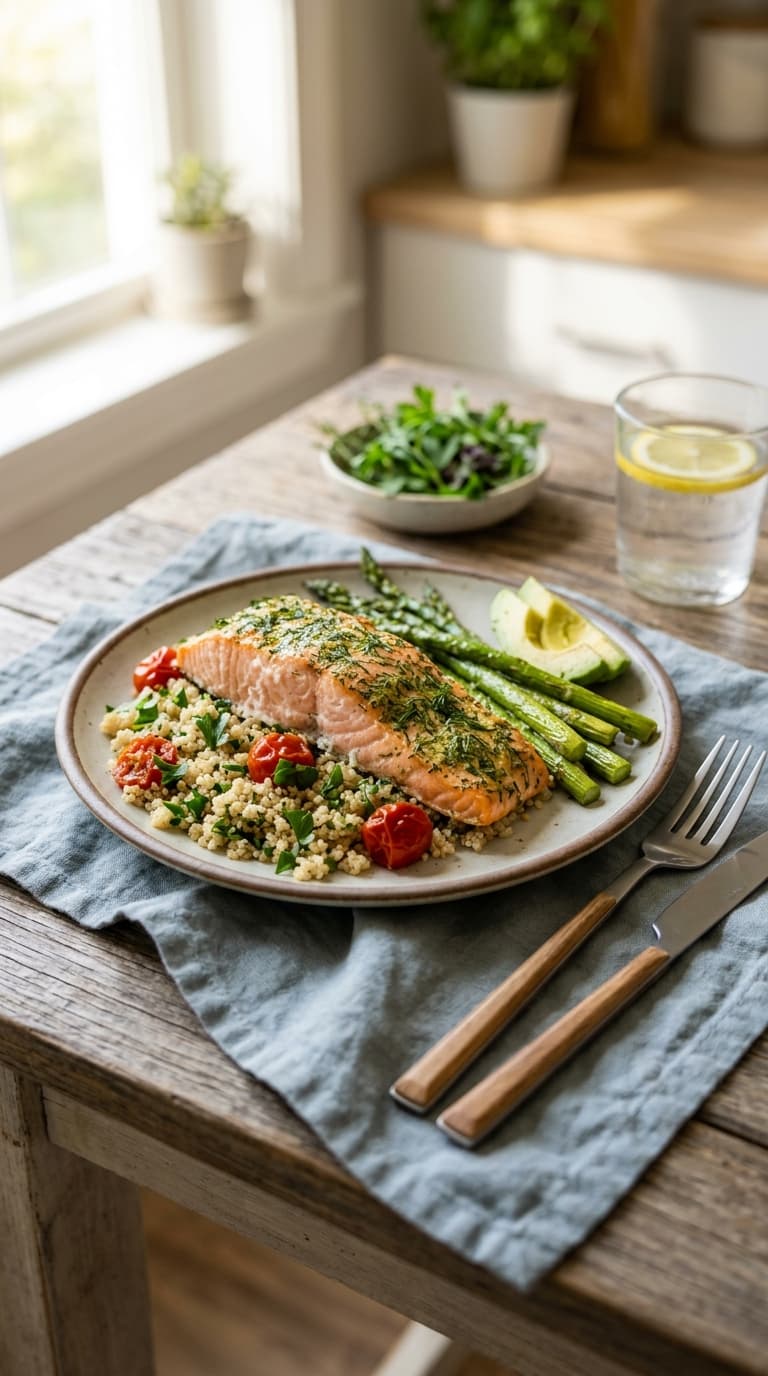
- Dinner: Baked salmon with roasted asparagus and quinoa
- Snack: Apple + almond butter
Tuesday:
- Breakfast: Scrambled eggs with spinach and avocado
- Lunch: Lentil soup with a side of cucumber slices
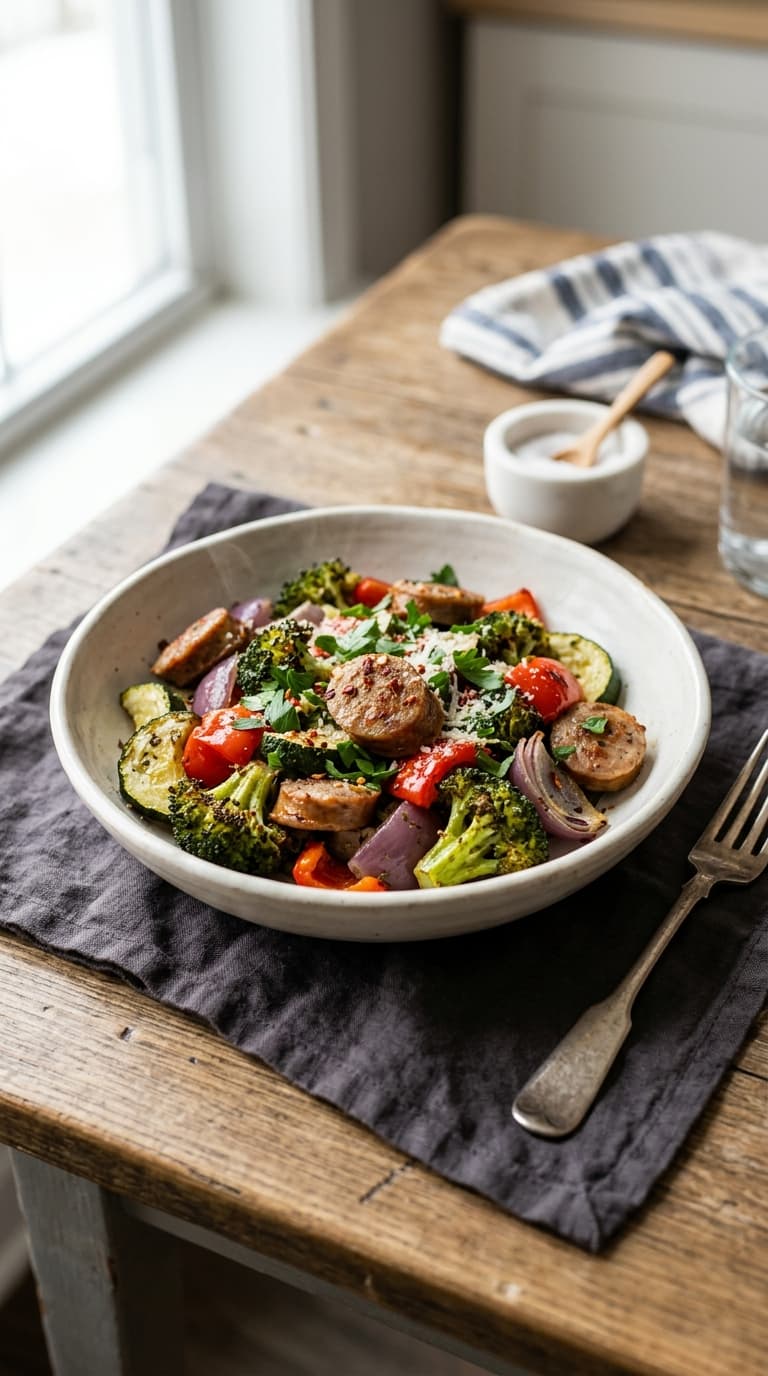
- Dinner: Turkey stir-fry with broccoli and cauliflower rice
- Snack: Greek yogurt with walnuts
Wednesday:
- Breakfast: Greek yogurt parfait with berries and flaxseed
- Lunch: Grain bowl with chickpeas, roasted peppers, and tahini
- Dinner: Sheet pan chicken with sweet potato and green beans
- Snack: Hard-boiled egg + celery
Thursday through Sunday: Rotate through the meals above, introduce new proteins, and keep experimenting with different non-starchy vegetables to prevent boredom.
Common Mistakes to Avoid on This Plan
Even with the best intentions, a few common slip-ups can stall your progress:
- Skipping meals to “save calories” — this usually leads to overcompensating later and causes blood sugar chaos
- Eating too many high-glycemic fruits — mangoes, pineapples, and grapes are nutritious but high in sugar; stick to berries and apples primarily
- Ignoring portion sizes of “healthy” foods — oats and sweet potatoes are great, but a mountain of them still spikes blood sugar
- Not reading labels on packaged foods — “low fat” often means “extra sugar,” which is just sneaky
- Forgetting protein at breakfast — a carb-heavy breakfast sets off a glucose rollercoaster that can affect your whole day
Grocery Staples to Always Have on Hand
Building a blood-sugar-friendly kitchen starts at the store. Here’s your non-negotiable shopping list:
- Eggs, Greek yogurt, cottage cheese
- Skinless chicken breast or thighs, canned tuna or salmon
- Rolled oats, quinoa, lentils, canned chickpeas
- Frozen berries, fresh spinach, broccoli, zucchini
- Avocados, olive oil, nuts (almonds, walnuts), chia and flax seeds
- Cinnamon, turmeric, garlic (all help with insulin sensitivity)
These low-calorie grocery items that are always worth buying overlap nicely with blood-sugar-friendly staples and keep your cart both smart and affordable.
The Bigger Picture: What Happens After Day 30?
Here’s the honest truth — 30 days is a jumpstart, not a finish line. What you’re really building is a new baseline for how you eat and feel. After 30 days, most people report:
- More stable energy throughout the day
- Reduced sugar cravings
- Better sleep quality
- Improved mood and mental clarity
- Weight loss as a natural side effect (not the goal, but a common outcome)
The plan doesn’t have to end. You simply keep the principles and loosen the structure slightly as you learn what works for your body.
Wrapping It Up
A 30-day blood sugar balance meal plan isn’t about perfection — it’s about consistency. You don’t need to overhaul your entire life on day one. Start with the principles, stock your kitchen with the right staples, meal prep once or twice a week, and be patient with yourself when days get messy.
Your body is incredibly responsive. Give it 30 days of steady, balanced nourishment and it will show you exactly how good it can feel. And honestly? Once you get past week one, this whole thing starts to feel less like discipline and more like just… taking care of yourself. Which, when you think about it, is the whole point. 🙂