Keto Intermittent Fasting Meal Plan (Free Printable)
Keto Intermittent Fasting Meal Plan (Free Printable)
Okay, real talk — combining keto and intermittent fasting sounds like something only a hardcore fitness influencer would attempt. But here’s the thing: this combo is actually one of the most effective, sustainable approaches to fat loss that I’ve personally tried. And no, you don’t need to suffer through it. With the right meal plan in hand, it’s honestly way more manageable than it sounds.
What Even Is Keto Intermittent Fasting?
Let’s get the basics out of the way before we talk food. Keto intermittent fasting (Keto IF) is exactly what it sounds like — you’re combining a high-fat, low-carb ketogenic diet with an intermittent fasting eating window.
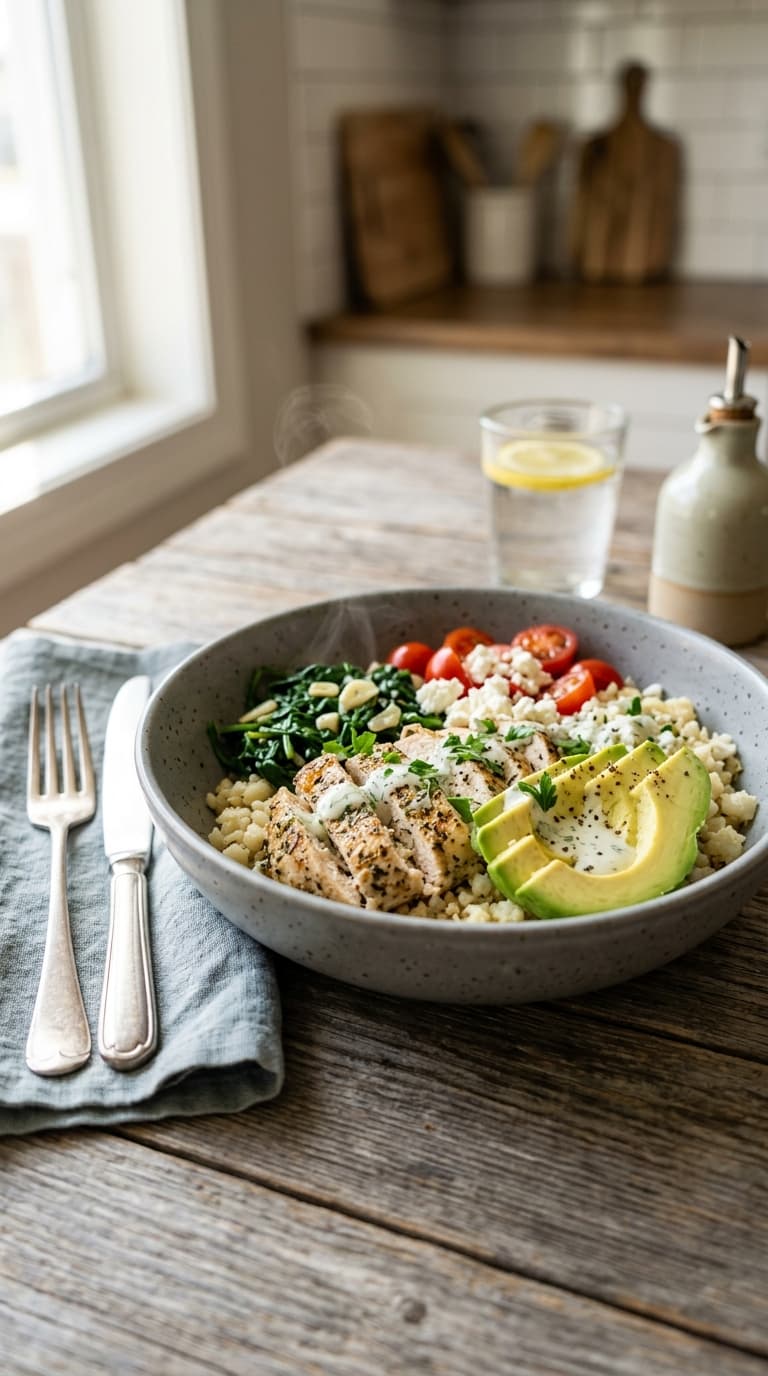
The ketogenic diet pushes your body into a state called ketosis, where it burns fat for fuel instead of carbs. Intermittent fasting restricts when you eat, not just what you eat. Together, they create a metabolic double-whammy that accelerates fat burning, stabilizes blood sugar, and seriously curbs hunger after the first few days.
Sound too good to be true? IMO, it’s not — it just takes a solid plan to get there.
Why Combine Keto AND Intermittent Fasting?
Here’s something most people don’t realize: keto and IF are actually designed to complement each other perfectly. When you’re already in ketosis, fasting becomes easier because your body has a steady supply of ketones for energy — you’re not crashing from blood sugar drops the way carb-eaters do.
The benefits stack up fast:
- Deeper ketosis — fasting depletes glycogen stores quickly, getting you into fat-burning mode faster
- Reduced hunger — ketones suppress ghrelin (your hunger hormone) like a boss
- Improved insulin sensitivity — great news if you’re managing blood sugar or weight loss
- More consistent energy — no 3 PM slump when you’re running on fat
- Faster fat loss — especially around the belly, which, let’s be honest, is why most of us are here
Choosing Your Fasting Window
Before we get to the actual meal plan, you need to pick a fasting protocol. The most popular options for Keto IF are:
16:8 (Most Beginner-Friendly)
You fast for 16 hours and eat within an 8-hour window. For example, eat between 12 PM and 8 PM, fast from 8 PM to noon the next day. This is where I’d tell any beginner to start — it’s manageable, fits into normal social life, and gives great results.
18:6 (Intermediate)
You eat within a 6-hour window. A bit more intense, but many people find the results noticeably better once they’ve adjusted to 16:8.
OMAD (One Meal a Day)
Exactly what it sounds like — one meal per day. This is advanced territory. Not for beginners. Seriously, don’t start here :/
For most people, 16:8 is the sweet spot — especially when you’re also cutting carbs. Let your body adapt before you push harder.
What to Eat on Keto IF
Here’s where the magic lives. On keto IF, you need to hit your fat and protein targets inside your eating window while staying under 20–50g of net carbs per day. That means no sneaky snacks of fruit, no “just a bite” of bread, and definitely no liquid carbs hiding in your coffee.
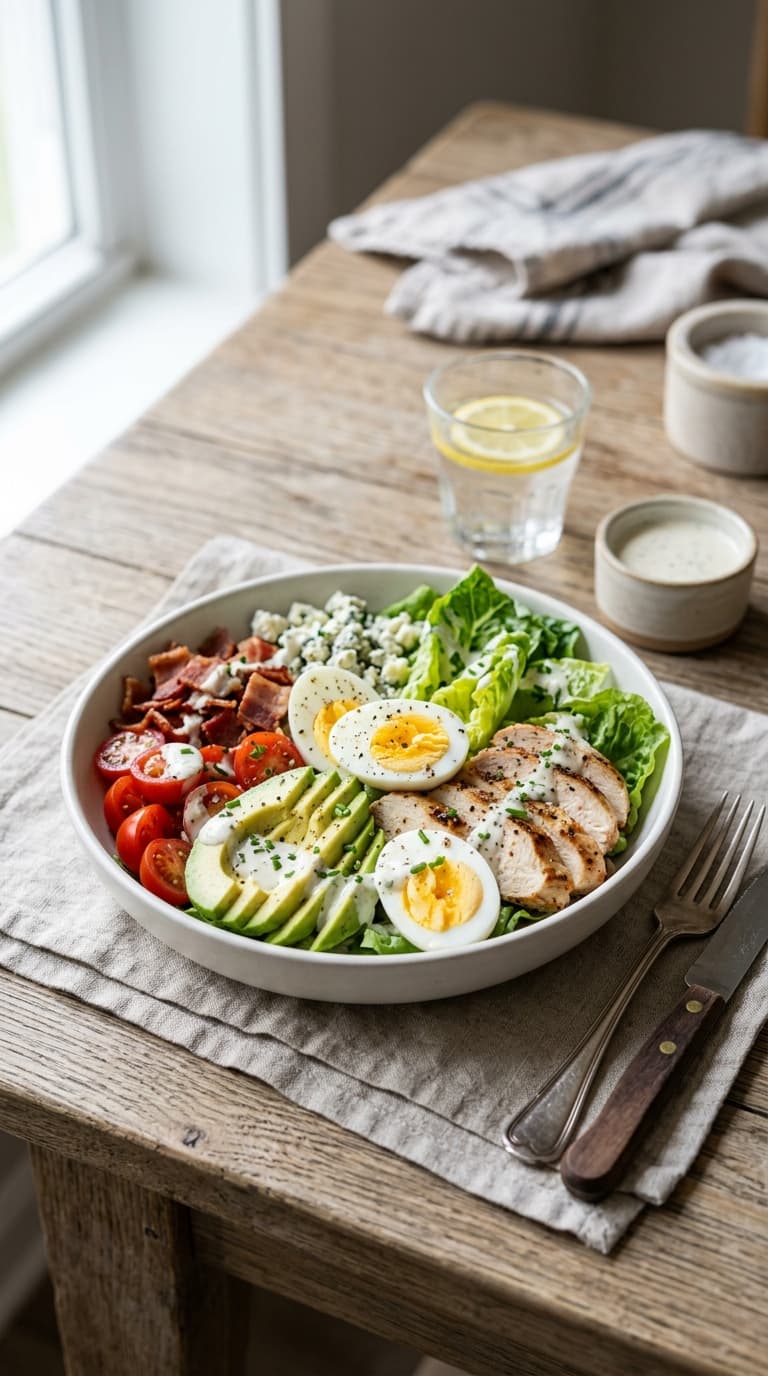
Your keto plate should look roughly like this:
- 70–75% fat (avocado, olive oil, butter, nuts, fatty fish, cheese)
- 20–25% protein (eggs, chicken, beef, salmon, tuna)
- 5% carbs (leafy greens, zucchini, cauliflower, broccoli)
And if you’re looking for satisfying meals that won’t blow your carb budget, these high-protein low-carb recipes for weight loss are seriously worth bookmarking.
7-Day Keto Intermittent Fasting Meal Plan (Free Printable)
Alright, here’s what you came for. This plan uses a 16:8 window — eating from 12 PM to 8 PM. Every meal is designed to keep you in ketosis, hit your protein goals, and actually taste good. Wild concept, I know.
During your fasting window, stick to black coffee, plain tea, or water. Nothing else. Not even that “just a little cream” — it breaks the fast and bumps insulin. I learned that the hard way.
Day 1
Meal 1 (12 PM): Scrambled eggs cooked in butter with sautéed spinach and crumbled bacon. A side of half an avocado.
Meal 2 (3–4 PM): Tuna salad made with mayo, celery, and a squeeze of lemon, served in lettuce wraps.
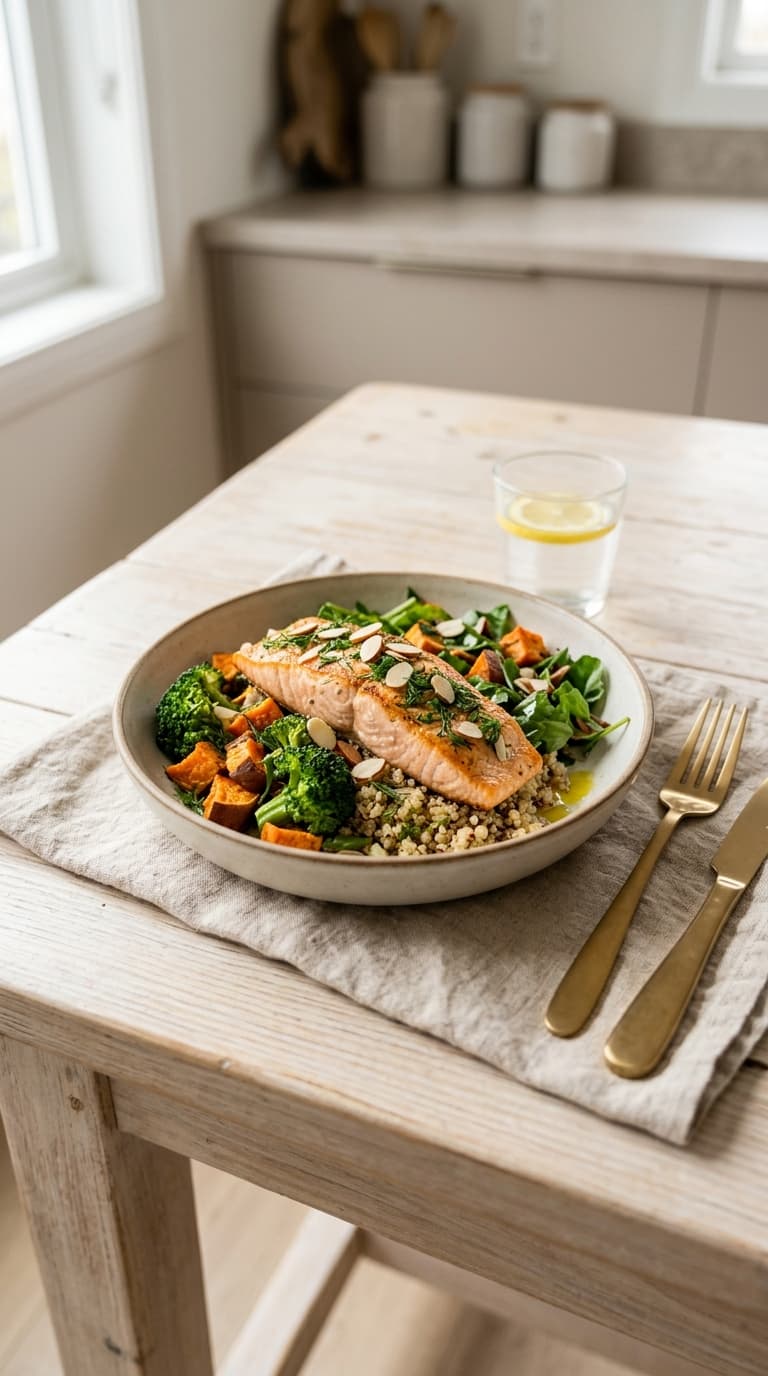
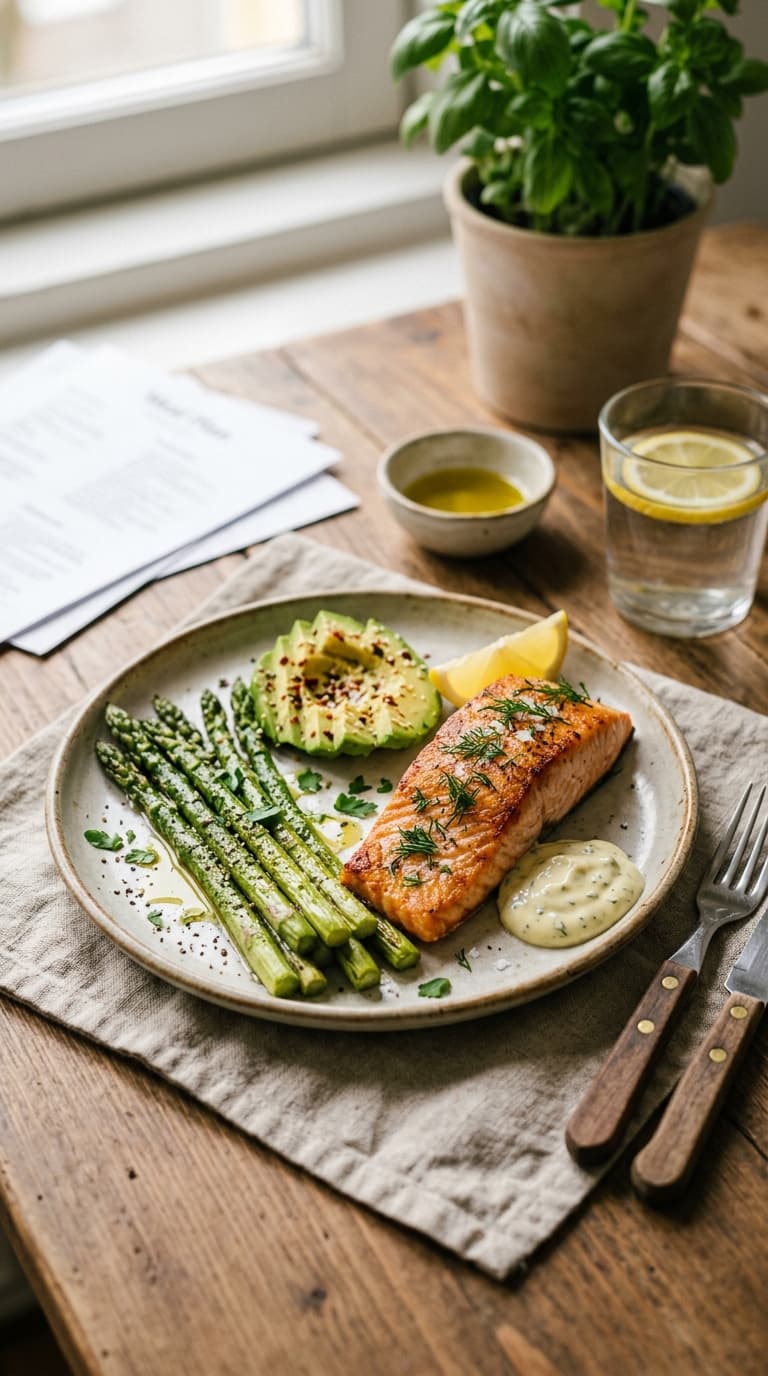
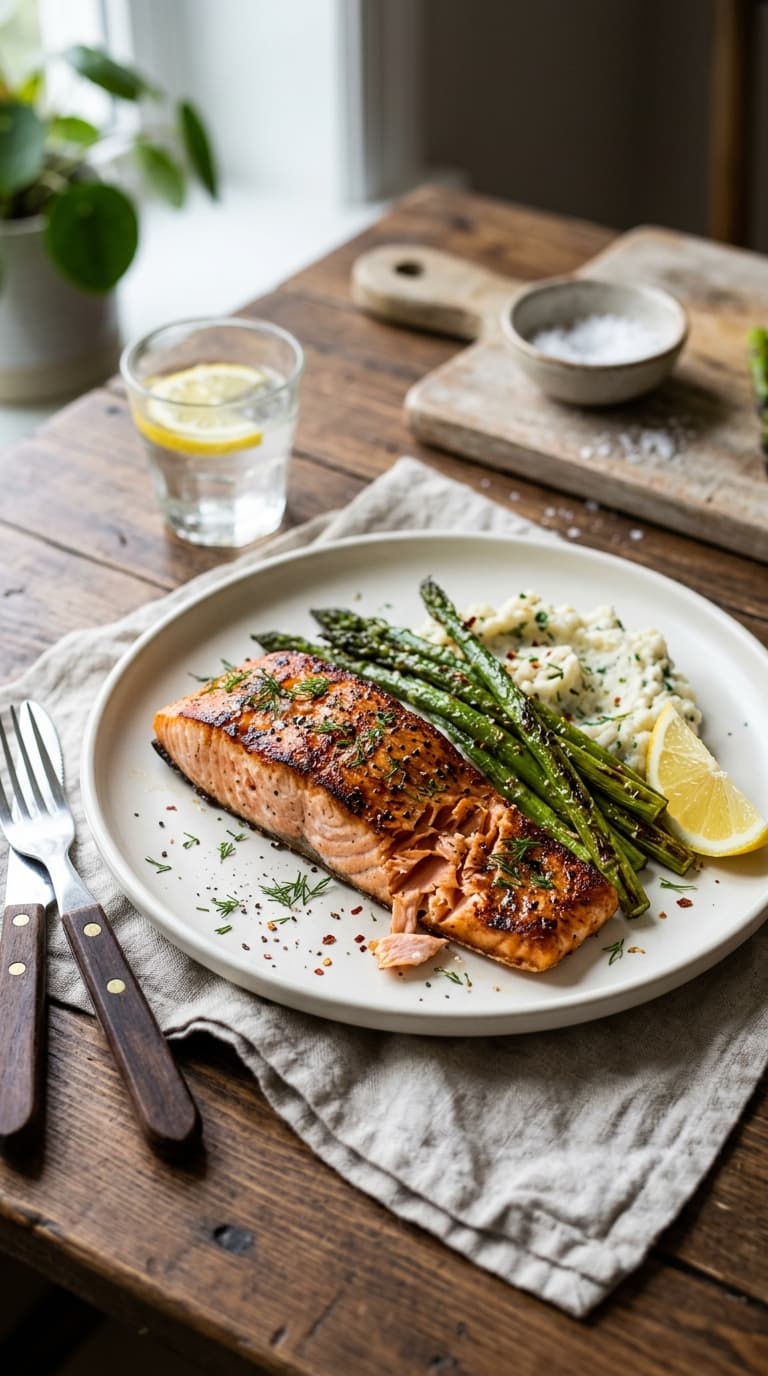
Meal 3 (7 PM): Baked salmon with roasted broccoli drizzled in olive oil and garlic.
Day 2
Meal 1 (12 PM): Keto egg muffins loaded with cheese, diced peppers, and sausage. Make a batch — they reheat beautifully.
Meal 2 (3–4 PM): Full-fat Greek yogurt (unsweetened) with a handful of walnuts and a few blueberries.
Meal 3 (7 PM): Ground beef stir-fry with zucchini, mushrooms, and soy sauce over cauliflower rice.
Day 3
Meal 1 (12 PM): Avocado stuffed with canned salmon, a drizzle of olive oil, salt, and pepper.
Meal 2 (3–4 PM): Cheese and charcuterie snack plate — salami, cheddar, olives, and cucumber slices.
Meal 3 (7 PM): Chicken thighs roasted with herbs and butter, served alongside creamed spinach.
Day 4
Meal 1 (12 PM): Two-egg omelet with brie, sun-dried tomatoes, and fresh basil.
Meal 2 (3–4 PM): Bone broth (great for electrolytes!) with a small handful of macadamia nuts.
Meal 3 (7 PM): Keto beef bowl — ground beef cooked with taco seasoning (check the label for hidden carbs!), served over shredded lettuce with sour cream, salsa, and shredded cheese.
Day 5
Meal 1 (12 PM): Smoked salmon with cream cheese, capers, and sliced cucumber.
Meal 2 (3–4 PM): Celery sticks with almond butter and a sprinkle of sea salt.
Meal 3 (7 PM): Pork belly with roasted asparagus and a side of garlic butter mushrooms.
Day 6
Meal 1 (12 PM): Keto pancakes made with almond flour, cream cheese, and eggs — top with a small amount of sugar-free maple syrup.
Meal 2 (3–4 PM): Hard-boiled eggs (3) with a side of full-fat cheese slices.
Meal 3 (7 PM): Garlic butter shrimp over zucchini noodles with parmesan.
Day 7
Meal 1 (12 PM): Bacon and egg salad over arugula with olive oil and lemon dressing.
Meal 2 (3–4 PM): A small bowl of mixed nuts (almonds, pecans, macadamias) — keep portions in check, nuts are sneaky with calories.
Meal 3 (7 PM): Roasted whole chicken thighs with cauliflower mash and steamed green beans with butter.
Meal Prep Tips to Keep You on Track
The number one reason people fall off keto IF? They open the fridge at noon starving and have nothing ready. Don’t let that be you. A little Sunday prep goes a long way.
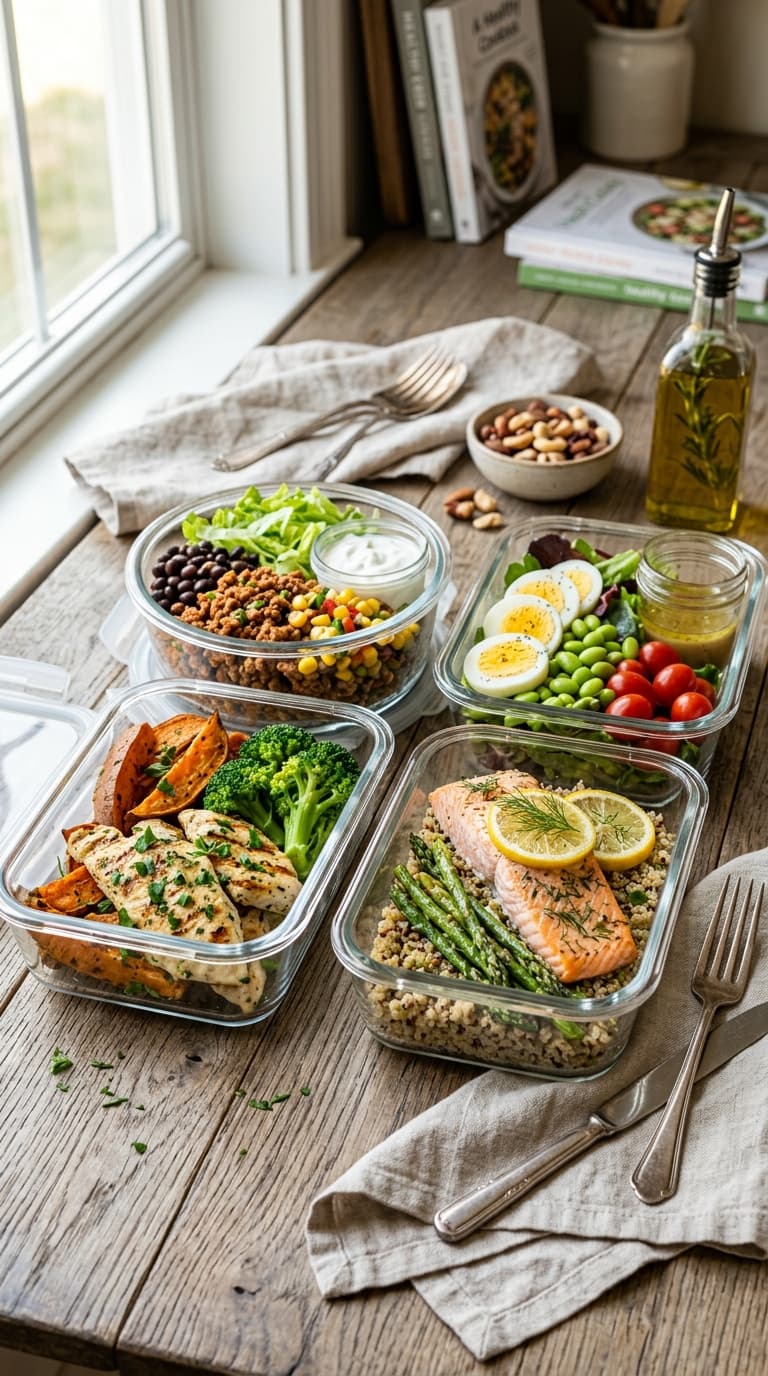
Here’s what I prep every week:
- Hard-boil a dozen eggs — instant protein for any meal
- Cook ground beef in bulk — season it plain and add flavors later
- Batch-roast veggies — broccoli, zucchini, and asparagus all store well for 4–5 days
- Make egg muffins — they’re essentially portable omelets you can grab fast
- Pre-portion nuts and snacks — because the bag is not a single serving 🙂
If you want to stretch your budget while prepping, check out these cheap low-calorie meals for meal prep — some of these ideas work brilliantly in a keto framework with simple swaps.
What to Drink During Your Fast
This is one of the most-asked questions, and honestly, people overthink it. During your fasting window, you can have:
- Water (obviously — drink a lot of it)
- Black coffee — yes, plain black, no sugar, no cream
- Plain herbal or green tea — unsweetened only
- Sparkling water — plain or naturally flavored, no sweeteners
- Electrolyte drinks — zero-calorie, zero-sugar options only
FYI — staying hydrated on keto is extra important because your body flushes more water when glycogen stores are depleted. Add a pinch of salt to your water or sip on bone broth to keep electrolytes balanced.
For more ideas on what to sip while staying on track, this list of low-calorie drinks that support weight loss has some solid keto-friendly options.
Managing the First Week (The Dreaded Keto Flu)
Let’s be real — the first 3–5 days on keto IF can feel rough. You might experience headaches, fatigue, brain fog, or irritability. This is the infamous keto flu, and it happens because your body is switching fuel sources and losing electrolytes rapidly.
Here’s how to push through it:
- Salt your food generously — sodium is your best friend right now
- Take magnesium and potassium supplements — or eat foods rich in both (avocados, leafy greens, nuts)
- Stay hydrated — aim for at least 2–3 liters of water per day
- Don’t cut calories too hard — eat enough fat to feel satisfied during your window
- Rest more — your body is doing a lot of behind-the-scenes work
The keto flu usually passes within a week. After that, most people report feeling better than they did before — sharper, more energized, and way less hungry between meals. Push through, it’s worth it.
Keto IF and Exercise — What You Need to Know
Ever wondered if working out fasted on keto is a good idea? The answer is: it depends. Light to moderate exercise (walks, yoga, low-intensity cycling) tends to work great in a fasted state on keto. Your body taps directly into fat stores for fuel.
Heavy strength training or high-intensity workouts are a different story. Some people do fine; others feel flat and weak. If you lift heavy, try scheduling your workout right before your eating window opens so you can refuel immediately after.
Keep your protein intake solid — aim for 0.7–1g per pound of body weight — especially if you’re training, to protect muscle mass. For high-protein meal inspiration that supports both goals, these high-protein low-calorie meals for weight loss can help you hit your numbers without overthinking it.
Common Keto IF Mistakes to Avoid
If you’re not seeing results, one of these is probably why:
- Eating too much protein — excess protein converts to glucose through gluconeogenesis, kicking you out of ketosis
- Ignoring hidden carbs — sauces, dressings, and condiments are carb landmines
- Not eating enough fat — this is keto, fat is your fuel, not your enemy
- Breaking the fast accidentally — yes, that flavored creamer counts
- Skipping electrolytes — this tanks your energy and makes the experience miserable
- Being too aggressive too soon — jumping straight into OMAD as a beginner is a fast track to quitting
Free Printable Keto IF Meal Plan
Want to print this and stick it on your fridge? Here’s a simplified version you can save and print:
Days 1–7 | 16:8 Eating Window | 12 PM – 8 PM
| Day | Meal 1 (12 PM) | Meal 2 (3–4 PM) | Meal 3 (7 PM) |
|---|---|---|---|
| Mon | Scrambled eggs + bacon + avocado | Tuna lettuce wraps | Baked salmon + broccoli |
| Tue | Keto egg muffins | Greek yogurt + walnuts | Beef stir-fry + cauli rice |
| Wed | Stuffed avocado with salmon | Charcuterie plate | Herb chicken + creamed spinach |
| Thu | Brie omelet | Bone broth + macadamia nuts | Keto taco beef bowl |
| Fri | Smoked salmon + cream cheese | Celery + almond butter | Pork belly + asparagus |
| Sat | Keto almond pancakes | Hard-boiled eggs + cheese | Garlic shrimp + zucchini noodles |
| Sun | Bacon egg salad | Mixed nuts | Roasted chicken + cauli mash |
Print this out, hang it up, and actually follow it for the full week. Consistency is what makes this work.
Final Thoughts
Keto intermittent fasting isn’t a fad — it’s a metabolic strategy that genuinely works when you stick to it. The combination of ketosis and fasting creates an environment where your body wants to burn fat, hunger becomes manageable, and energy stabilizes in a way that’s hard to explain until you’ve felt it yourself.
The first week is the hardest. After that, most people wonder why they didn’t start sooner. Give it a full 7 days before you judge it — your body needs time to adapt.
Grab the free printable above, prep your fridge this weekend, and give keto IF a real shot. And if you’re looking for more inspiration for filling, lower-calorie meals that complement this lifestyle, these filling low-calorie meals for weight loss are worth a look too.
You’ve got everything you need. Now go make it happen.