7-Day Hormone Balancing Meal Plan For Women For Women
7-Day Hormone Balancing Meal Plan For Women
Let’s be real — your hormones run the show. Mood swings, stubborn belly fat, exhaustion at 2pm, craving chocolate like it’s your actual job… sound familiar? If your body feels like it’s working against you, your hormones might just be sending out an SOS. And here’s the thing — what you eat has a massive impact on how balanced (or chaotic) your hormones feel every single day.
I’ve been down that road of trying every quick fix, only to realize the answer was sitting in my kitchen the whole time. This 7-day hormone balancing meal plan isn’t about restriction or eating like a rabbit. It’s about giving your body the right fuel so everything — your energy, your mood, your metabolism — can actually work the way it’s supposed to.
Why Hormones Go Out of Whack in the First Place
Before we jump into the food, let’s talk about why hormones go haywire. Your body produces over 50 different hormones, and they’re all chatting with each other constantly. When one goes off script, the whole system feels it.
Common hormone disruptors include:
- High sugar and processed food intake
- Chronic stress (hello, cortisol)
- Poor sleep
- Skipping meals or extreme calorie restriction
- Lack of healthy fats and fiber
The good news? You can influence all of these through food. And no, you don’t have to give up everything you love. FYI — this plan is about adding in the good stuff, not obsessing over the “bad” stuff.
The Hormone-Balancing Foods You Need to Know
Certain foods are basically hormone heroes. They support estrogen metabolism, keep cortisol in check, fuel your thyroid, and keep blood sugar steady — which is the foundation of everything.
Key foods to focus on:
- Cruciferous vegetables (broccoli, cauliflower, Brussels sprouts) — help metabolize excess estrogen
- Healthy fats (avocado, olive oil, nuts, seeds) — essential for hormone production
- Flaxseeds — rich in lignans that support estrogen balance
- Leafy greens — packed with magnesium, which calms the nervous system
- Fatty fish (salmon, sardines) — omega-3s reduce inflammation and support progesterone
- Complex carbs (sweet potato, oats, quinoa) — keep blood sugar stable instead of spiking
- Fermented foods (Greek yogurt, kefir, sauerkraut) — support gut health, which directly affects hormone regulation
If your diet has been light on these, don’t stress. That’s literally what this 7-day plan is here to fix. 🙂
The 7-Day Hormone Balancing Meal Plan
Day 1 — Reset and Replenish
Breakfast: Overnight oats with ground flaxseed, blueberries, and almond butter. Oats keep blood sugar steady and flaxseed is genuinely magic for estrogen balance. You can prep this the night before — check out these make-ahead breakfast ideas for the week if you like getting ahead.
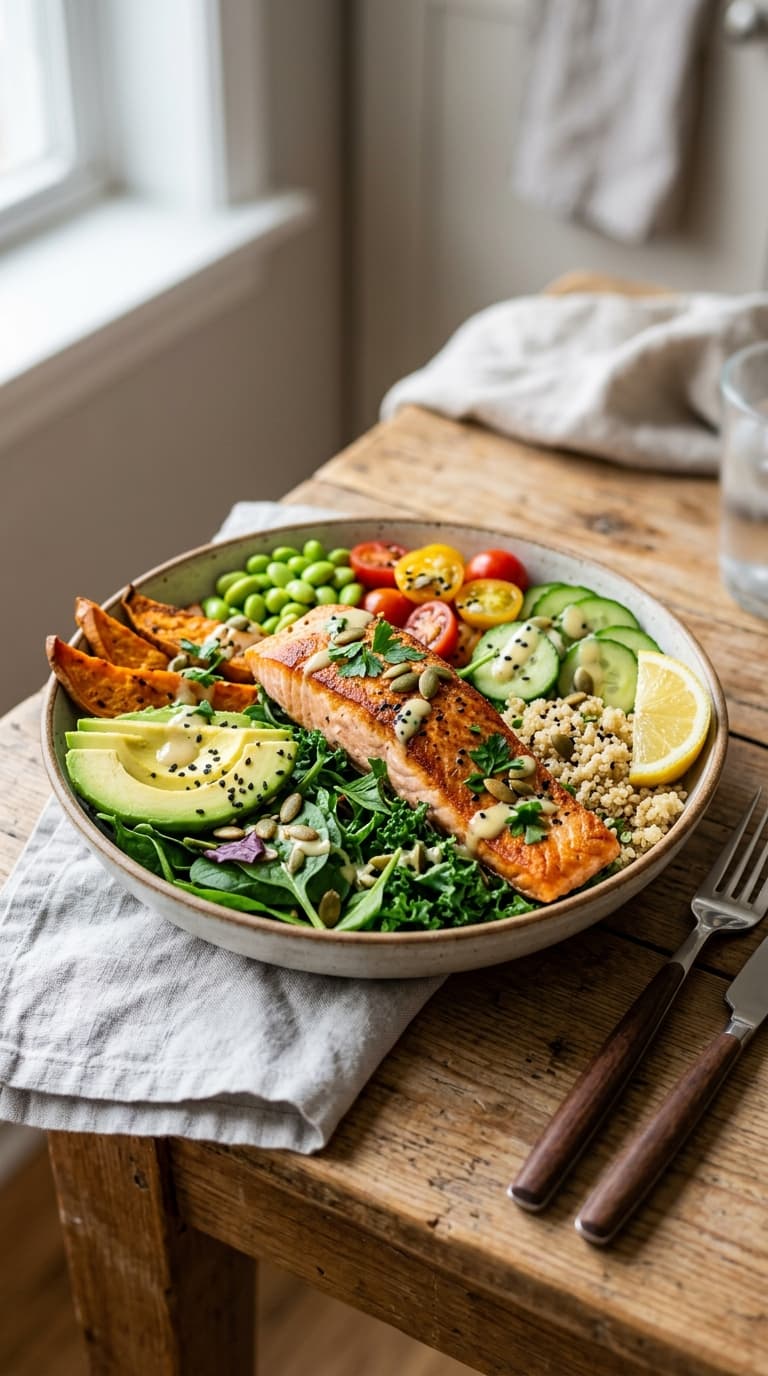
Lunch: Large leafy green salad with grilled salmon, avocado, cucumber, and a lemon-olive oil dressing.
Dinner: Baked sweet potato stuffed with black beans, sautéed spinach, and tahini drizzle.
Snack: A handful of walnuts and a small handful of pumpkin seeds.
Day 2 — Blood Sugar Stability Day
Blood sugar spikes and crashes are one of the biggest hormone disruptors that nobody talks about enough. When blood sugar crashes, cortisol rises — and elevated cortisol suppresses progesterone. It’s a whole domino effect that nobody asked for.
Breakfast: Two-egg veggie scramble with spinach, mushrooms, and cherry tomatoes cooked in olive oil. If you want more options that don’t feel boring, these high-protein calorie deficit breakfasts are a game-changer.
Lunch: Quinoa bowl with roasted chickpeas, shredded kale, diced beets, and tahini lemon dressing.
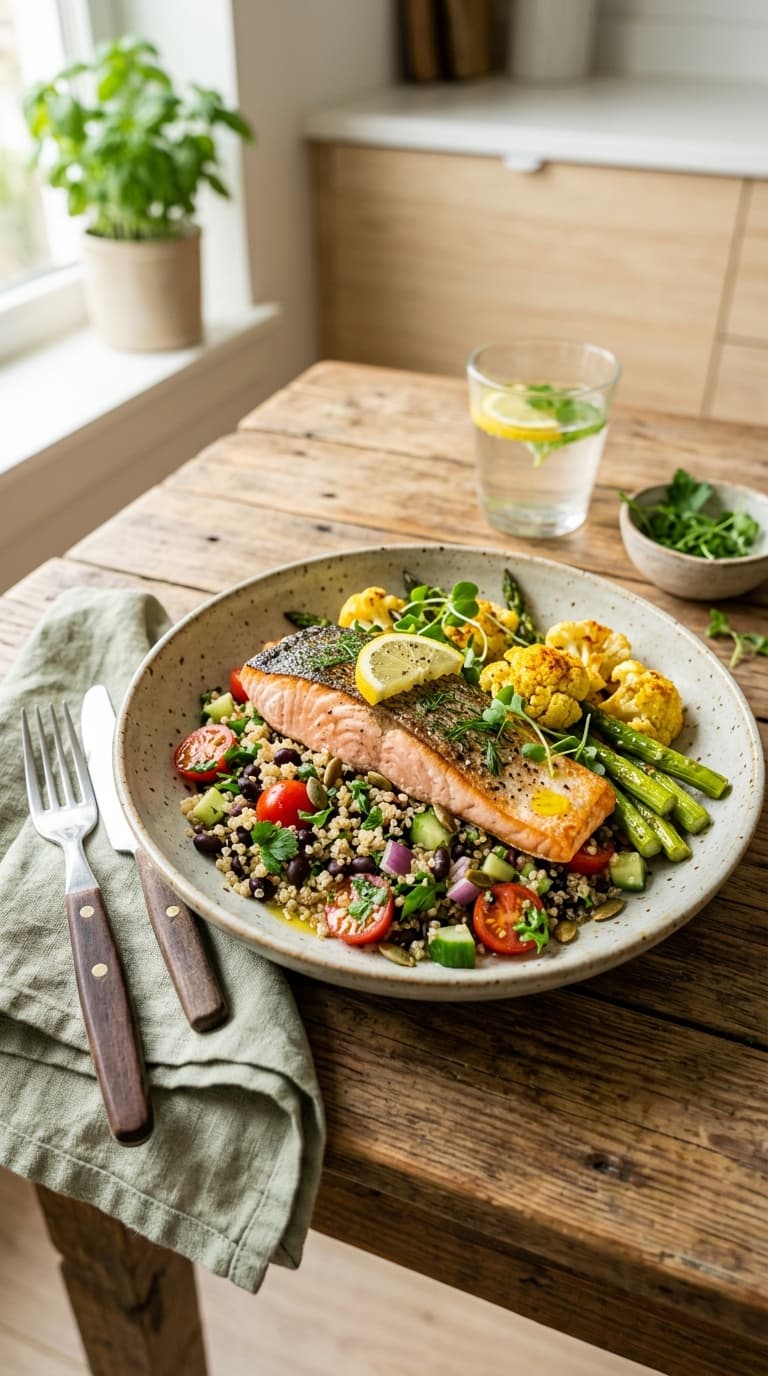
Dinner: Baked salmon with roasted broccoli and cauliflower, served with half a cup of brown rice.
Snack: Greek yogurt with a drizzle of honey and a sprinkle of ground flaxseed.
Day 3 — Gut Health Focus
Your gut and your hormones are deeply connected — this isn’t just wellness influencer talk, it’s actual biology. Your gut bacteria help process and eliminate excess hormones. If your gut isn’t functioning well, you end up reabsorbing estrogen your body was trying to get rid of. Not ideal.
Breakfast: Kefir smoothie blended with frozen mixed berries, a banana, spinach, and chia seeds. Love a good smoothie? These low-calorie smoothies under 250 calories are absolutely worth bookmarking.
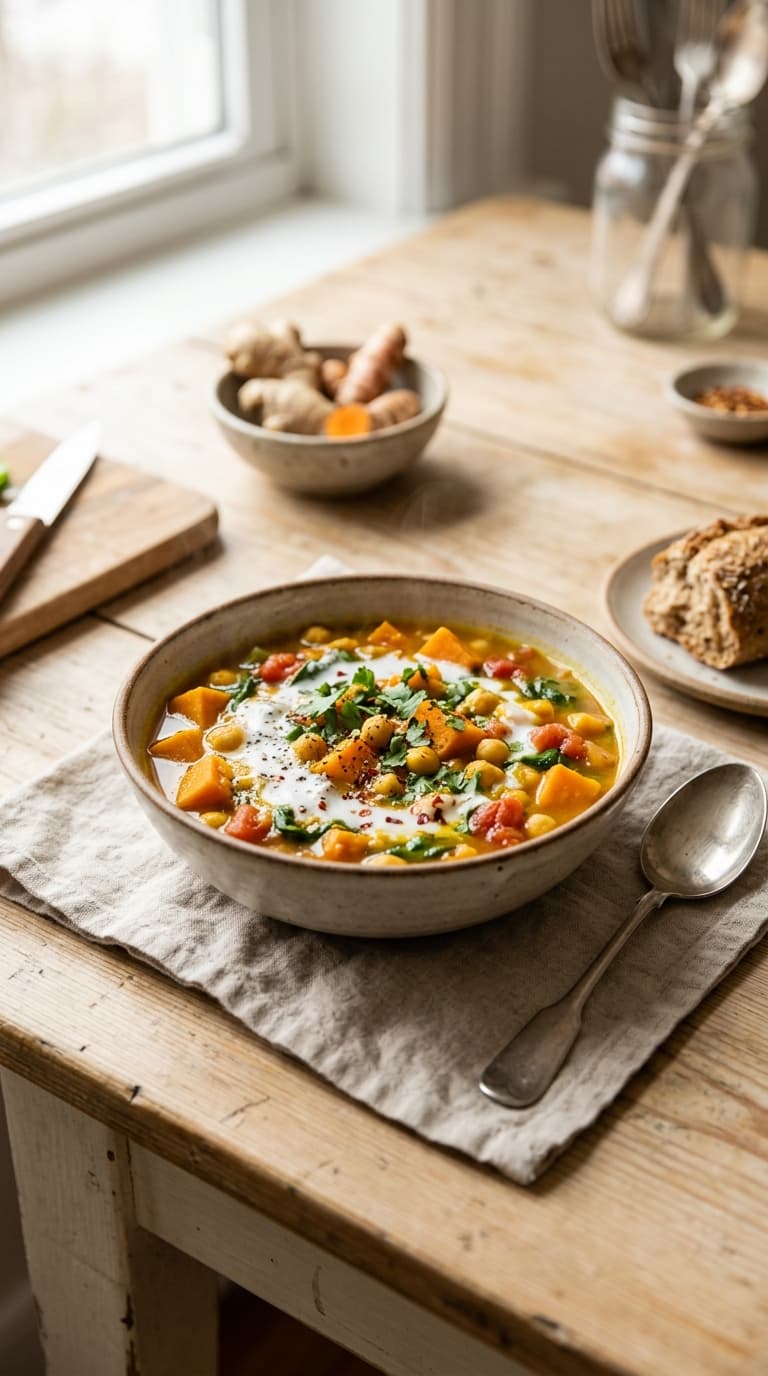
Lunch: Lentil soup with a generous side of sauerkraut and a slice of whole grain bread.
Dinner: Stir-fry with tempeh, bok choy, snap peas, and ginger-sesame sauce over brown rice noodles.
Snack: Sliced apple with almond butter.
Day 4 — Anti-Inflammatory Push
Inflammation is basically the villain behind most hormone problems. It interferes with insulin, cortisol, thyroid hormones — you name it. Day 4 is all about loading up on anti-inflammatory foods to give your system a proper reset.
Breakfast: Golden turmeric oat bowl with banana, chia seeds, walnuts, and a pinch of cinnamon.
Lunch: Mixed greens with grilled chicken, sliced avocado, shredded carrots, and an olive oil and apple cider vinegar dressing.
Dinner: Baked cod with roasted asparagus and a side of sweet potato mash. If you’re someone who likes keeping dinner simple and satisfying, these low-calorie dinners that actually fill you up are seriously helpful.
Snack: A small bowl of mixed berries with a tablespoon of coconut yogurt.
Day 5 — Thyroid Support Day
Your thyroid controls your metabolism, body temperature, and energy levels. Ever feel freezing cold all the time and exhausted even after a full night’s sleep? Your thyroid might need some love. Selenium and iodine are key minerals here — and they’re easy to get from food.
Breakfast: Scrambled eggs with smoked salmon, capers, and a slice of whole grain toast. Eggs provide selenium; salmon delivers iodine. Win-win.
Lunch: Sardine and avocado salad on whole grain crackers with sliced cucumber on the side. (Yes, sardines. IMO they’re underrated and you should try them at least once.)
Dinner: Chicken and vegetable soup loaded with carrots, celery, sweet potato, and spinach. Comforting, nourishing, and incredibly easy to prep ahead — similar to these low-calorie soups that keep you full for hours.
Snack: A small handful of Brazil nuts (literally just 2–3 — they’re packed with selenium).
Day 6 — Progesterone Support
Low progesterone is one of the most common hormone imbalances in women, especially during the second half of the menstrual cycle. Vitamin B6, zinc, and magnesium are all key players in progesterone production. Guess what? You can get all three through food.
Breakfast: Banana oat pancakes (just oats, banana, and egg blended together) topped with pumpkin seeds and a drizzle of maple syrup. Try these low-calorie breakfast recipes for more ideas that feel like a treat.
Lunch: Turkey and avocado wrap in a whole grain tortilla with spinach, tomato, and hummus.
Dinner: Grass-fed beef stir-fry with broccoli, bell peppers, and snap peas over cauliflower rice.
Snack: A small yogurt bowl with pumpkin seeds, sliced banana, and cinnamon. For more inspiration, these low-calorie yogurt bowls for weight loss are seriously creative.
Day 7 — Hormone Harmony Wrap-Up
By day 7, your body has been soaking in all that good nutrition. You’ve been supporting estrogen metabolism, blood sugar stability, thyroid function, progesterone production, gut health, and inflammation. Today is about celebrating that with a satisfying, nourishing day of eating.
Breakfast: Smoked salmon and avocado on whole grain toast, topped with a poached egg and a sprinkle of chili flakes.
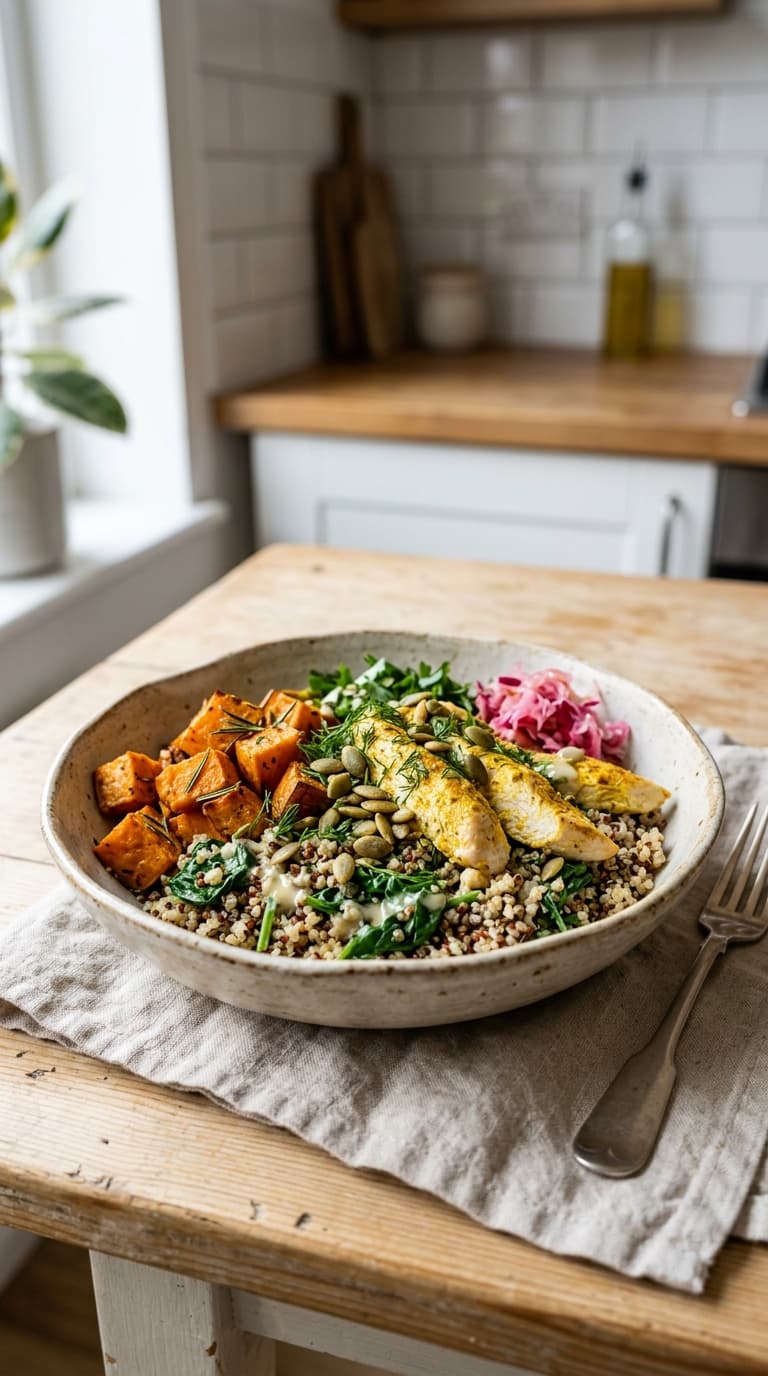
Lunch: Big grain bowl with farro, roasted butternut squash, arugula, toasted pumpkin seeds, and a balsamic glaze.
Dinner: Herb-baked chicken thighs with roasted Brussels sprouts and a side of mashed sweet potato with ghee.
Snack: Dark chocolate (70%+ cacao) with a small handful of almonds. Yes, chocolate. You’re welcome. :/
Tips to Make This Plan Actually Work
Here’s where most people trip up — they plan beautifully on Sunday and then Wednesday chaos hits and everything goes out the window. Been there.
A few things that genuinely help:
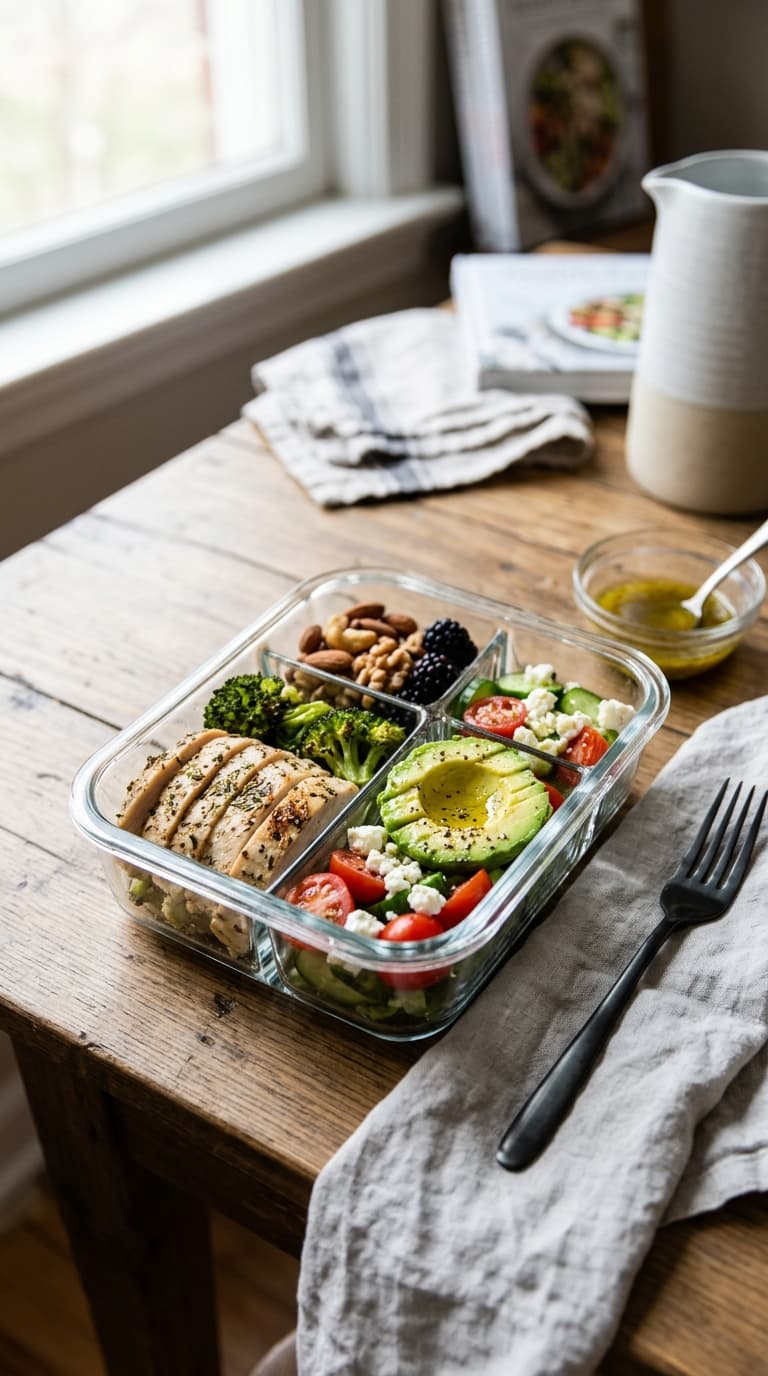
- Meal prep on Sundays. Wash and chop vegetables, cook a big batch of grains, pre-make overnight oats. These cheap low-calorie meals for meal prep make batch cooking so much easier.
- Keep healthy snacks visible. If walnuts and pumpkin seeds are on the counter, you’ll grab those instead of reaching for something processed.
- Drink enough water. Dehydration stresses your body and raises cortisol. Aim for at least 8 glasses a day. These low-calorie drinks that support weight loss make hydrating actually enjoyable.
- Don’t skip meals. Skipping meals spikes cortisol, crashes blood sugar, and sends your hormones into full panic mode. Keep eating regular, balanced meals.
- Prioritize sleep. Food does a lot, but poor sleep will undo a chunk of the work. Growth hormone and cortisol both depend heavily on your sleep quality.
What to Expect After 7 Days
Real talk — you probably won’t feel like a completely transformed human by day 8. Hormones take time to shift. But most women notice a few things within the first week:
- Less bloating (especially once gut health improves)
- More stable energy throughout the day
- Fewer intense sugar cravings
- Better mood — particularly less irritability
- Improved sleep quality
The longer you stick with these eating habits, the more dramatic the changes. Think of this 7-day plan as the launchpad, not the finish line.
Foods to Limit While Hormone Balancing
Look, nobody’s telling you to throw out your entire kitchen. But some foods actively work against hormone balance, and it helps to know what they are so you can be intentional.
Try to reduce:
- Refined sugar — spikes insulin and drives cortisol up
- Alcohol — taxes your liver, which processes excess estrogen
- Highly processed seed oils (canola, soybean, corn oil) — pro-inflammatory
- Conventional dairy — can contain added hormones; opt for organic if you eat dairy
- Caffeine overload — one or two cups is fine, but five cups will keep cortisol elevated all day
None of these are forever banned. Just worth being mindful about during your 7 days — and honestly, beyond.
A Note on Calories and Weight Loss
This plan focuses on hormone balance first, but when your hormones are working properly, weight loss often follows naturally. When cortisol drops, belly fat becomes easier to shift. When insulin is stable, your body stops storing everything as fat. When progesterone is adequate, you’re not retaining water every other week.
If you’re also working toward a calorie deficit, you can absolutely combine these two goals. These high-protein low-calorie meals that actually keep you full pair really well with hormone-balancing eating because protein also stabilizes blood sugar and supports hormone production. It’s genuinely one of the best combinations out there.
The Bottom Line
Your hormones don’t have to be the enemy. With the right food, the right nutrients, and a little bit of consistency, you can give your body what it needs to find its balance again.
This 7-day hormone balancing meal plan isn’t a magic cure — and anyone who tells you otherwise is selling something. But it is a genuinely powerful starting point that covers all the major hormonal bases: blood sugar, gut health, inflammation, thyroid support, and progesterone production.
Start with day one. Don’t overthink it. Eat the food, enjoy it, and pay attention to how your body responds. By the end of the week, you’ll have a much clearer picture of what works for your body — and that’s the real win here.
Your hormones have been working hard. Time to return the favor.