Anti-Inflammatory Meal Plan For Thyroid Health (Free Printable)
Anti-Inflammatory Meal Plan For Thyroid Health (Free Printable)
Your thyroid is doing a lot of heavy lifting — and most of us don’t even think about it until something goes wrong. If you’ve been feeling exhausted, foggy, puffy, or just off, your thyroid might be waving a little white flag. The good news? What you eat can make a real difference. And no, I’m not talking about some miserable detox that makes you want to cry into a bowl of celery sticks.
This anti-inflammatory meal plan for thyroid health is practical, delicious, and actually doable — even on a busy week. Let’s get into it.
Why Inflammation Is Your Thyroid’s Worst Enemy
Here’s the thing most people don’t realize: chronic inflammation is one of the biggest drivers behind thyroid dysfunction, especially autoimmune conditions like Hashimoto’s and Graves’ disease. When your immune system stays in a constant state of alert, it starts misfiring — and your thyroid often takes the hit.
Think of inflammation like a slow leak in your tire. You might not notice it right away, but eventually, you’re sitting on the side of the road wondering what went wrong. The same thing happens inside your body when inflammatory foods pile up day after day.
The goal of an anti-inflammatory eating approach isn’t to restrict everything fun. It’s to flood your body with foods that calm the immune system, protect the thyroid, and give it the nutrients it actually needs to function.
The Thyroid-Inflammation Connection (The Short Version)
Your thyroid produces hormones — T3 and T4 — that regulate your metabolism, energy, mood, and about a million other things. When inflammation disrupts this process, your hormone levels go haywire.
Autoimmune thyroid disease, particularly Hashimoto’s thyroiditis, involves the immune system attacking thyroid tissue. Reducing inflammation doesn’t cure autoimmune disease, but research consistently shows it can reduce antibody levels, ease symptoms, and improve overall quality of life.
So yeah — what you eat really does matter here.
Foods To Eat (Your Thyroid Will Thank You)
The Anti-Inflammatory All-Stars
Load up on these as often as possible. They’re the backbone of any good thyroid-supportive eating plan:
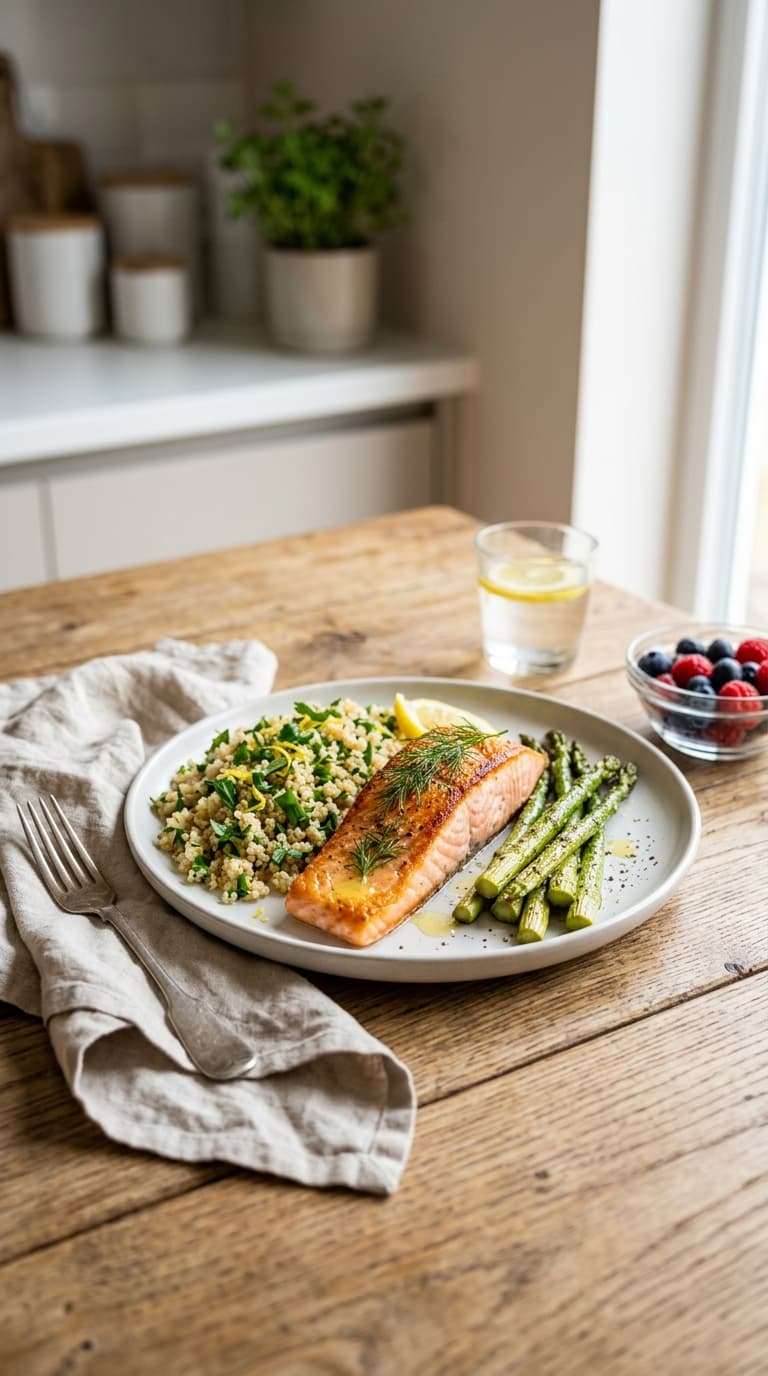
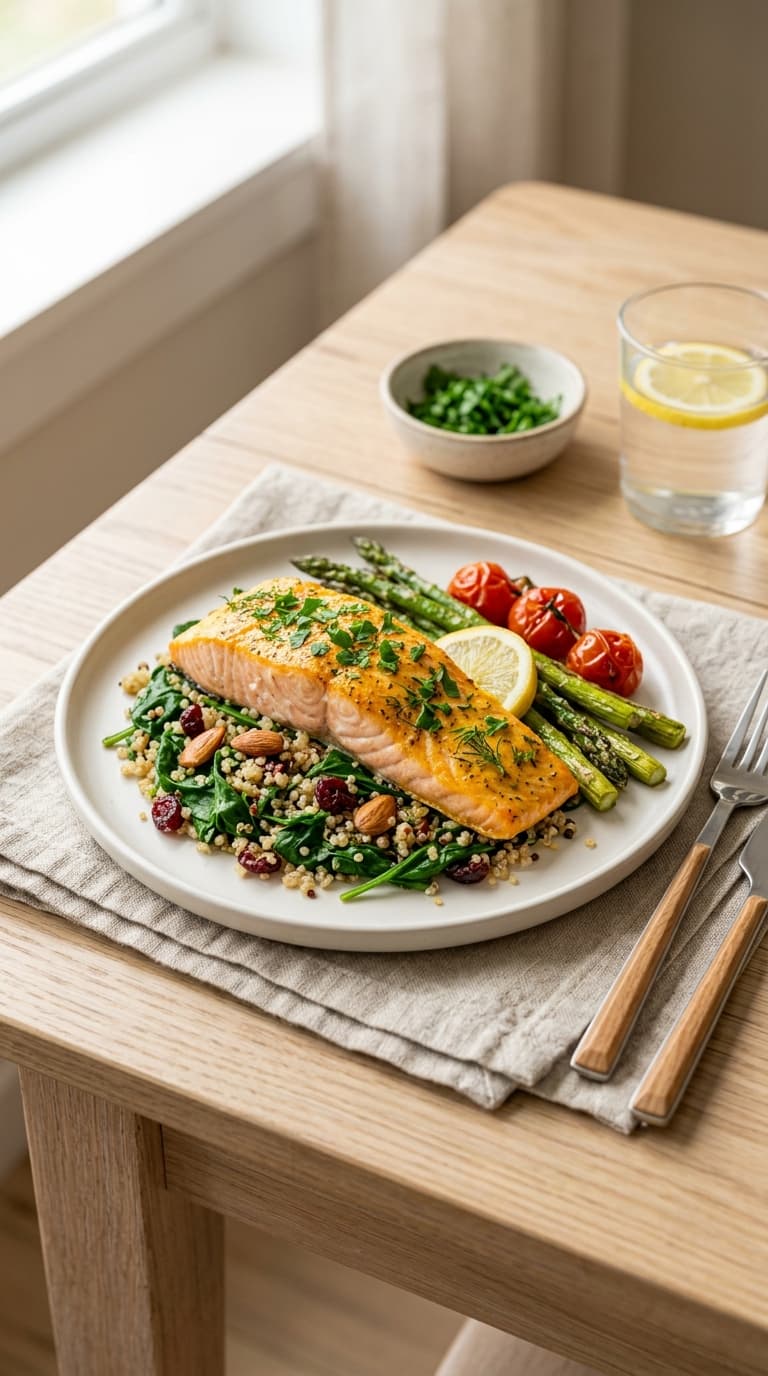
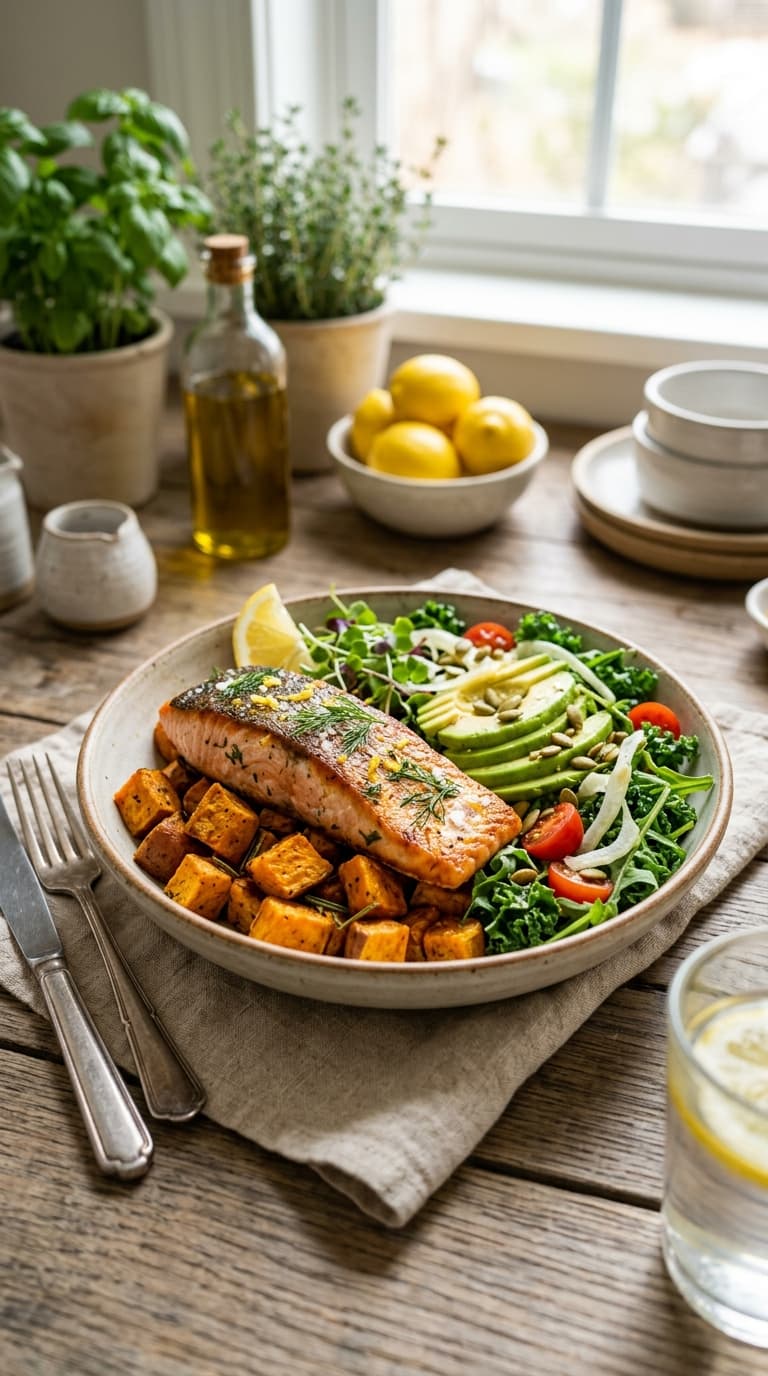
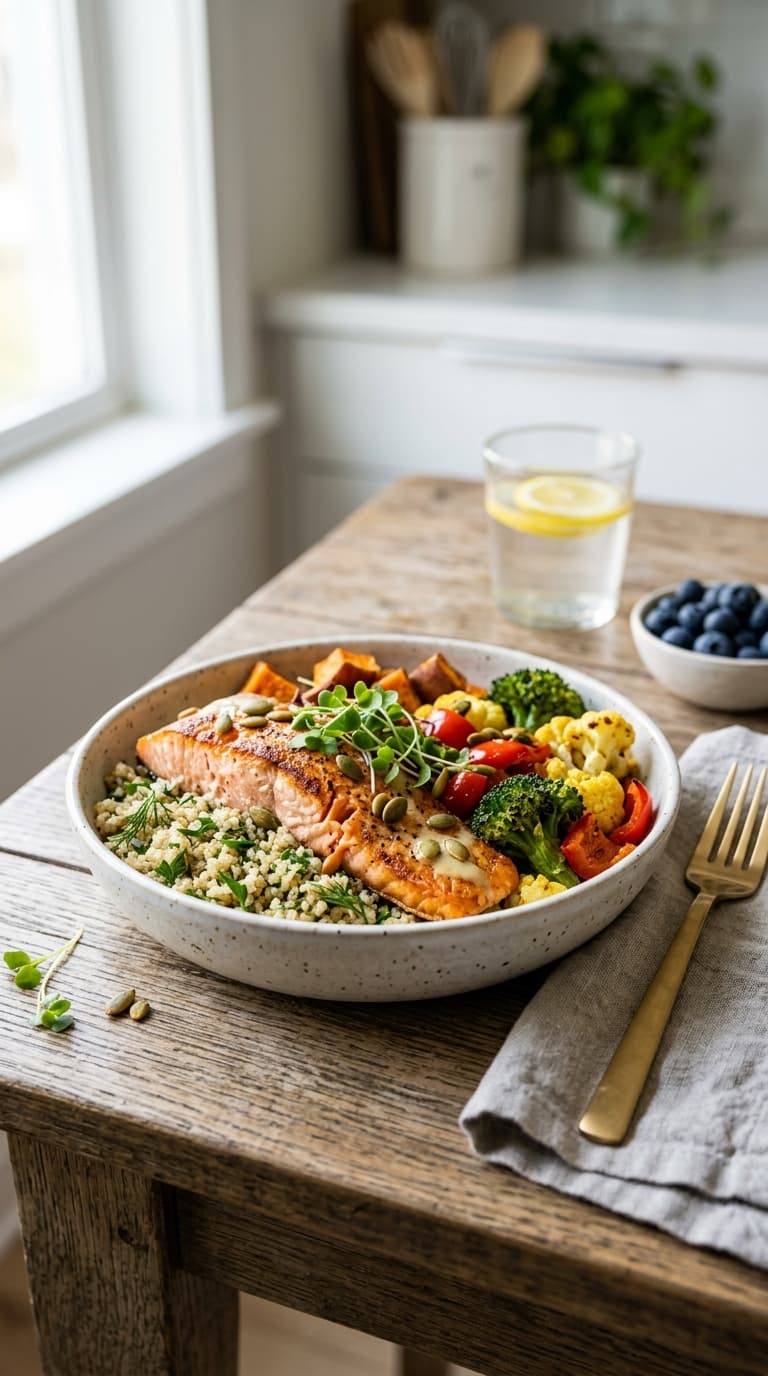
- Fatty fish (salmon, sardines, mackerel) — packed with omega-3 fatty acids that actively reduce inflammation
- Leafy greens (spinach, kale, Swiss chard) — rich in antioxidants and magnesium
- Colorful vegetables (bell peppers, beets, sweet potatoes, carrots)
- Berries (blueberries, strawberries, raspberries) — high in polyphenols
- Olive oil — one of the most well-researched anti-inflammatory fats out there
- Nuts and seeds (especially Brazil nuts for selenium — more on that in a second)
- Turmeric and ginger — these two are practically anti-inflammatory royalty
Key Nutrients Your Thyroid Specifically Needs
This is where thyroid health gets a little more specific than general anti-inflammatory eating. Your thyroid depends on a handful of nutrients to actually make hormones:
- Iodine — found in seaweed, fish, and dairy (but more isn’t always better — balance is key)
- Selenium — critical for converting T4 to the active T3 form. Brazil nuts are your best friend here; just 1–2 a day does the job
- Zinc — found in beef, pumpkin seeds, chickpeas
- Iron — especially important if you have Hashimoto’s, since iron deficiency worsens thyroid function
- Vitamin D — low vitamin D is strongly associated with autoimmune thyroid disease. Get your levels checked if you haven’t already
Gut Health Matters More Than You Think
Ever heard the saying “all disease begins in the gut”? It might be a little overstated, but there’s a real connection between gut health and thyroid function. A compromised gut lining can trigger or worsen autoimmune responses. That means probiotic and prebiotic foods deserve a spot on your plate:
- Yogurt (plain, full-fat if possible)
- Kefir
- Sauerkraut and kimchi
- Garlic, onions, leeks (prebiotic foods that feed good gut bacteria)
If you want to really dig into this, check out this 7-day gut healing plan with high-fiber recipes — it pairs beautifully with a thyroid-focused approach.
Foods To Limit (Or Skip For Now)
IMO, this section stresses people out more than it should. You don’t need to be perfect. But if you’re dealing with active thyroid symptoms, these are worth pulling back on:
- Gluten — controversial, but many people with Hashimoto’s report significant symptom improvement on a gluten-free diet. Worth a 30-day trial
- Processed sugar — feeds inflammation fast
- Refined vegetable oils (canola, soybean, corn oil) — high in omega-6 fatty acids that promote inflammation
- Ultra-processed foods — anything that comes in a crinkly bag with 40 ingredients
- Excessive soy — soy contains goitrogens, compounds that can interfere with thyroid hormone production, especially when consumed in large amounts
- Raw cruciferous vegetables in excess — broccoli, cauliflower, and Brussels sprouts are healthy, but raw and in huge quantities they can affect thyroid function. Cooking reduces this effect significantly
Your Anti-Inflammatory Thyroid Meal Plan (7 Days)
Here’s a full week of eating to get you started. Each day is balanced for nutrients your thyroid loves, low in inflammatory foods, and — most importantly — food you’ll actually want to eat. 🙂
Day 1
- Breakfast: Scrambled eggs with spinach and avocado, topped with a drizzle of olive oil
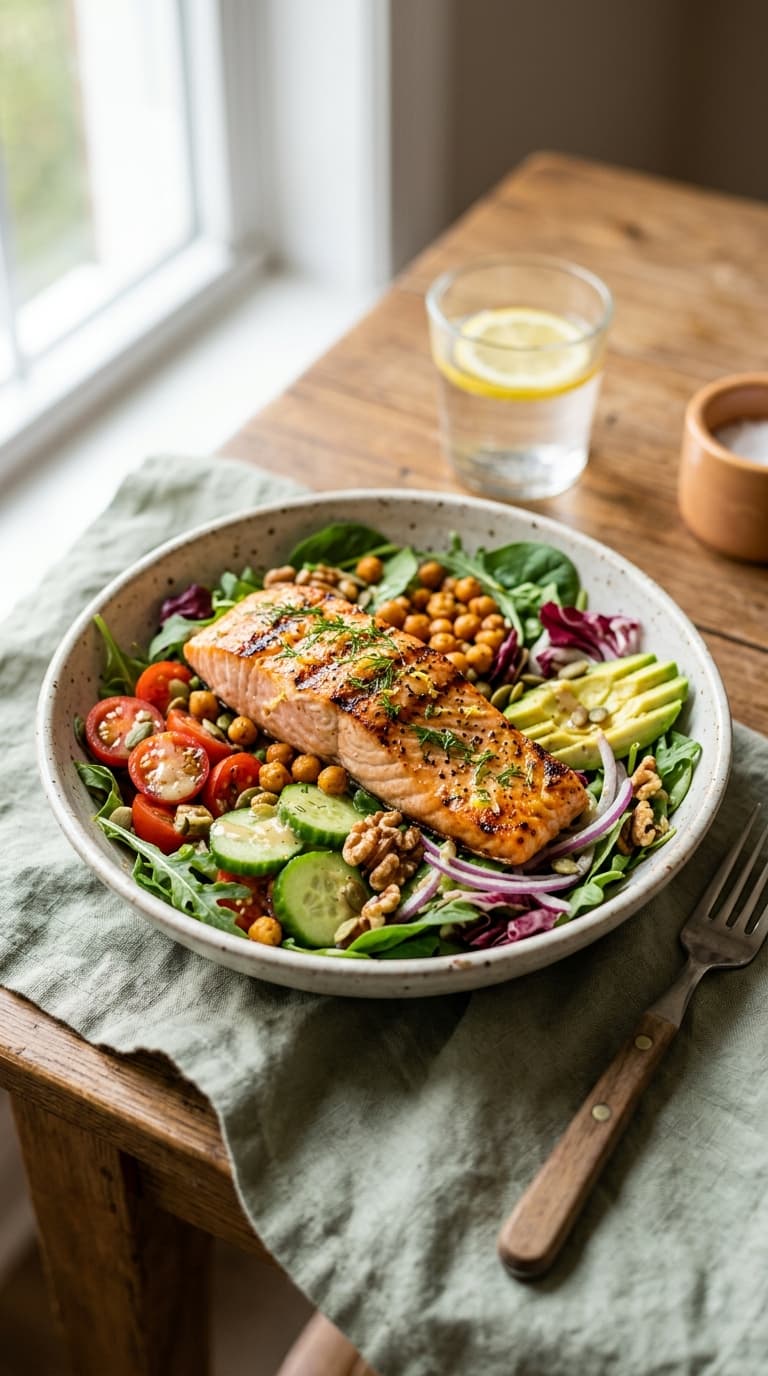
- Lunch: Grilled salmon salad with mixed greens, cucumber, bell pepper, and lemon-tahini dressing
- Dinner: Baked chicken thighs with roasted sweet potato and steamed broccoli (lightly cooked!)
- Snack: A small handful of Brazil nuts + blueberries
Day 2
- Breakfast: Full-fat Greek yogurt with mixed berries and a sprinkle of pumpkin seeds
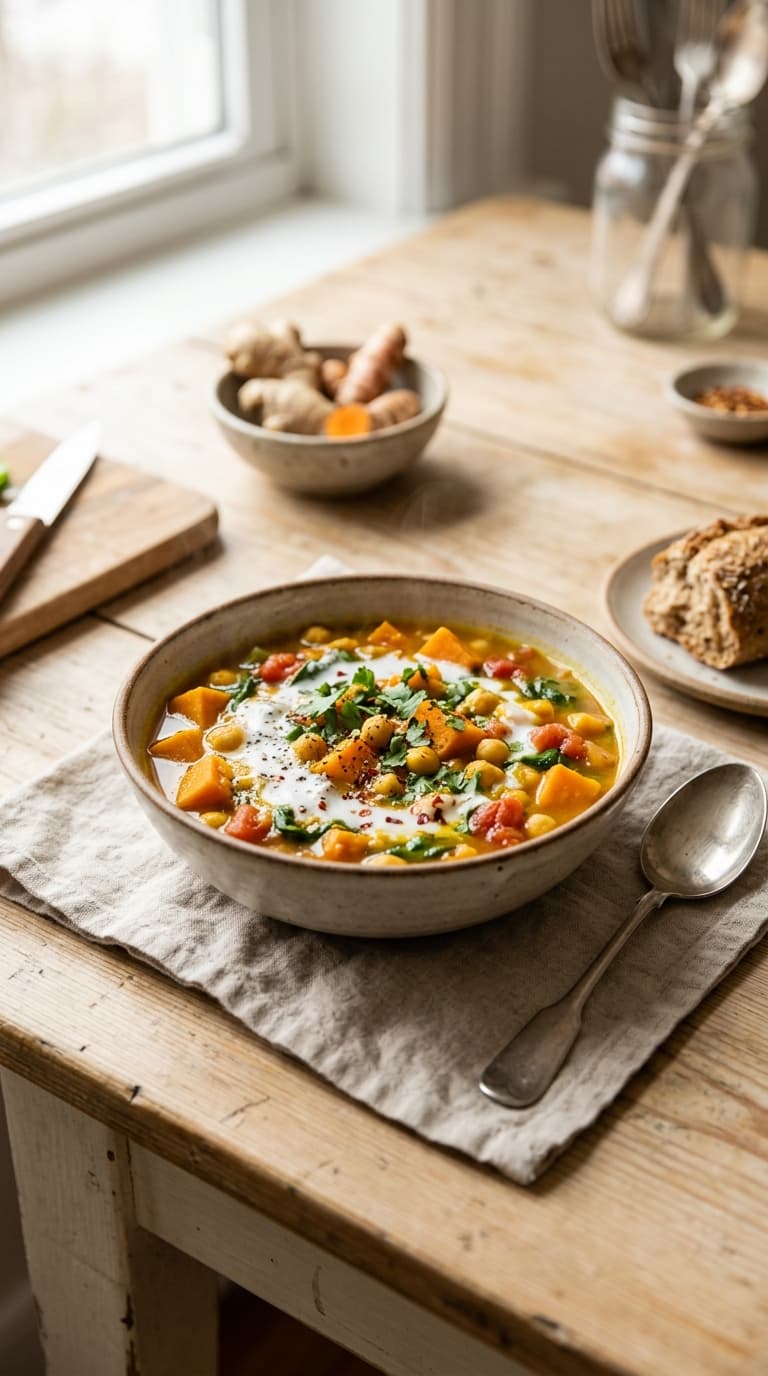
- Lunch: Lentil soup with turmeric and ginger, served with a side of leafy greens
- Dinner: Grass-fed ground beef stir-fry with zucchini, bell peppers, and coconut aminos over cauliflower rice
- Snack: Celery sticks with almond butter
Day 3
- Breakfast: Anti-inflammatory smoothie — spinach, frozen mango, ginger, turmeric, coconut milk, and a scoop of collagen
- Lunch: Sardines on gluten-free crackers with sliced avocado and cucumber
- Dinner: Baked wild salmon with asparagus and a side salad dressed in olive oil and apple cider vinegar
- Snack: Kefir with a few walnuts
Day 4
- Breakfast: Two eggs any style + sautéed kale with garlic and olive oil
- Lunch: Turkey and veggie lettuce wraps with shredded carrots, cucumber, and a drizzle of sesame oil
- Dinner: Slow-cooker chicken soup with bone broth, carrots, celery, and fresh herbs
- Snack: Sliced apple with cashew butter
Day 5
- Breakfast: Chia seed pudding made with coconut milk, topped with raspberries and hemp seeds
- Lunch: Roasted veggie and chickpea bowl with arugula, roasted beets, and lemon olive oil dressing
- Dinner: Pan-seared mackerel with sautéed Swiss chard and roasted garlic cauliflower mash
- Snack: A small handful of mixed seeds and a few squares of dark chocolate (70%+ cacao)
Day 6
- Breakfast: Grain-free banana pancakes (banana + eggs + cinnamon) with a dollop of coconut yogurt
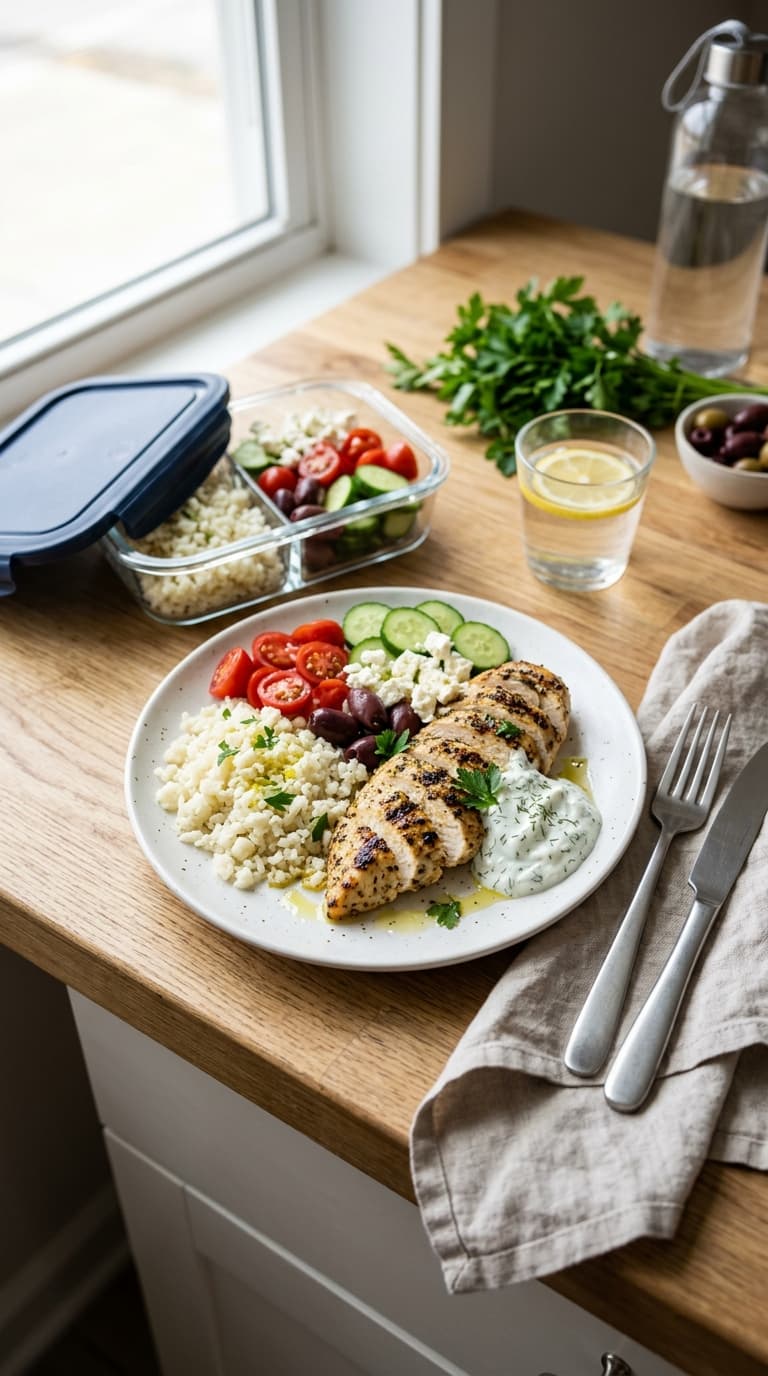
- Lunch: Big Greek salad with olives, cucumber, tomatoes, and grilled shrimp
- Dinner: Stuffed bell peppers with ground turkey, quinoa, diced veggies, and tomato sauce
- Snack: Sliced veggies with hummus
Day 7
- Breakfast: Smoked salmon and avocado on gluten-free toast with everything bagel seasoning
- Lunch: Leftover stuffed peppers or a big hearty bowl of whatever you’ve got in the fridge (meal prep win!)
- Dinner: Herb-roasted chicken with root vegetables and a simple green salad
- Snack: Brazil nuts, pumpkin seeds, and a small orange
Meal Prep Tips So You Actually Stick To This
Let’s be real — even the best meal plan goes sideways if you’re not prepared. Here’s how to make this week work without spending your entire Sunday in the kitchen:
Batch cook on Sunday:
- Roast a big tray of mixed vegetables
- Cook a large pot of soup or bone broth
- Hard boil a batch of eggs
- Grill or bake a few salmon fillets
Stock your pantry with:
- Good olive oil
- Coconut aminos (a soy-free soy sauce alternative)
- Canned sardines and salmon (wildly underrated, FYI)
- Frozen berries
- Turmeric and ginger (fresh or dried)
- Bone broth
If you love the idea of streamlined, prep-friendly meals, these 18 low-carb freezer meals for easy prep are a great complement to your thyroid-friendly week — especially if things get hectic.
Hormone Balance and Thyroid Health Go Hand In Hand
Here’s something a lot of people don’t connect right away: your thyroid doesn’t work in isolation. It’s in constant communication with your adrenal glands, sex hormones, and blood sugar regulation. If one system is struggling, the others feel it.
Eating to support your thyroid also means keeping your blood sugar stable (no wild spikes and crashes) and supporting overall hormone balance. This 7-day hormone balancing meal plan for women is a great resource if you feel like hormonal imbalance is part of your picture — it works really well alongside an anti-inflammatory approach.
And if you’re looking at a longer-term approach to building the habit, the 21-day anti-inflammatory meal plan for beginners gives you a full three weeks of structure to work with.
What About Supplements?
Food first — always. But some people with thyroid conditions genuinely benefit from targeted supplementation. A few worth discussing with your doctor:
- Selenium (if you’re not eating Brazil nuts regularly)
- Vitamin D3 + K2 (especially if your levels are low — and most people’s are)
- Magnesium glycinate — helps with sleep, stress, and inflammation
- Omega-3 fish oil — if fatty fish isn’t a regular part of your diet
- Ashwagandha — an adaptogen that may help reduce thyroid antibodies, though research is still developing here
Always get your thyroid labs done before starting supplements, and loop in a healthcare provider who understands functional nutrition. Some supplements can actually interfere with thyroid medication if the timing or dosage is off.
Anti-Inflammatory Snacking Done Right
Snacking tends to be where good intentions go to die. You’re tired, you’re busy, the crackers are right there. Sound familiar? :/
Here are some thyroid-friendly snacks that take zero effort but still move the needle:
- Brazil nuts + dark chocolate
- Hard-boiled eggs with sea salt
- Avocado with lemon and pink salt
- Blueberries with full-fat coconut yogurt
- Smoked salmon on cucumber slices
For more ideas that actually fight inflammation rather than feed it, this list of 20 anti-inflammatory snacks for weight loss has some genuinely great options that work double-duty.
Tracking Progress: What To Look For
When you start eating this way consistently, what should you actually notice? Managing expectations matters here — you won’t wake up after three days feeling like a completely different person (wouldn’t that be nice, though).
In the first 1–2 weeks:
- Better digestion
- Slightly more stable energy
- Less bloating
In weeks 3–4:
- Improved sleep quality
- Less brain fog
- Reduced joint pain or puffiness
At the 6–8 week mark:
- Many people start noticing changes in thyroid antibody levels (this is the one to track with your doctor)
- Better mood stability
- Clothes fitting differently
This is a long game. The 30-day anti-inflammatory meal plan for women is a fantastic next step once you’ve nailed this first week — it gives you the structure to keep building momentum.
The Free Printable Meal Plan
Want to print this out and stick it on your fridge like the organized, thyroid-supporting superstar you are? Grab the printable version of this 7-day plan — it’s formatted cleanly with a grocery list included so you can hit the store without standing in the aisle second-guessing yourself.
What’s included in the printable:
- Full 7-day meal plan laid out by breakfast, lunch, dinner, and snack
- Complete grocery list organized by category
- Quick-reference list of thyroid-supportive foods to prioritize
- Foods to limit or avoid for 30 days
Print it, save it to your phone, or share it with someone who needs it. The more the merrier.
Wrapping It Up
Here’s the bottom line: your thyroid needs specific nutrients, a calm immune environment, and consistent support — and food is one of the most powerful tools you have to provide all three. This isn’t about following a rigid diet forever. It’s about building a baseline of eating that works with your body instead of against it.
Start with one week. See how you feel. Let your energy, your digestion, and your overall sense of functioning like a human being guide you from there. And if you want to go deeper into the connection between what you eat and how your whole body feels, the 7-day blood sugar friendly meals for energy plan and this guide on 15 high-fiber anti-inflammatory meals that actually taste good are both worth bookmarking.
Your thyroid has been working hard for you. Time to return the favor.