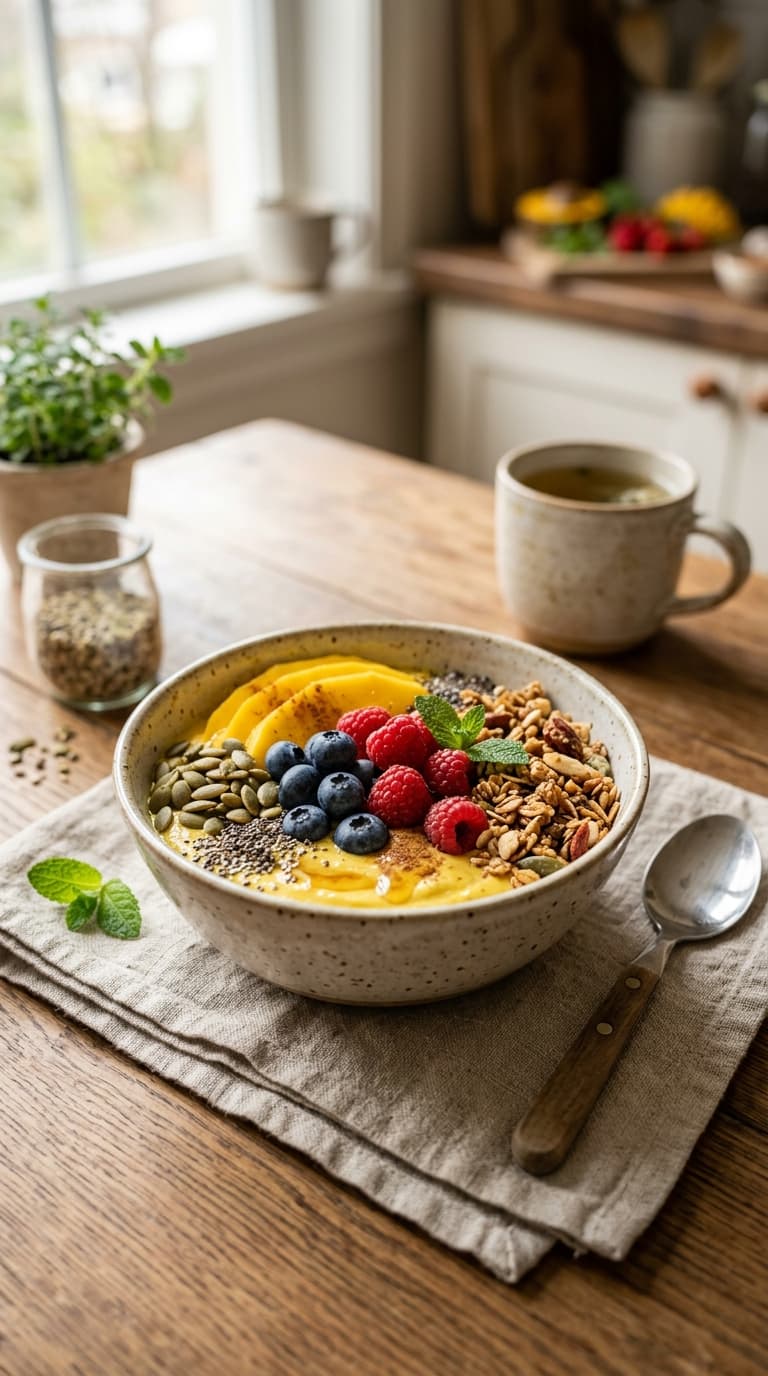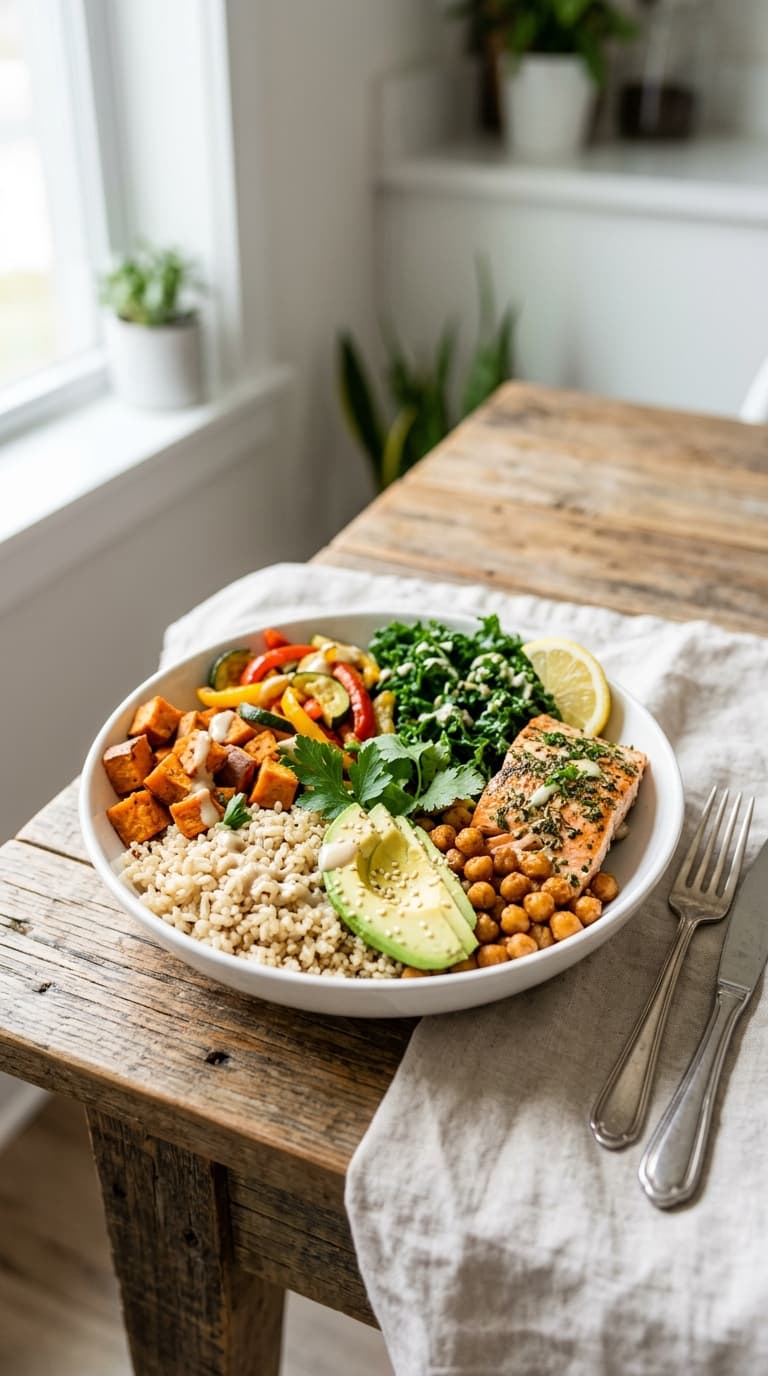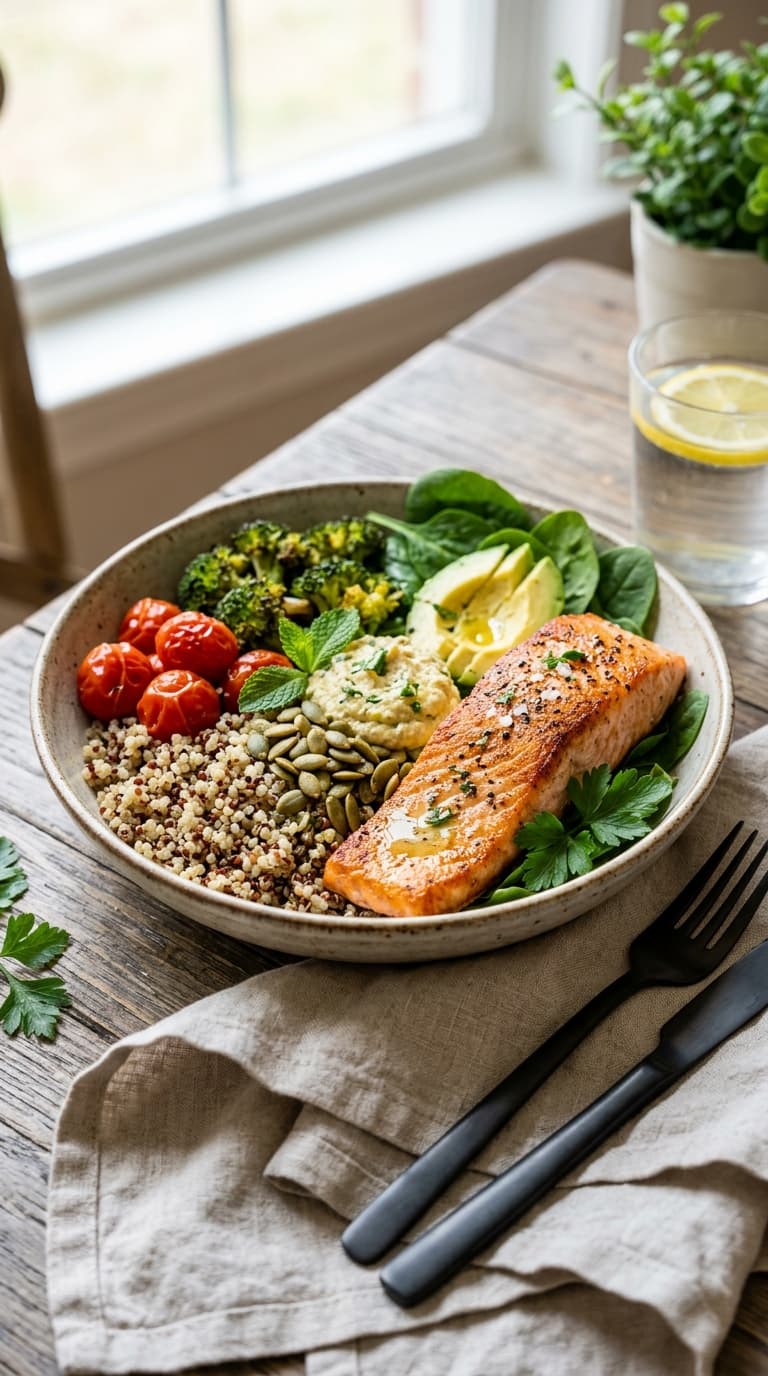
PCOS Meal Plan — Anti-Inflammatory And Low Sugar That Actually Work
PCOS Meal Plan — Anti-Inflammatory And Low Sugar That Actually Work
If you have PCOS, you already know the struggle is very real. Your body seems to work against you at every turn — stubborn weight, energy crashes, cravings that hit like a freight train, and a hormonal rollercoaster that never really stops. And then someone tells you to “just eat healthy” like that’s some kind of groundbreaking advice. Thanks, super helpful. :/
Here’s the thing though — food genuinely does move the needle with PCOS. Not in a magical overnight way, but in a real, sustainable, your-body-actually-starts-cooperating kind of way. I’ve spent a lot of time figuring out what works, what doesn’t, and what’s just Instagram noise. So let’s talk about a PCOS meal plan that’s actually anti-inflammatory, low sugar, and — most importantly — something you can stick to without losing your mind.
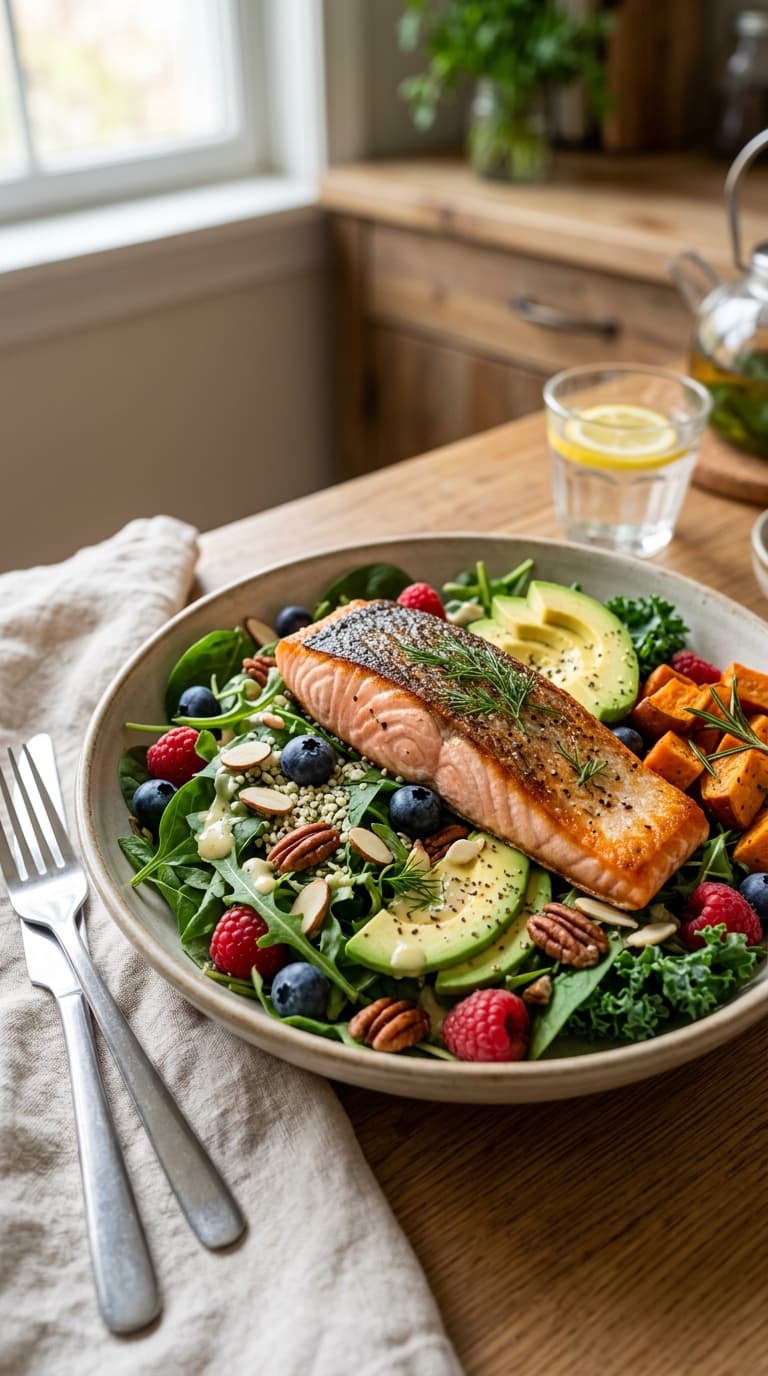
Why Anti-Inflammatory And Low Sugar Even Matter With PCOS
Before we get into the food, let’s quickly cover the why — because understanding it makes it so much easier to commit.
PCOS and inflammation go hand in hand. Most women with PCOS have chronic low-grade inflammation happening in their bodies, which makes symptoms worse and can drive insulin resistance. And insulin resistance? That’s the reason so many of us deal with weight gain, sugar cravings, and energy crashes even when we feel like we’re doing everything right.
When you lower inflammation and stabilize blood sugar, your body stops being in a constant state of stress. Hormones start to balance out — slowly, yes, but noticeably. Your energy levels improve, your cravings become manageable, and your body actually starts responding to your efforts instead of fighting you.
The goal isn’t perfection. It’s consistency. That’s what this meal plan is built around.
The Foundation: What To Eat And What To Skip
Foods That Work For PCOS
Think of these as your ride-or-dies:
- Leafy greens — spinach, kale, arugula. Anti-inflammatory, low calorie, and they bulk up any meal without spiking blood sugar.
- Fatty fish — salmon, sardines, mackerel. Loaded with omega-3s that actively fight inflammation.
- Berries — blueberries, strawberries, raspberries. Low sugar, high antioxidant, and genuinely delicious.
- Cruciferous vegetables — broccoli, cauliflower, Brussels sprouts. These help with estrogen metabolism, which is a big deal with PCOS.
- Legumes — lentils, chickpeas, black beans. High fiber, plant-based protein, and they keep blood sugar stable.
- Whole grains — quinoa, oats, brown rice. Slower to digest than refined carbs, which means no dramatic sugar spike.
- Nuts and seeds — walnuts, flaxseeds, chia seeds. Healthy fats and magnesium, which many PCOS sufferers are deficient in.
- Olive oil — your best friend for cooking and dressing. Anti-inflammatory and heart-healthy.
- Turmeric and ginger — these aren’t just for chai. Both are powerful natural anti-inflammatories.
Foods To Seriously Cut Back On
No one’s saying never, but these are the ones that tend to wreck PCOS symptoms:
- Refined sugar and sugary drinks — they spike insulin fast and hard
- White bread, white rice, white pasta — refined carbs with very little fiber
- Processed snacks and fast food — loaded with inflammatory seed oils and hidden sugar
- Dairy (for some women) — can increase androgens and worsen acne; worth testing how your body responds
- Alcohol — messes with hormones and liver function, both of which matter a lot with PCOS
FYI, you don’t have to be perfect here. The 80/20 rule is your friend — aim to eat well most of the time and give yourself grace the rest.
A Sample 7-Day PCOS Meal Plan
Let’s get into the actual food, because that’s why you’re here. This plan focuses on anti-inflammatory, low-sugar meals that are also practical enough for real life.
Day 1
Breakfast: Greek yogurt (unsweetened) with blueberries, chia seeds, and a drizzle of almond butter
Lunch: Big spinach salad with grilled salmon, avocado, cucumber, and olive oil lemon dressing
Dinner: Stir-fried tofu with broccoli, snap peas, and brown rice — seasoned with tamari, garlic, and ginger
Snack: A small handful of walnuts and a few strawberries
Day 2
Breakfast: Veggie omelette with spinach, bell peppers, and a sprinkle of feta — served with a slice of whole grain toast
Lunch: Lentil soup with turmeric, cumin, and a big side of steamed greens — check out these low-calorie soups under 200 calories for more cozy ideas
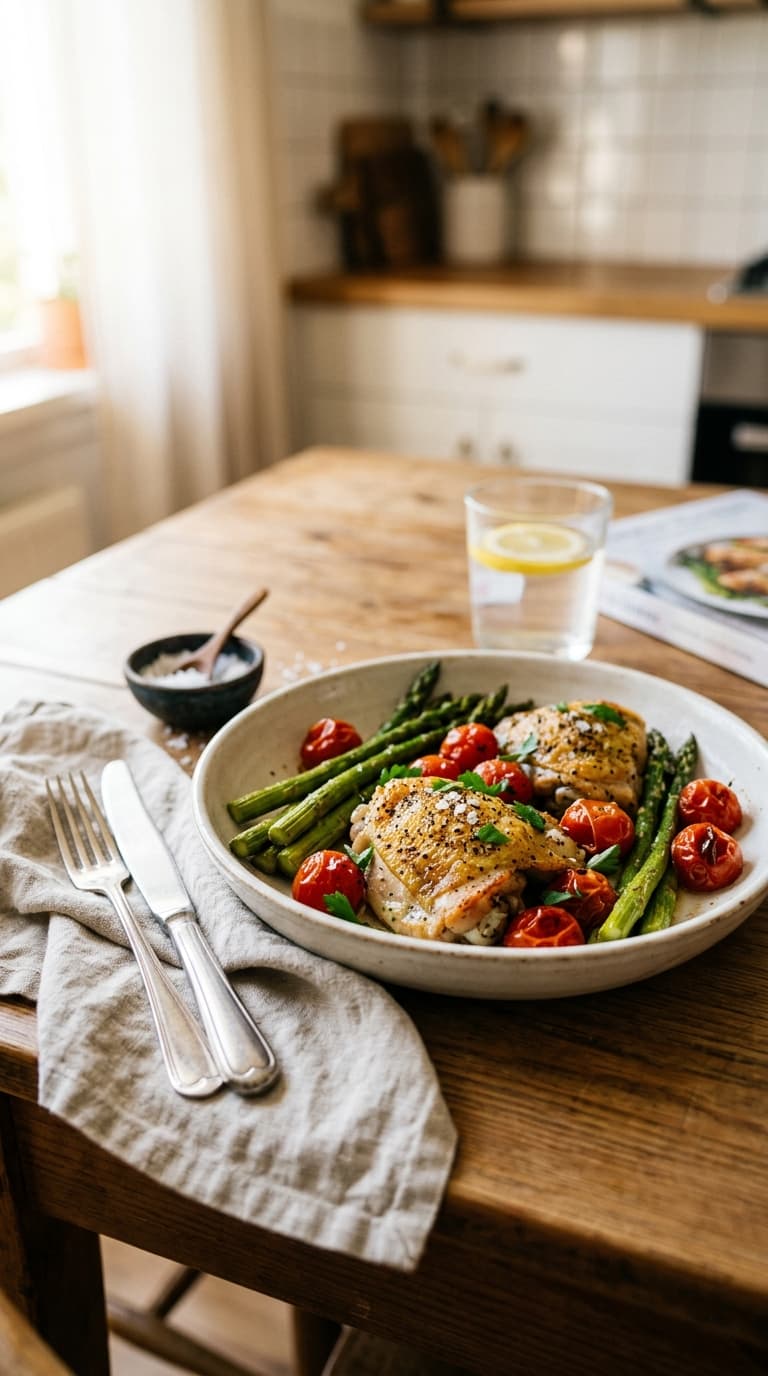
Dinner: Baked chicken thighs with roasted sweet potato and asparagus
Snack: Apple slices with almond butter
Day 3
Breakfast: Overnight oats made with unsweetened almond milk, flaxseeds, raspberries, and a tiny bit of honey
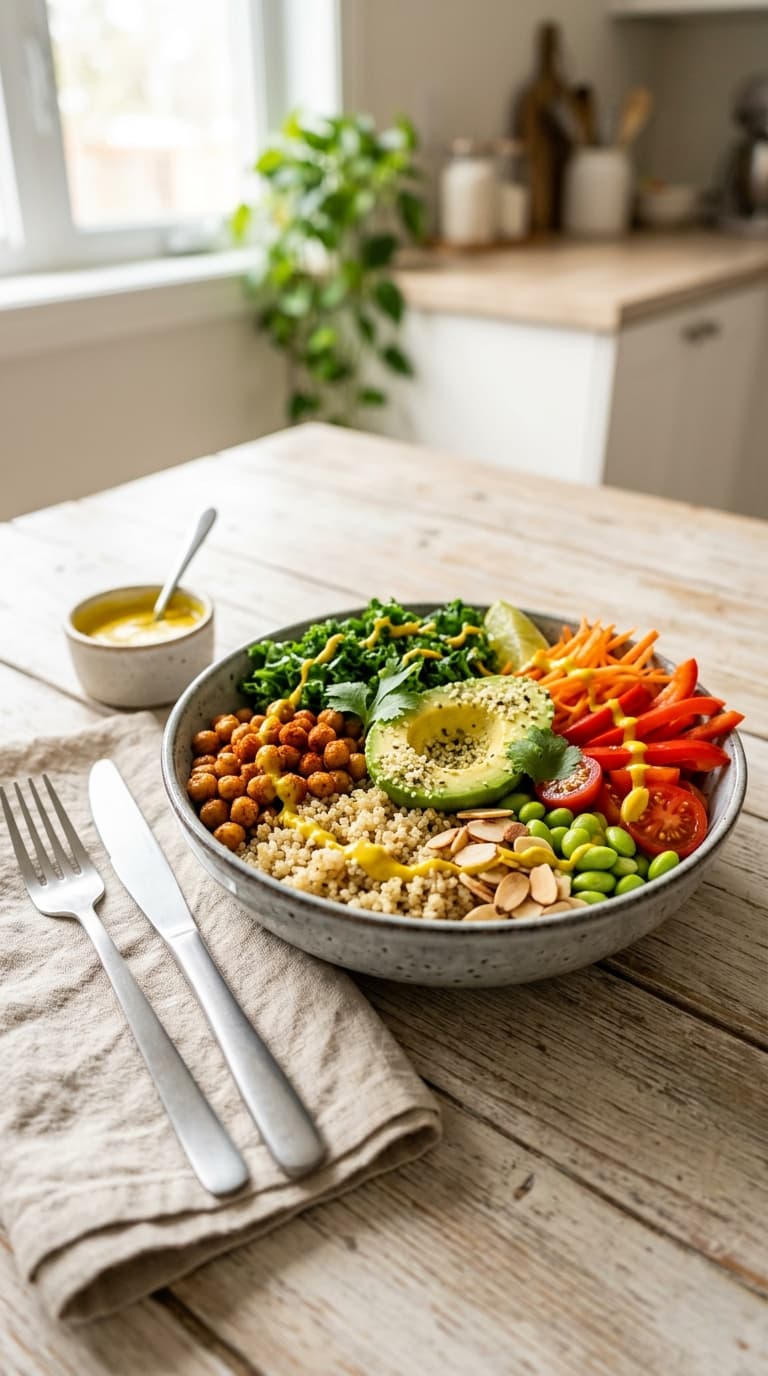
Lunch: Quinoa bowl with roasted chickpeas, cucumber, tomatoes, olives, and tahini dressing
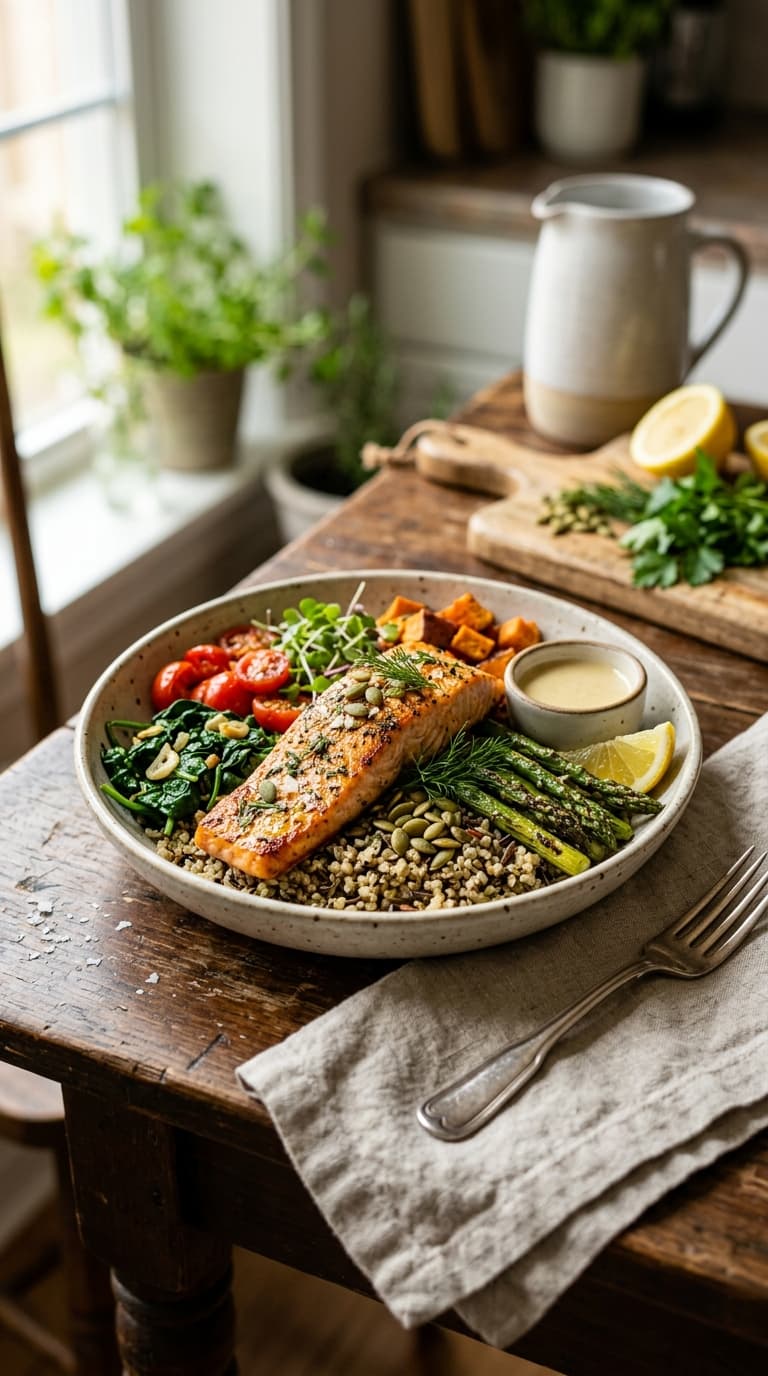
Dinner: Sheet pan salmon with zucchini, cherry tomatoes, and bell peppers — simple, fast, and genuinely satisfying
Snack: Cucumber slices with hummus
Day 4
Breakfast: Smoothie with unsweetened almond milk, frozen spinach, frozen berries, protein powder, and a tablespoon of chia seeds
Lunch: Turkey lettuce wraps with avocado, shredded carrots, and a little sriracha
Dinner: Ground turkey and vegetable stir-fry over cauliflower rice
Snack: A boiled egg and a handful of cherry tomatoes
Day 5
Breakfast: Scrambled eggs with sautéed mushrooms and kale on the side
Lunch: Big chopped salad with grilled chicken, black beans, corn (small amount), avocado, and salsa as dressing
Dinner: Baked cod with a side of roasted broccoli and a small serving of lentils
Snack: A small handful of mixed nuts
Day 6
Breakfast: Chia pudding made the night before with coconut milk, topped with sliced kiwi and pumpkin seeds
Lunch: Zucchini noodles with homemade marinara sauce and lean ground beef or turkey
Dinner: Turmeric chicken soup — this one is a personal favorite and genuinely feels like it heals you from the inside out
Snack: Plain rice cakes with avocado and a pinch of sea salt
Day 7
Breakfast: Protein pancakes made with oat flour, banana, and eggs — topped with fresh berries instead of syrup
Lunch: Mediterranean-style bowl with quinoa, roasted veggies, grilled shrimp, and tzatziki
Dinner: Slow-cooked beef and vegetable stew with lots of herbs and anti-inflammatory spices
Snack: Sliced bell peppers with guacamole
Meal Prep Tips So You Actually Stick To This
Here’s where most people fall off — the plan sounds great but the execution gets messy. Meal prepping even just a few basics ahead of time can completely change how consistent you are.
Batch cook your grains and proteins on Sundays. Cook a big pot of quinoa or brown rice, grill a few chicken breasts, and roast a tray of vegetables. These become the building blocks for fast weekday meals. If you want affordable ideas that don’t require hours in the kitchen, this list of cheap low-calorie meals for meal prep is genuinely helpful.
Pre-portion your snacks. Having nuts, cut veggies, and hard-boiled eggs ready to grab means you’re far less likely to reach for something that’ll spike your blood sugar. On busy days when you need something fast for breakfast, these make-ahead calorie deficit breakfasts for the week save so much time.
Keep your pantry stocked with PCOS staples. Things like canned lentils, tinned sardines, frozen berries, nut butters, and olive oil mean you can always throw together a solid meal without much thought.
Breakfast Specifically — Don’t Skip It, Don’t Wreck It
Breakfast sets the tone for your blood sugar the entire day. A high-sugar breakfast (looking at you, flavored yogurt and cereal) sends your insulin levels on a rollercoaster that you’ll be chasing to stabilize all day long.
Prioritize protein and fat at breakfast. Eggs, Greek yogurt, nuts, seeds, avocado — these slow down the release of glucose and keep you full and focused. If you struggle with morning appetite or need quick ideas, these high-protein calorie deficit breakfasts are worth bookmarking.
And honestly? If you’re someone who hates traditional “breakfast food,” just eat dinner food in the morning. Leftover salmon and veggies at 8am? Absolutely valid PCOS breakfast. No rules.
Staying Low Sugar Without Feeling Deprived
This is the part that trips people up the most. Cutting sugar sounds miserable — until you realize how many genuinely satisfying, sweet-ish options exist that don’t wreck your hormones.
Berries are your best friend for sweet cravings. They’re low glycemic, high fiber, and taste like an actual treat. Pair them with something creamy like Greek yogurt or nut butter and you’ve got a solid dessert situation.
Dark chocolate (70% or higher) in small amounts is actually anti-inflammatory and satisfies chocolate cravings without the sugar bomb. IMO this is one of the better discoveries when eating for PCOS.
For those moments when you want something sweet after dinner, these low-calorie desserts you won’t believe are healthy have some genuinely great ideas that won’t undo your progress.
Hydration And PCOS — More Important Than You Think
Most people don’t connect hydration to PCOS symptoms, but staying well-hydrated helps with everything from reducing bloating to supporting liver function and hormone detox.
Aim for at least 2-3 liters of water per day. You can also count herbal teas — especially spearmint tea, which some research suggests may help lower androgen levels in PCOS. Green tea is another anti-inflammatory powerhouse worth sipping daily.
If plain water bores you to tears, try infusing it with cucumber, lemon, or mint. And if you want some more interesting options, these low-calorie drinks that support weight loss have ideas that are actually enjoyable.
What About Calories? Does That Still Matter?
Short answer — yes, but it’s not the whole picture with PCOS.
Focusing obsessively on calorie counting while ignoring what you’re eating can actually backfire. You could technically eat 1,500 calories of refined carbs and still spike insulin all day. The quality and composition of what you eat matters just as much as the quantity.
That said, eating in a moderate calorie deficit can help with weight management, which in turn can improve PCOS symptoms significantly. If you want to understand how to do this without starving yourself, this guide on how to lose weight on 1,200-1,500 calories without starving is genuinely balanced and realistic.
The sweet spot for most women with PCOS is eating enough to feel satisfied and energized — not deprived — while keeping blood sugar and inflammation in check.
A Few Things Worth Remembering
- This isn’t a quick fix. Hormonal changes take weeks to months of consistent effort. Be patient with yourself.
- Stress management matters too. Cortisol directly affects insulin resistance, so don’t underestimate sleep and stress reduction as part of your PCOS toolkit.
- Supplements can help. Inositol, magnesium, and omega-3s are commonly recommended for PCOS — but always check with your doctor before starting anything new.
- Every PCOS case is different. What works brilliantly for one person might need tweaking for another. Pay attention to how your body responds and adjust accordingly.
Wrapping It Up
Managing PCOS through food isn’t about being miserable, eating sad salads, or giving up everything you love. It’s about building a way of eating that actually supports your body instead of working against it — and doing it in a way that’s sustainable long term. 🙂
The anti-inflammatory, low-sugar approach genuinely works, but only if you stick with it consistently. Start with one or two changes, build from there, and don’t aim for perfection. Aim for progress.
You’ve got this — and your body is more capable of healing than you probably give it credit for.