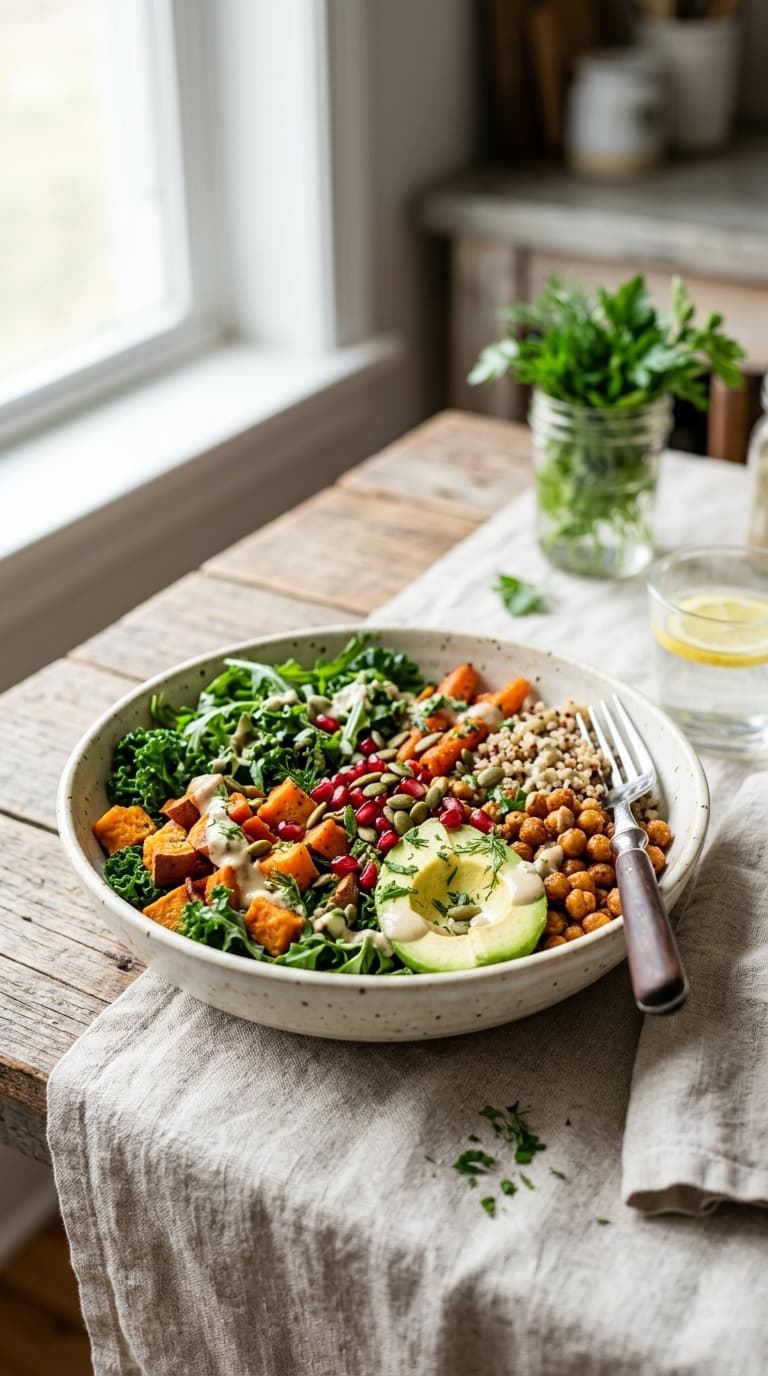
7-Day Gut-Healing Plan With High-Fiber Recipes You’ll Love
7-Day Gut-Healing Plan With High-Fiber Recipes You’ll Love
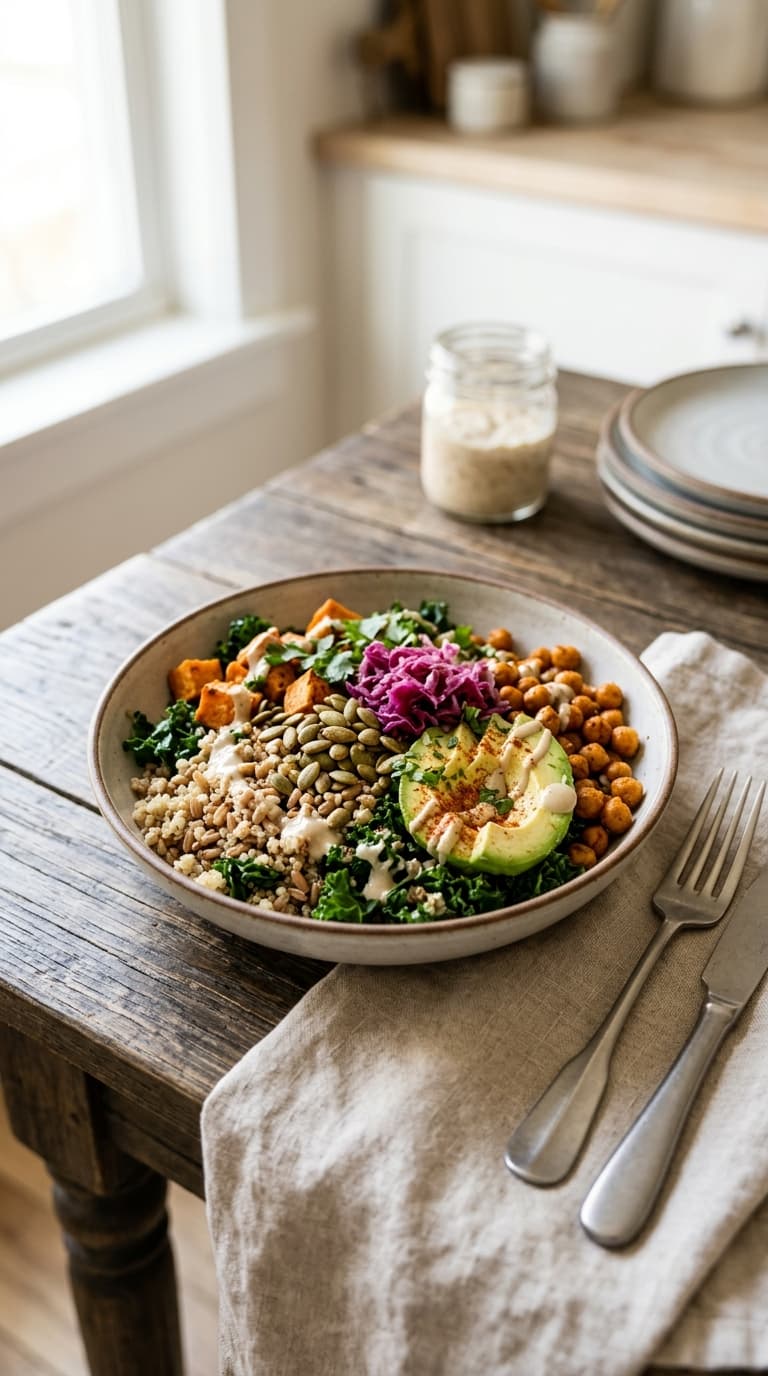
Your gut has been through a lot. Between the stress, the late-night snacking, and that questionable takeout from last Tuesday — your digestive system is basically waving a white flag. And honestly? Same. :/
I started paying attention to my gut health after months of bloating, low energy, and that uncomfortable “blah” feeling after every meal. Turns out, most of it came down to one thing: fiber. Not the chalky supplement kind. Real, whole-food fiber that your gut bacteria actually celebrate. So I put together this 7-day gut-healing plan with high-fiber recipes that taste genuinely good — not like cardboard with ambition.
Why Your Gut Health Matters More Than You Think
Let’s be real — most people don’t think about their gut until something goes wrong. But your gut does way more than just digest food. It influences your mood, immune system, skin, and energy levels. When your gut microbiome is out of balance, everything feels off.
Fiber is the MVP here. It feeds the good bacteria in your gut, keeps things moving (you know what I mean), and helps reduce inflammation. The average adult needs about 25–38 grams of fiber per day — and most of us barely hit half that. Yikes.
The good news? You don’t need a complicated protocol or expensive supplements. You just need the right foods, a bit of planning, and a week of commitment.
What to Expect During the 7 Days
Here’s a heads-up before you start: days 1–2 might feel a little rough. If you’re not used to eating a lot of fiber, your gut bacteria need time to adjust. Some bloating is totally normal and actually means things are working.
By day 3 or 4, most people start feeling noticeably better — lighter, more energized, less foggy. By day 7, the difference is real. Better digestion, clearer skin, steadier energy. That’s not hype — that’s just what happens when you actually feed your gut properly.
A few things to keep in mind:
- Drink plenty of water — fiber needs water to do its job
- Add fiber gradually if you’re coming from a very low-fiber diet
- Don’t skip meals — consistency matters for gut bacteria
- Move your body a little each day, even just a short walk
Day 1 — Reset and Rebuild
Breakfast: Berry Oat Smoothie Bowl
Start simple and nourishing. Blend frozen mixed berries, half a banana, oats, and plain Greek yogurt together until thick. Top with chia seeds, sliced kiwi, and a drizzle of honey.
This bowl delivers around 10–12 grams of fiber right at breakfast. Oats contain beta-glucan, a soluble fiber that feeds beneficial gut bacteria. Berries add polyphenols that help reduce gut inflammation. It’s genuinely delicious and takes about 5 minutes. Win.
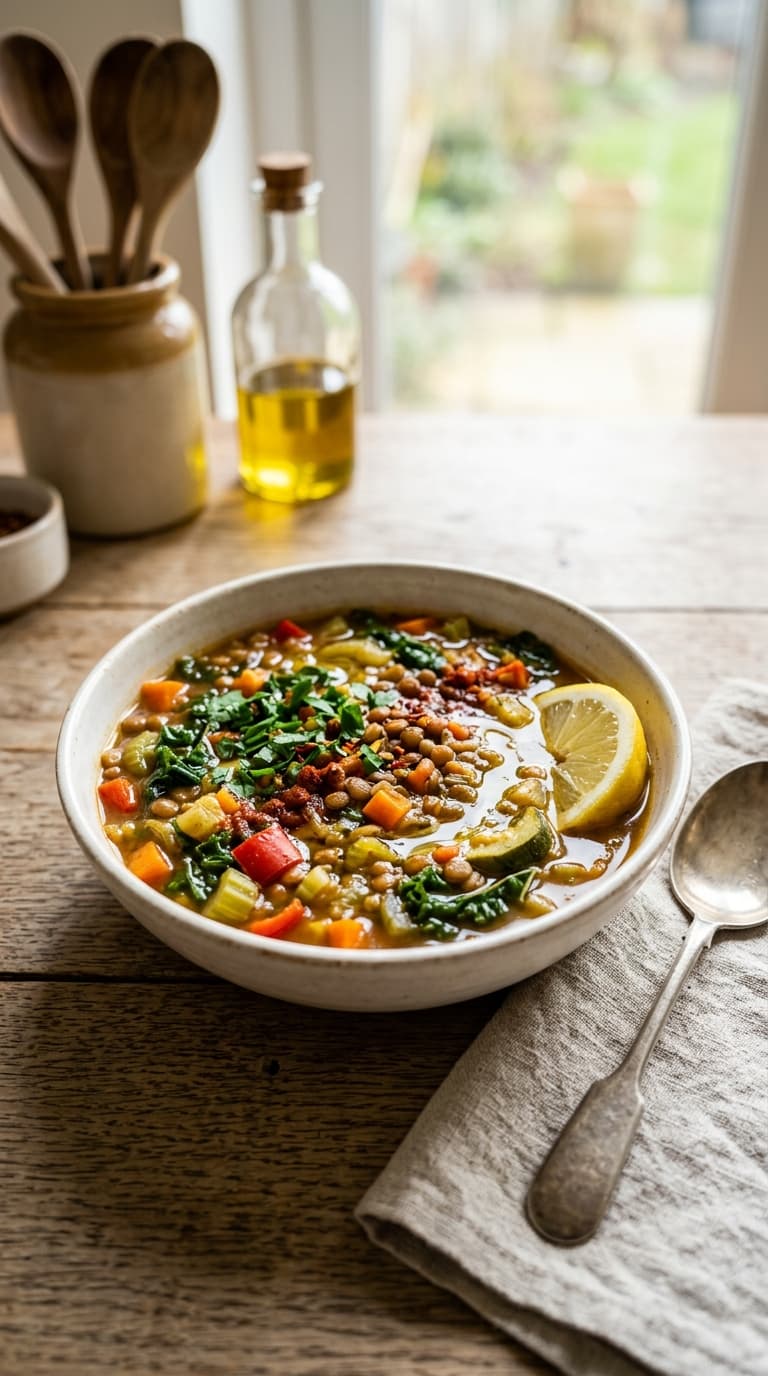
Lunch: Lentil and Veggie Soup
Lentils are arguably the most underrated gut-healing food on the planet. A single cup gives you 15+ grams of fiber along with plant-based protein. Simmer green lentils with diced tomatoes, carrots, celery, garlic, cumin, and vegetable broth for 25 minutes. Season generously and squeeze lemon over the top before serving.
If you love a good warming bowl, check out these low-calorie soups that keep you full for hours — several overlap beautifully with gut-friendly eating.
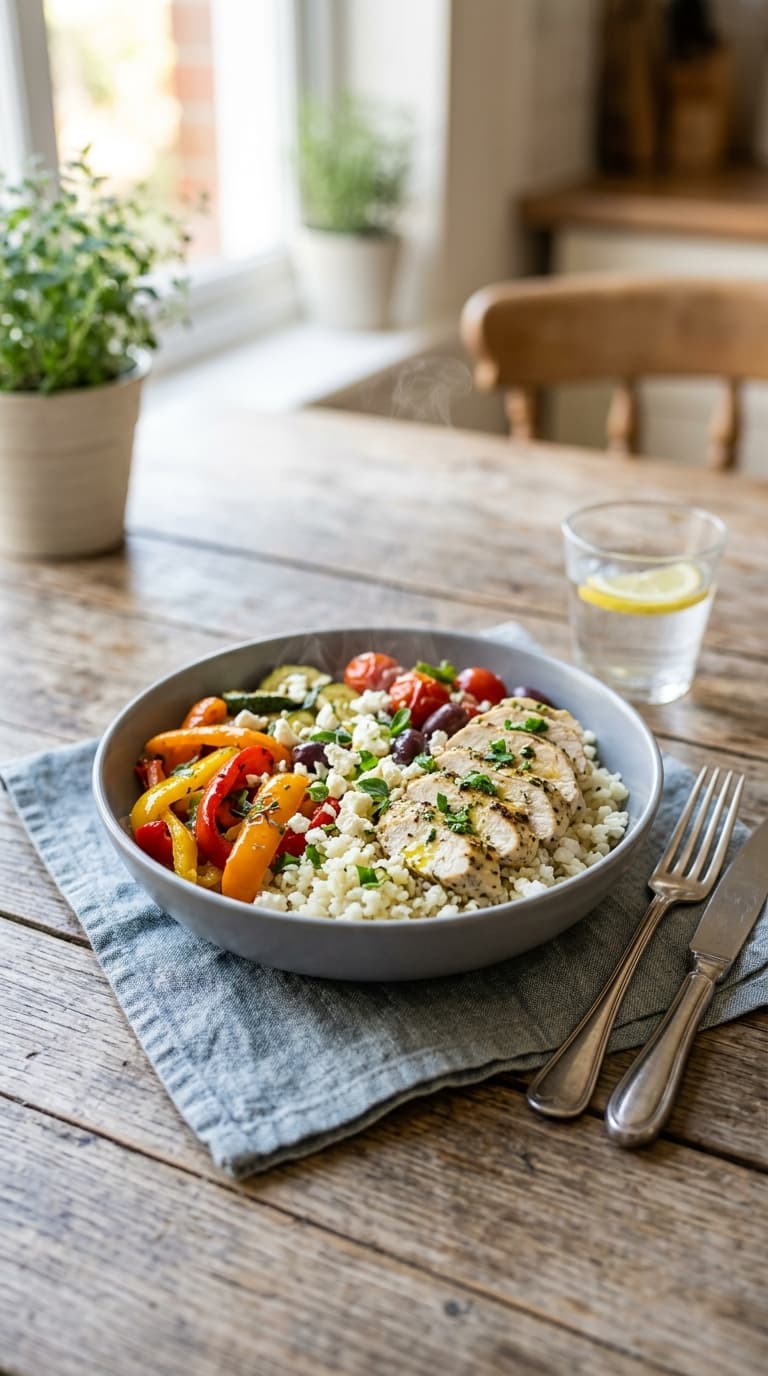
Dinner: Roasted Veggie and Quinoa Bowl
Toss chickpeas, zucchini, red bell pepper, and red onion in olive oil and roast at 400°F for 25 minutes. Serve over cooked quinoa with a tahini-lemon drizzle. Quinoa is a complete protein and adds around 5 grams of fiber per cup. Chickpeas bring another 12 grams per cup. Your gut bacteria are already throwing a little party.
Day 2 — Going Green
Breakfast: Avocado Toast With Poached Eggs on Whole Grain Bread
This one never gets old, IMO. Use 100% whole grain bread (not “whole grain-ish” bread — check the label), mash half an avocado with lemon juice and chili flakes, and top with a poached egg. Add sliced radishes or microgreens for extra crunch and nutrients.
Avocado delivers nearly 10 grams of fiber per fruit, plus healthy fats that help absorb fat-soluble vitamins. This breakfast keeps you full for hours — definitely one of those filling low-calorie meals that actually works.
Lunch: Spinach, Apple, and Walnut Salad
Mix baby spinach, thinly sliced green apple, walnuts, dried cranberries, and crumbled feta with a light apple cider vinegar dressing. This salad sounds simple but the flavor combination is genuinely addictive.
Spinach feeds gut bacteria with prebiotic fiber. Walnuts provide omega-3 fatty acids that reduce gut inflammation. Apples contain pectin, a soluble fiber that acts like a gut probiotic. Together? A powerhouse lunch.
Dinner: Black Bean Tacos With Mango Salsa
Black beans are gut gold — one cup packs 15 grams of fiber. Season them with cumin, smoked paprika, garlic, and lime juice. Stuff into warm corn tortillas and top with a fresh mango salsa (diced mango, red onion, cilantro, jalapeño, lime). Add sliced avocado and you’ve got a dinner that genuinely slaps.
Day 3 — Fermented Foods Enter the Chat
Why Add Fermented Foods?
Fiber feeds your existing good bacteria. Fermented foods introduce new beneficial bacteria directly into your gut. Together, they create the ultimate gut-healing combo. Think of fiber as the fertilizer and fermented foods as the seeds. Your gut garden needs both. 🙂
Breakfast: Kefir Parfait With Granola and Berries
Layer plain kefir (a fermented dairy drink rich in probiotics) with high-fiber granola and mixed berries. Kefir contains significantly more probiotic strains than regular yogurt. If you’re dairy-free, use coconut kefir — it works just as well.
Lunch: Kimchi and Brown Rice Bowl
Cook brown rice and top it with kimchi, sliced cucumber, shredded carrots, edamame, and a soft-boiled egg. Drizzle with a little sesame oil and low-sodium soy sauce. Brown rice adds 3.5 grams of fiber per cup. Kimchi adds live cultures. Edamame throws in another 8 grams of fiber. This bowl is so good you’ll want it every week.
Dinner: Tempeh Stir-Fry With Broccoli and Snap Peas
Tempeh is fermented soy — packed with probiotics, protein, and a satisfying chewy texture that makes it a great meat alternative. Stir-fry it with broccoli, snap peas, garlic, and ginger in a tamari-sesame sauce. Serve over soba noodles or brown rice.
Broccoli contains a specific compound called sulforaphane that helps protect your gut lining. If you enjoy easy weeknight cooking like this, you’ll love browsing these low-calorie stir-fry recipes for more inspiration.
Day 4 — Fiber From Every Angle
By now, you might be noticing your digestion feels a little smoother. That’s not your imagination — that’s the fiber doing its job. Keep going.
Breakfast: Chia Seed Pudding With Sliced Banana
Mix 3 tablespoons of chia seeds with 1 cup of unsweetened almond milk and a dash of vanilla. Refrigerate overnight. Top with sliced banana and a sprinkle of cinnamon in the morning. Chia seeds deliver a ridiculous 10 grams of fiber per ounce. They also absorb 10x their weight in water, which helps move things through your digestive tract smoothly.
Lunch: Chickpea and Roasted Red Pepper Wrap
Mash chickpeas with roasted red peppers, garlic, lemon, and herbs. Spread into a whole wheat wrap with arugula and sliced cucumber. Roll, slice, eat. Simple, fiber-rich, and genuinely satisfying — especially if you’re packing lunch for work. For more ideas like this, these easy low-calorie lunch ideas for work are worth bookmarking.
Dinner: Sweet Potato and Black-Eyed Pea Curry
Sweet potatoes offer 4 grams of fiber per medium potato plus beta-carotene, which supports gut lining integrity. Combine with black-eyed peas in a coconut milk curry with turmeric, ginger, garlic, and tomatoes. Serve with cauliflower rice or whole grain naan. Turmeric is a well-researched anti-inflammatory spice that supports gut health — definitely not just a trendy latte ingredient.
Day 5 — Keeping It Interesting
Breakfast: Overnight Oats With Flaxseed
Combine rolled oats, flaxseed, almond milk, and a tablespoon of almond butter. Refrigerate overnight. Add sliced strawberries and a drizzle of maple syrup in the morning. Flaxseed adds 2.8 grams of fiber per tablespoon plus lignans that support a healthy gut microbiome. This is easily one of the best make-ahead breakfasts you can keep in your rotation.
Lunch: White Bean and Kale Soup
Sauté onion, garlic, and rosemary in olive oil. Add white beans, chopped kale, and vegetable broth. Simmer for 15 minutes. Finish with a squeeze of lemon. White beans pack an impressive 11 grams of fiber per cup. Kale adds prebiotic fiber and antioxidants. This soup is humble but genuinely healing.
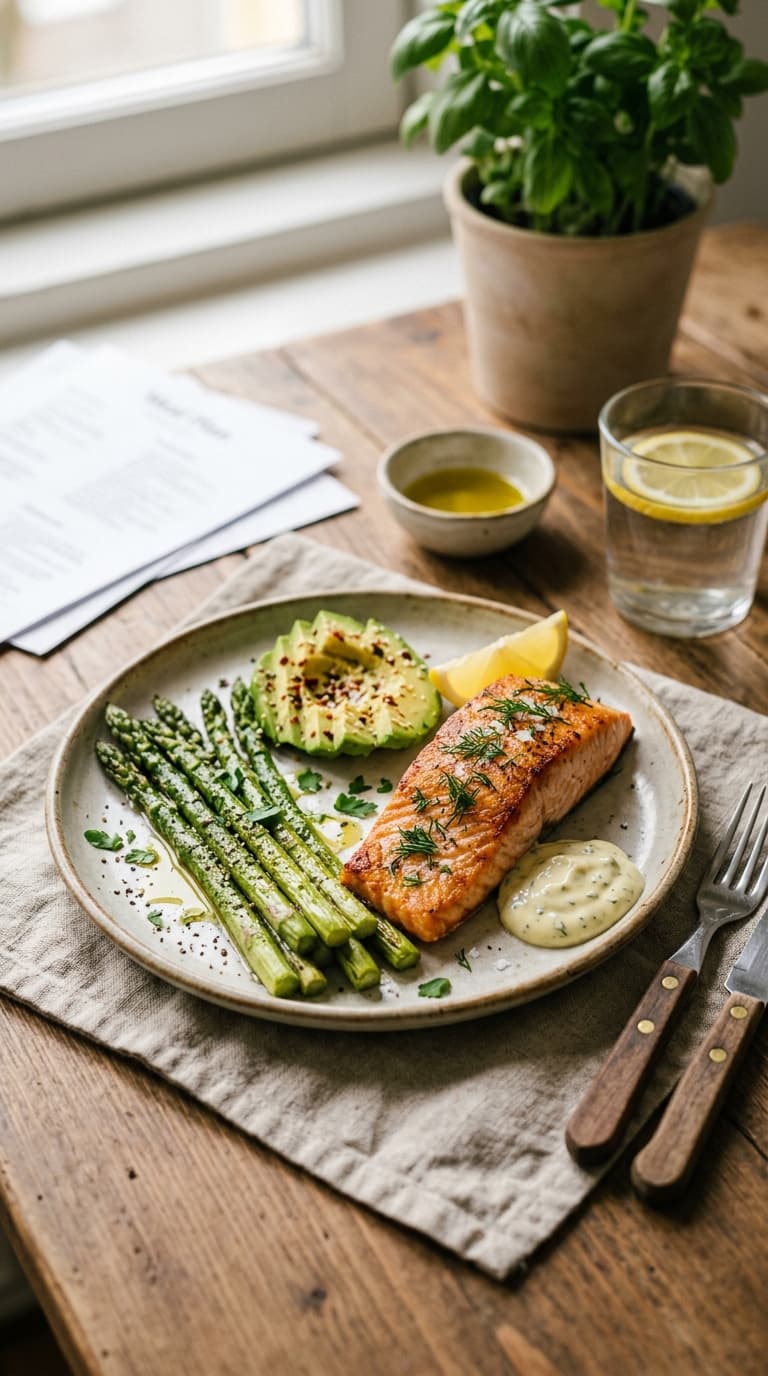
Dinner: Salmon With Asparagus and Lentil Salad
Wild salmon supports gut health through omega-3 fatty acids that reduce intestinal inflammation. Pair it with roasted asparagus (a natural prebiotic) and a warm lentil salad dressed with Dijon mustard and red wine vinegar. This dinner feels fancy enough for a weeknight win.
Day 6 — Plant-Powered Push
Breakfast: Green Smoothie With Spinach, Mango, and Hemp Seeds
Blend 1 cup spinach, 1 cup frozen mango, half a banana, hemp seeds, and coconut water. Drink it immediately. Hemp seeds add fiber and complete protein. Mango gives you a prebiotic boost. Spinach adds folate. Your gut and your skin will both thank you. FYI, this one also works beautifully as a post-workout drink.
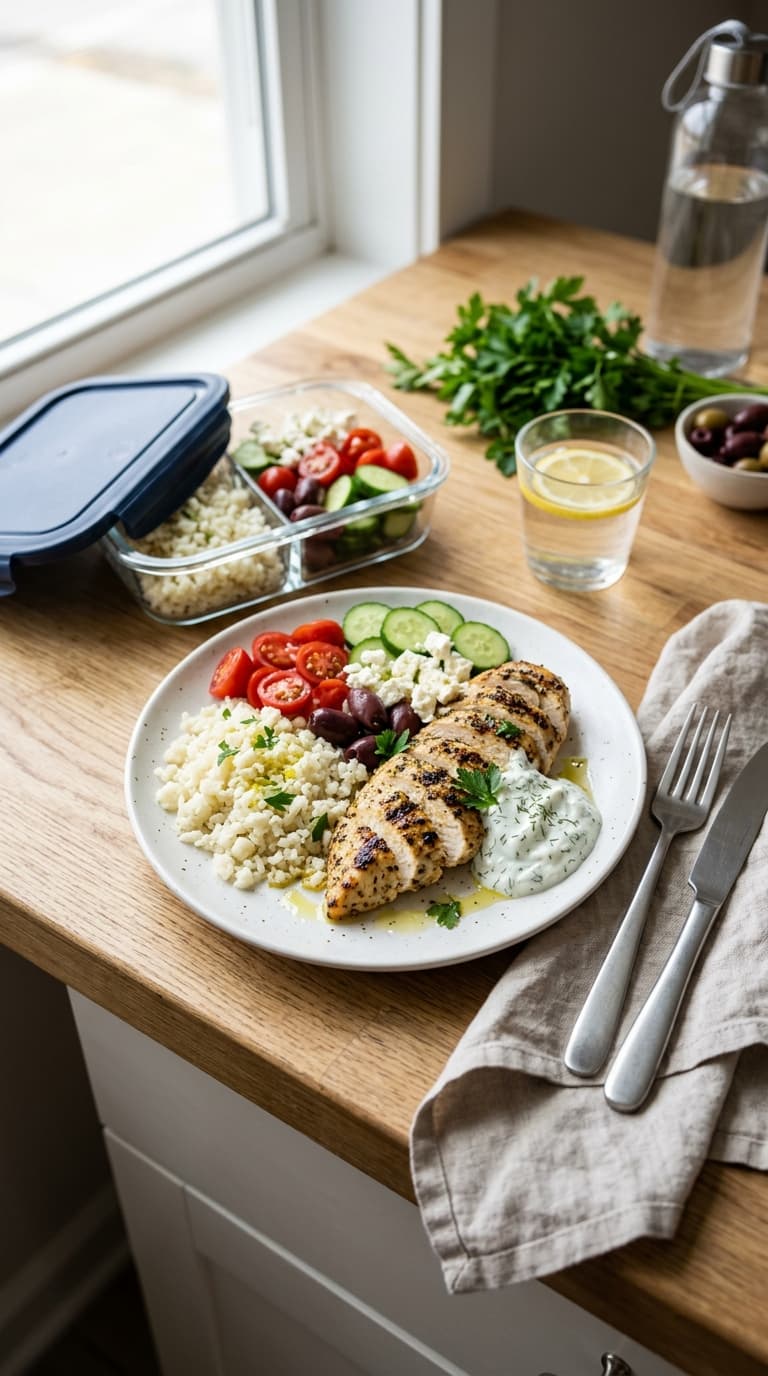
Lunch: Mediterranean Quinoa Salad
Combine cooked quinoa, cucumber, cherry tomatoes, kalamata olives, red onion, and chickpeas with olive oil, lemon, and oregano. This salad is high fiber, high protein, and works brilliantly for meal prep. If you’re into Mediterranean-style eating, these low-calorie Mediterranean recipes are genuinely worth exploring.
Dinner: Stuffed Bell Peppers With Brown Rice and Turkey
Halve and roast bell peppers. Fill with a mixture of cooked brown rice, lean ground turkey, diced tomatoes, black beans, cumin, and chili powder. Top with a little cheese and bake until bubbly. Each pepper delivers a full, balanced meal with 8–10 grams of fiber depending on your fillings.
Day 7 — The Final Stretch
Breakfast: Whole Grain Pancakes With Blueberry Compote
You made it to day 7 — you deserve pancakes. Use a whole wheat flour base mixed with oat flour, egg, almond milk, and baking powder. Cook on a lightly oiled skillet. Top with a quick blueberry compote (just frozen blueberries, a splash of water, and honey simmered until thick).
Whole wheat flour adds 3 grams of fiber per quarter cup. Blueberries add polyphenols that literally increase the diversity of your gut bacteria. Honestly, this is breakfast winning at life.
Lunch: Lentil and Roasted Beet Salad
Roast beets until tender, slice, and toss with cooked green lentils, arugula, crumbled goat cheese, and toasted walnuts. Dress with balsamic and olive oil. Beets contain betaine, which supports liver function and indirectly benefits gut health. Plus the color alone is kind of stunning.
Dinner: Celebrate With a High-Fiber Veggie Platter and Hummus
End the week with something social and celebratory. Make a big platter of raw and roasted veggies — carrots, celery, broccoli, cauliflower, snap peas, radishes — with a generous bowl of homemade hummus (chickpeas, tahini, garlic, lemon, olive oil blended until smooth). This kind of spread is perfect for sharing, and the fiber content is through the roof.
High-Fiber Snacks to Keep You Going All Week
Between meals, your gut needs some love too. Here are some easy snacks that pack a fiber punch:
- Apple slices with almond butter — around 5 grams of fiber
- Roasted chickpeas — crunchy, satisfying, and about 6 grams per half cup
- Edamame with sea salt — 8 grams of fiber per cup
- Pear with a handful of walnuts — 5 grams plus healthy fats
- Hummus with veggie sticks — easy and endlessly satisfying
If you need more snack ideas that won’t derail your progress, these low-calorie high-protein snacks are a great starting point.
Tips to Make This Plan Work Long-Term
Seven days is a reset — not a finish line. Here’s how you actually keep the momentum going:
- Meal prep on Sundays so you’re never scrambling mid-week
- Keep high-fiber staples stocked: lentils, canned beans, oats, frozen berries, chia seeds
- Rotate your plant foods — aim for 30 different plants per week for maximum gut diversity
- Limit ultra-processed foods which actively harm gut bacteria
- Be patient — sustainable gut healing takes weeks, not days
For budget-friendly ways to keep your kitchen stocked with the right ingredients, this list of low-calorie grocery items worth buying regularly is genuinely practical.
Wrapping It Up
Here’s the honest truth: gut healing isn’t glamorous, and it doesn’t happen overnight. But after 7 days of consistently eating high-fiber, whole-food meals, most people feel a noticeable difference in their digestion, energy, and even their mood. That’s not nothing — that’s actually kind of everything.
This plan gives you the framework. The recipes are flexible — swap ingredients, adjust portions, make it yours. The goal is to build habits that stick long past day 7.
So are you ready to give your gut the reset it’s been begging for? Start with day 1, take it one meal at a time, and trust the process. Your gut has been loyal to you through every questionable food choice — it’s time to return the favor.