21-Day Gut Healing Challenge Meal Plan That Are Easy
21-Day Gut Healing Challenge Meal Plan That Are Easy
Your gut has been through a lot. Late nights, stress eating, that suspicious street food you “definitely didn’t regret” — your digestive system has silently suffered while you carried on with life. So here’s the thing: a 21-day gut healing challenge meal plan might be exactly what your body has been begging for. And no, it doesn’t have to be complicated or taste like cardboard. Promise.
I started my own gut healing journey after years of bloating, sluggish energy, and general digestive chaos. What I discovered changed how I eat, feel, and function — and the best part? The meals were actually good. So let’s talk about how you can do this too, without losing your mind or your love of food.
Why Your Gut Deserves a 21-Day Reset
Your gut does more than digest food. It influences your mood, immune system, skin, and even your sleep. When it’s out of balance, everything feels off — brain fog, low energy, unpredictable digestion, and cravings you can’t explain.
The gut microbiome — the trillions of bacteria living in your digestive tract — thrives on certain foods and suffers with others. Processed food, sugar, alcohol, and stress all disrupt that balance. A 21-day reset gives your gut enough time to start repairing the gut lining, rebuilding beneficial bacteria, and reducing inflammation.
Why 21 days specifically? Research suggests it takes around three weeks to begin shifting the microbial composition in your gut meaningfully. It’s also just long enough to build real habits without feeling like a life sentence. 🙂
What to Eat (and What to Ditch)
Before we get into the actual meal plan, let’s cover the ground rules. This isn’t about restriction for its own sake — it’s about choosing foods that heal.
Foods That Support Gut Healing
- Fermented foods — yogurt, kefir, kimchi, sauerkraut, miso, tempeh
- High-fiber vegetables — broccoli, sweet potatoes, carrots, beets, leafy greens
- Prebiotic-rich foods — garlic, onions, leeks, bananas, asparagus
- Bone broth — rich in collagen and gut-supportive amino acids
- Healthy fats — avocado, olive oil, fatty fish like salmon
- Anti-inflammatory spices — turmeric, ginger, cinnamon
Foods to Minimize or Avoid
- Refined sugar and artificial sweeteners
- Ultra-processed snacks and fast food
- Alcohol (yes, even “just the weekends”)
- Gluten and dairy — at least for the first week, to reduce inflammation
- Fried foods and excess seed oils
The goal isn’t perfection. It’s giving your gut a real break so it can start doing its job again.
Week 1: The Reset Phase (Days 1–7)
Week one is the hardest. Let’s be real about that. Your body might throw a mini tantrum as it adjusts — some people experience mild bloating or fatigue in the first few days. That’s normal. Push through.
The focus this week is removing gut irritants and flooding your system with easy-to-digest, nourishing foods.
Sample Week 1 Meal Ideas
Breakfast options:
- Warm lemon water first thing, followed by plain oatmeal topped with blueberries and a spoonful of chia seeds
- Scrambled eggs with sautéed spinach and a side of sliced avocado
- Plain unsweetened yogurt with banana and a drizzle of honey
If you struggle with breakfast ideas, these low-calorie breakfasts that don’t feel like diet food are a great source of inspiration for keeping things light and gut-friendly.
Lunch options:
- Lentil soup with a side of steamed vegetables
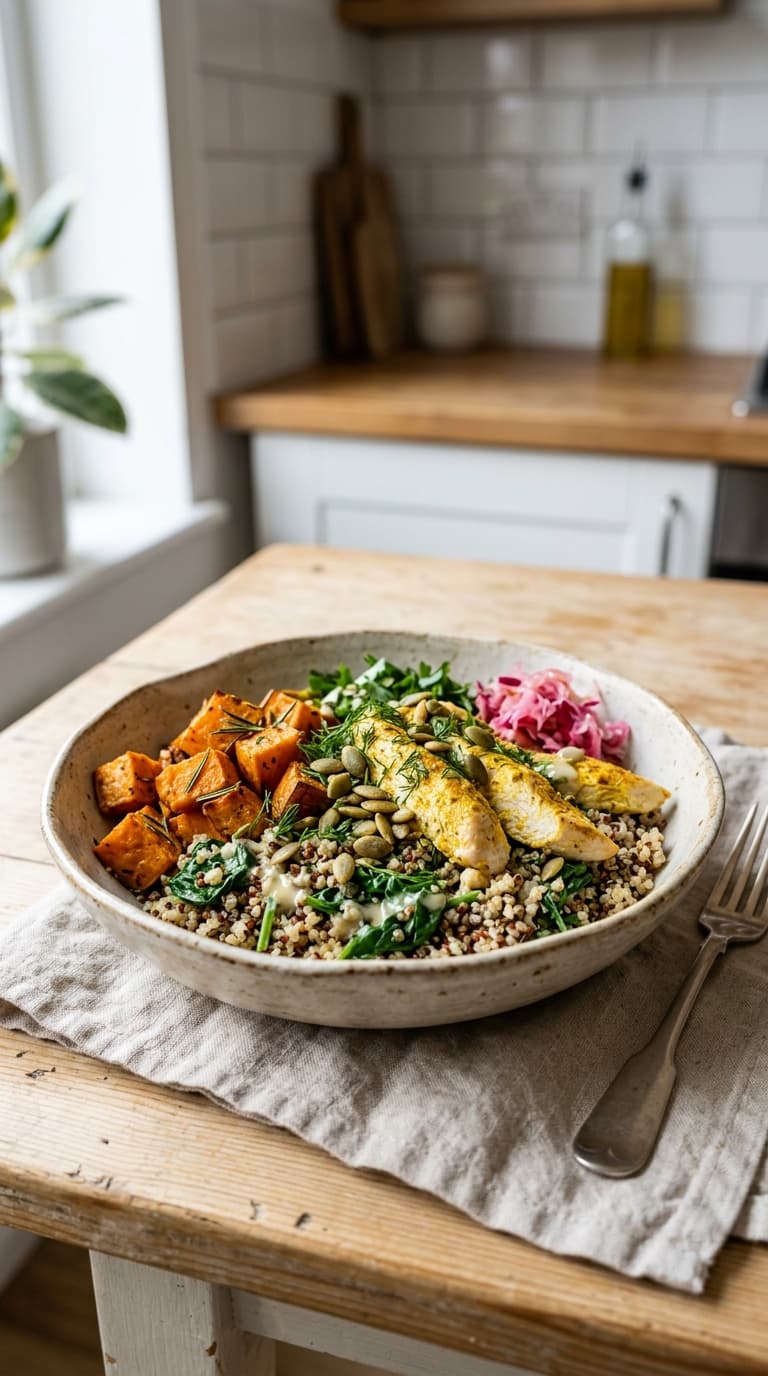
- Brown rice bowl with roasted sweet potato, avocado, and tahini dressing
- Simple bone broth with shredded chicken and ginger
Dinner options:
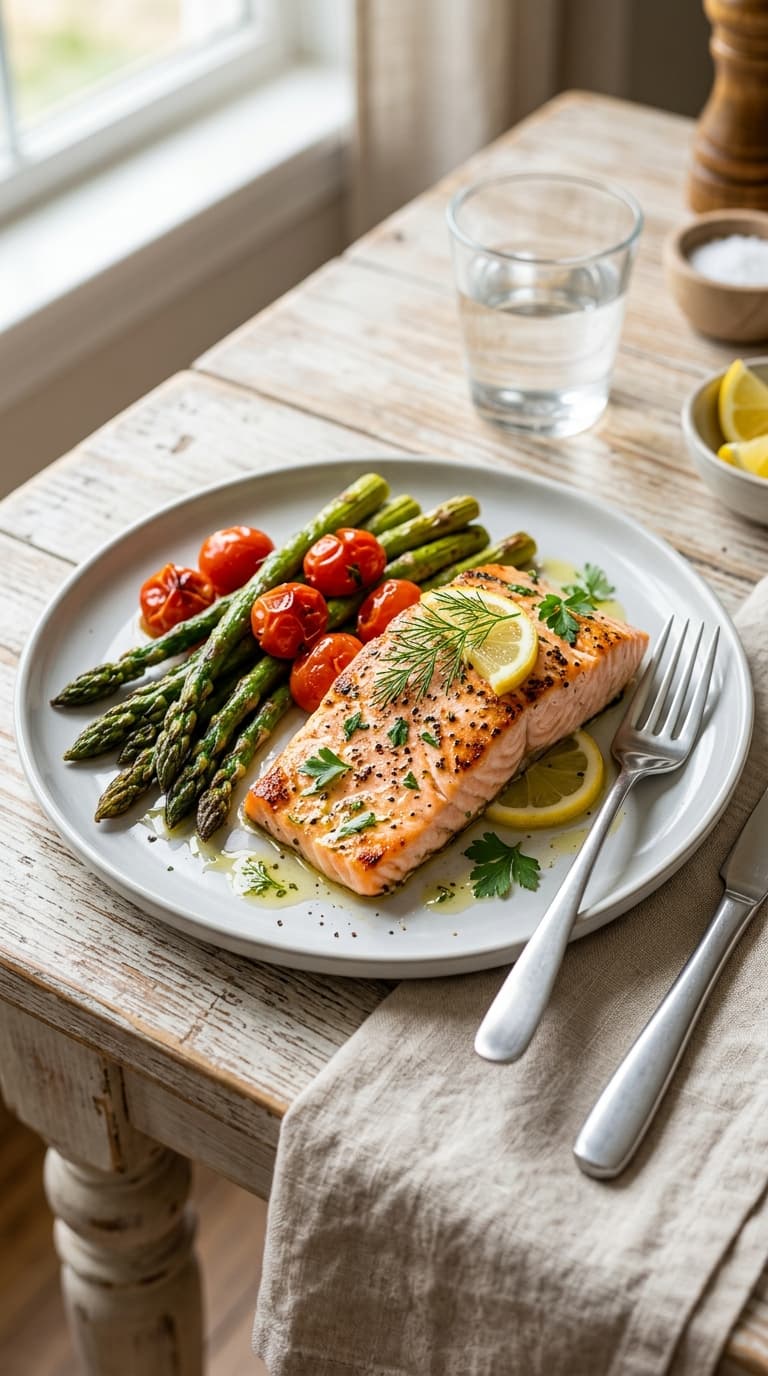
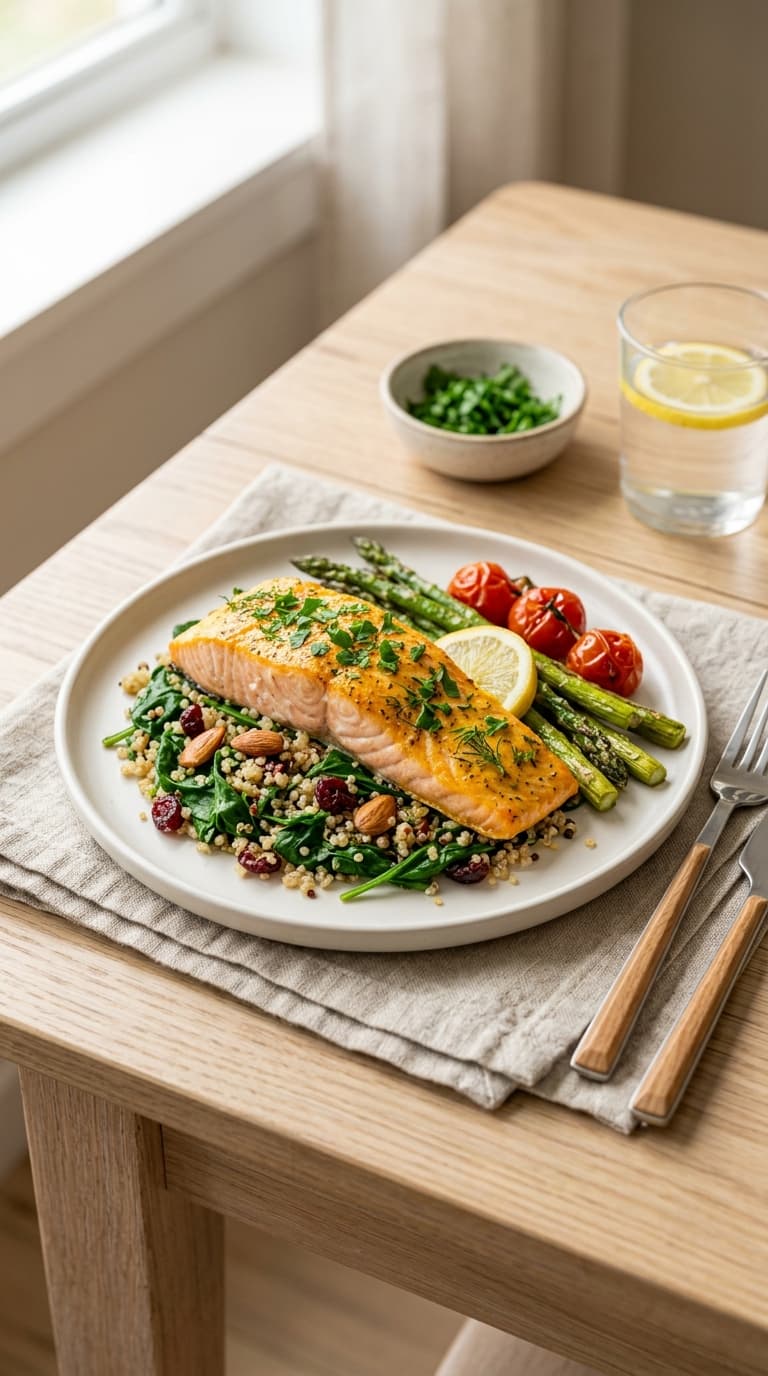
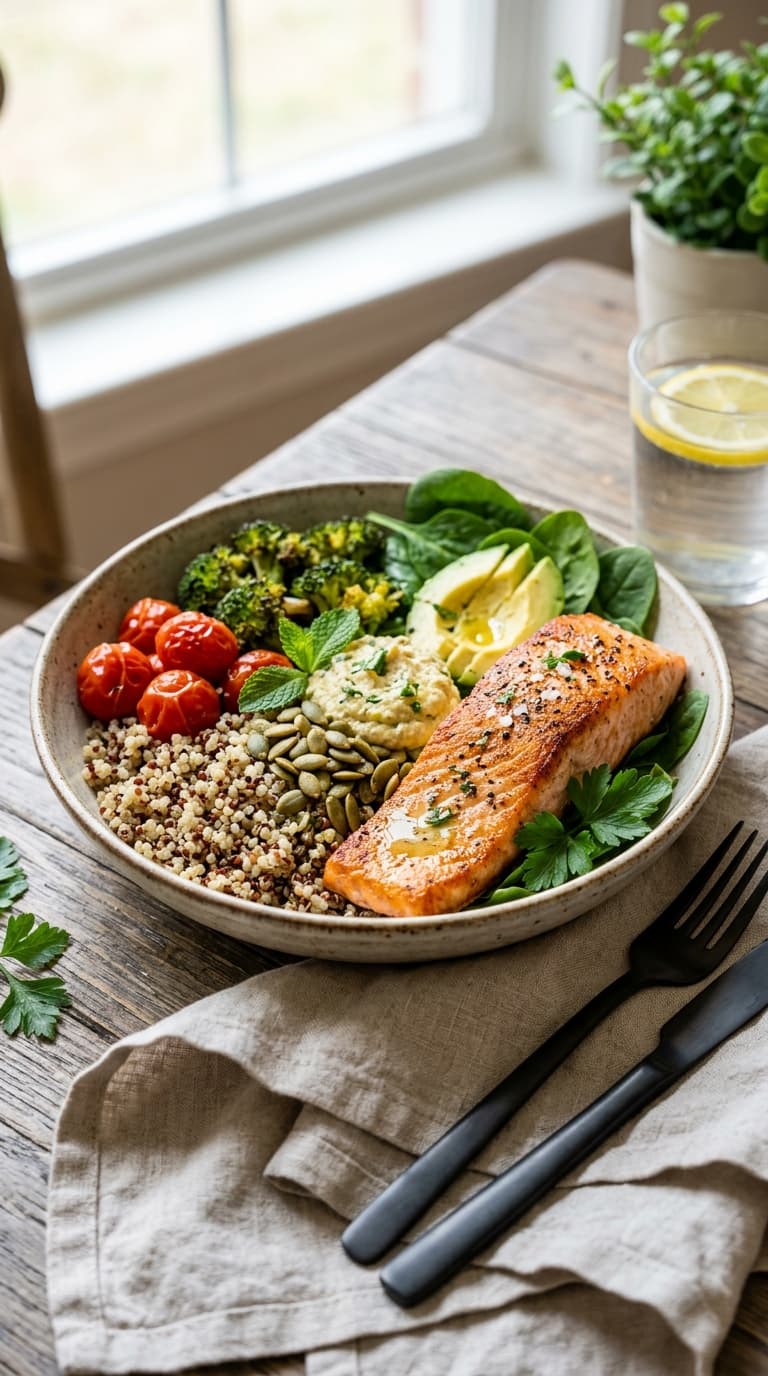
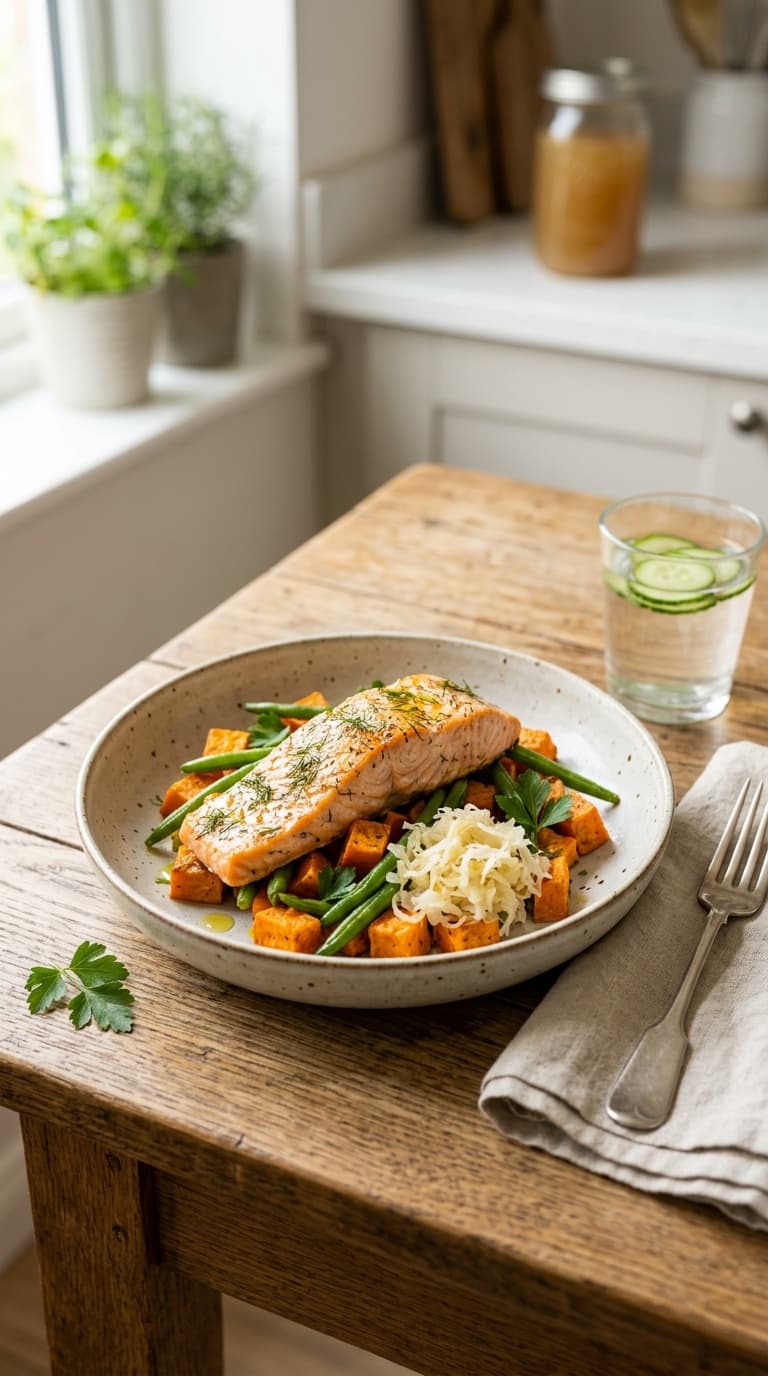
- Baked salmon with roasted broccoli and quinoa
- Zucchini noodles with olive oil, garlic, and grilled chicken
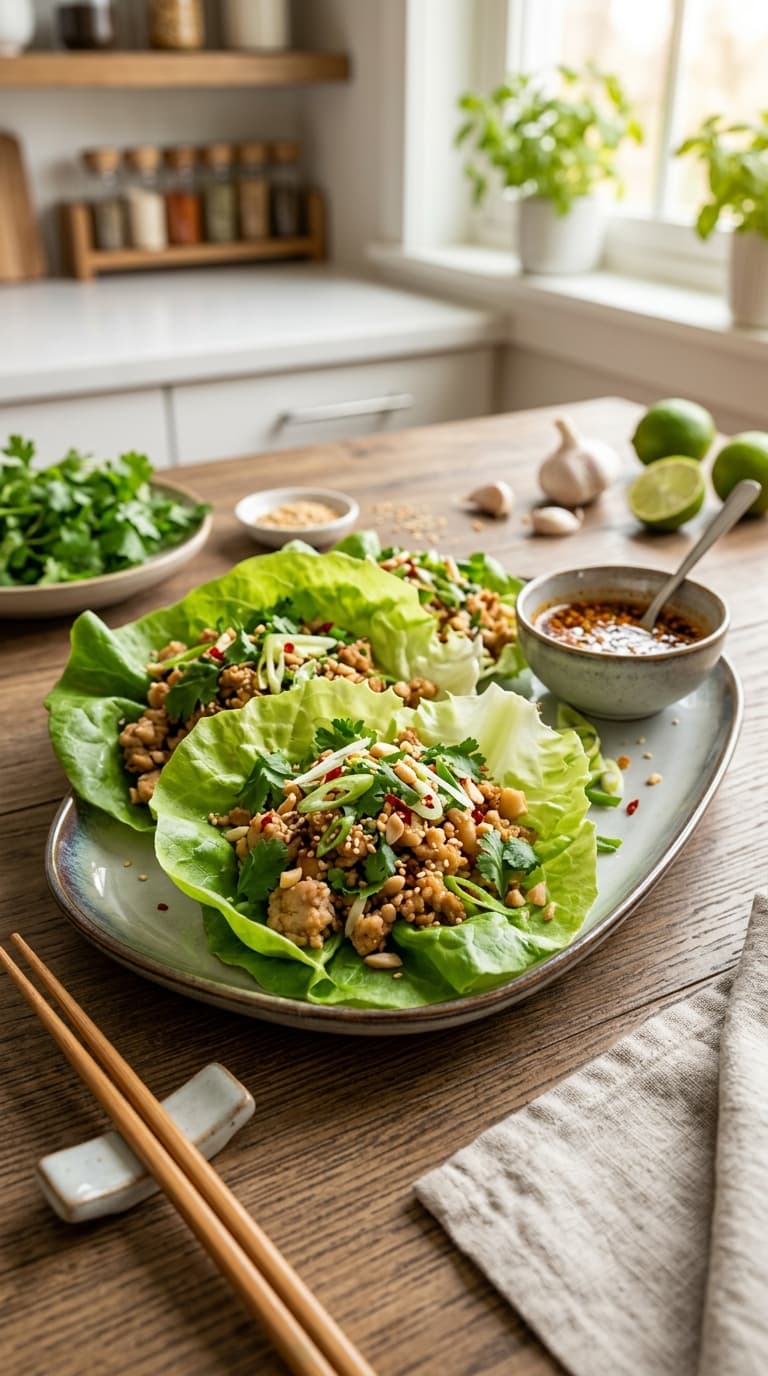
- Turkey and vegetable stir fry with minimal seasoning
Keep snacks simple this week — think sliced cucumber with hummus, a small handful of walnuts, or a piece of low-sugar fruit. Your digestive system will thank you for not overcomplicating things.
Week 2: The Rebuild Phase (Days 8–14)
You made it through week one. IMO, that’s the real win right there. By now, your gut is starting to settle, and you can begin introducing more diverse, probiotic-rich foods to actively rebuild your microbiome.
Week two is about variety. The more diverse your plant intake, the more diverse your gut bacteria — and that diversity is exactly what you’re going for.
Adding Fermented Foods
Start incorporating fermented foods daily. A small serving of kimchi or sauerkraut alongside your meals, a cup of kefir in the morning, or a bowl of miso soup in the evening can make a noticeable difference.
Not used to fermented foods? Start small. A tablespoon of kimchi with lunch is enough to begin. Your gut needs to get acquainted with these new bacterial strains gradually.
Sample Week 2 Meal Ideas
Breakfast options:
- Kefir smoothie with frozen mango, spinach, and ginger — these low-calorie smoothies under 250 calories have amazing gut-friendly options
- Greek yogurt bowl layered with berries, flaxseed, and a sprinkle of granola
- Miso soup with soft-boiled egg and brown rice
Lunch options:
- Big leafy salad with roasted chickpeas, cucumber, fermented beetroot, and olive oil dressing
- Warm grain bowl with farro, roasted veggies, and a dollop of plain yogurt
- Lentil and sweet potato soup — easy on the gut and ridiculously filling
Dinner options:
- Baked chicken thighs with garlic roasted asparagus and a side of sauerkraut
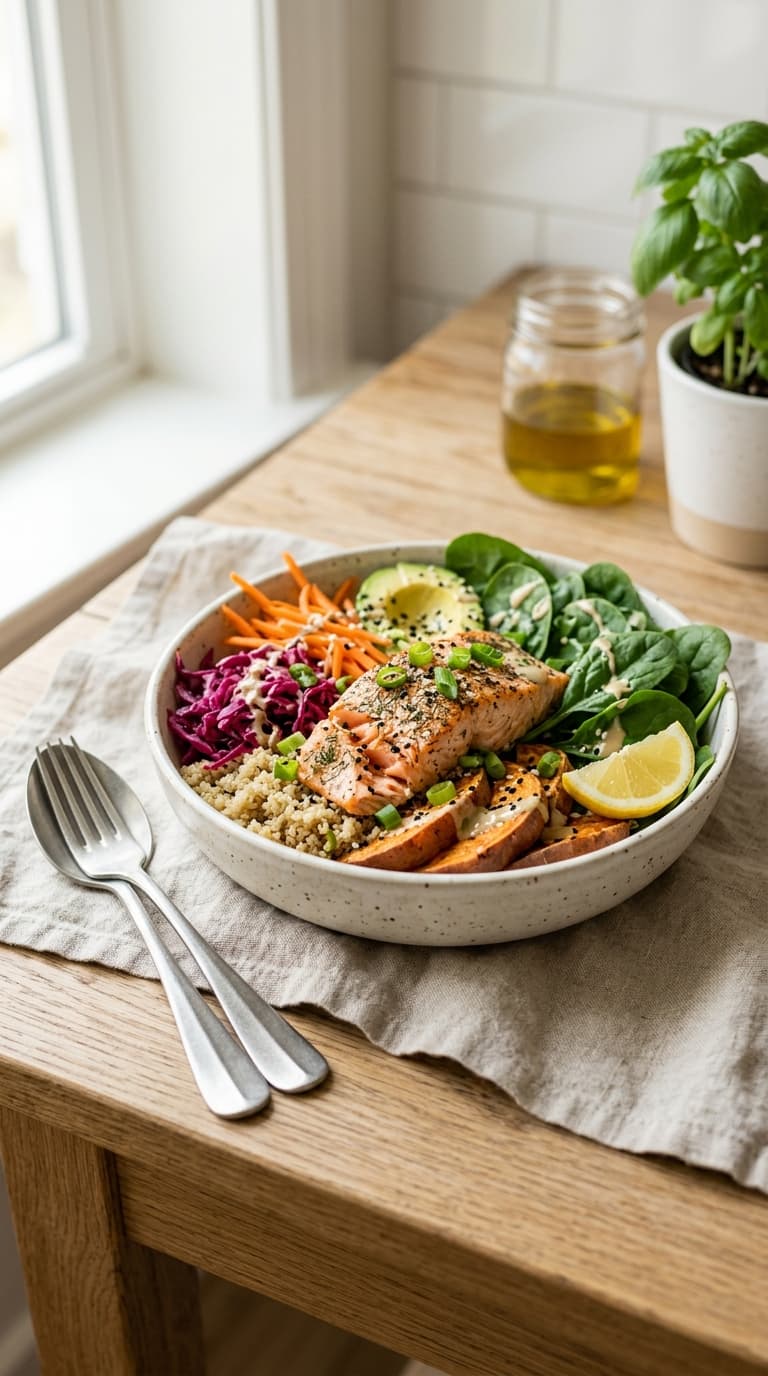
- Salmon and avocado rice bowl with miso-glazed vegetables
- Vegetable curry made with turmeric, ginger, and coconut milk served over brown rice
For dinners that stay light but still satisfy, check out these filling low-calorie meals for weight loss — many of them overlap beautifully with gut healing principles.
Week 3: The Thrive Phase (Days 15–21)
This is where things get good. By week three, most people report better energy, clearer skin, improved digestion, and that general “I actually feel good” feeling that you may have forgotten existed.
Week three focuses on building sustainable habits you can carry well beyond the 21 days. It’s no longer just a challenge — it’s becoming your normal.
Expanding Your Gut-Healing Toolkit
Start experimenting with more variety:
- Try tempeh as a plant-based protein source
- Add fermented dairy like aged cheese in small amounts if you tolerate it
- Incorporate more prebiotic vegetables like Jerusalem artichokes, leeks, and garlic-heavy dishes
- Begin drinking kombucha as a low-sugar swap for fizzy drinks
Sample Week 3 Meal Ideas
Breakfast options:
- Overnight oats with chia seeds, kefir, and sliced banana
- Smoothie bowl with probiotic-rich yogurt base and mixed seeds
- Poached eggs on sourdough (yes, genuine sourdough — it’s fermented!) with avocado
For more morning inspiration that keeps your calories in check while staying satisfying, these high-protein calorie deficit breakfasts are worth bookmarking.
Lunch options:
- Tempeh stir fry with colorful vegetables and tamari sauce
- Big gut-healing grain bowl with kimchi, avocado, soft egg, and mixed greens
- Roasted vegetable and farro salad with lemon-tahini dressing
Dinner options:
- Baked cod with turmeric roasted cauliflower and wilted spinach
- Chicken and vegetable soup with bone broth base and plenty of garlic
- Black bean tacos with fermented salsa, avocado, and lime — comforting and gut-friendly
Gut-Healing Snack Ideas for All 21 Days
Snacking strategically keeps you from reaching for the wrong things between meals. Here’s what works:
- Kefir or plain yogurt with a small handful of berries
- Apple slices with almond butter — fiber meets healthy fat
- Roasted chickpeas — crunchy, satisfying, and prebiotic-rich
- Bone broth — genuinely underrated as a snack, especially in the evenings
- Handful of walnuts with a few dried figs
- Homemade energy balls made with oats, flaxseed, and dates
If you want to keep snacks low-calorie without sacrificing satisfaction, these low-calorie high-protein snacks for energy fit right into a gut healing approach.
Hydration: The Overlooked Gut Healer
Here’s something people consistently underestimate: what you drink matters just as much as what you eat during a gut reset.
Water keeps things moving and supports the mucosal lining of your intestines. Aim for at least 8 glasses daily. But you can do even better:
- Warm lemon water in the morning stimulates digestion
- Ginger tea reduces inflammation and soothes the gut lining
- Peppermint tea helps with bloating and cramping
- Kombucha (low-sugar varieties) adds beneficial probiotics
- Bone broth provides gut-supportive gelatin and minerals
FYI — sugary drinks, even “healthy” juices, can feed harmful gut bacteria and spike blood sugar in ways that disrupt healing. Swap them out. For smarter drink choices, these low-calorie drinks that support weight loss include plenty of gut-friendly options too.
Meal Prep Tips to Make the 21 Days Manageable
Real talk: you won’t stick to this challenge if every meal requires an hour of cooking. Meal prep is your secret weapon. :/
Spend 1–2 hours on Sunday doing the following:
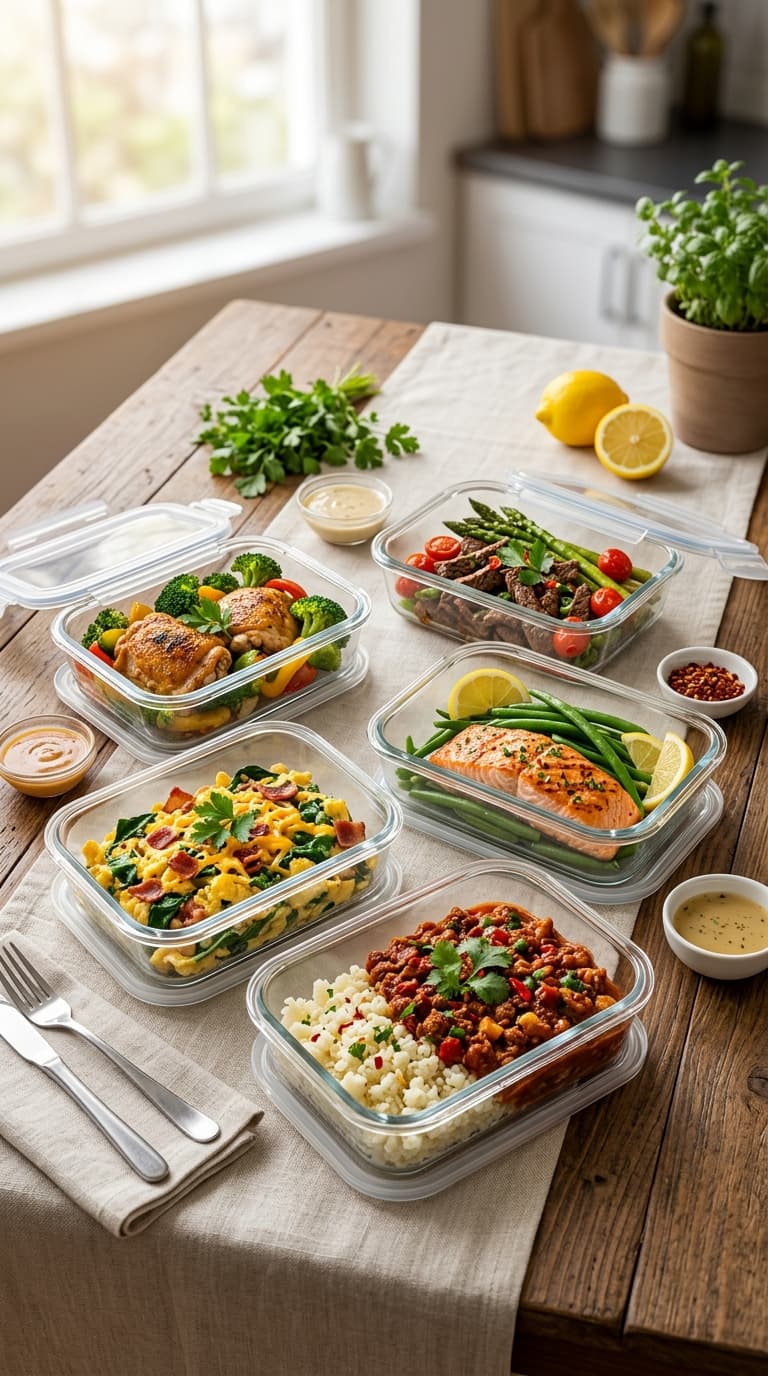
- Cook a big batch of grains — brown rice, quinoa, or farro
- Roast two sheet pans of mixed vegetables
- Prepare a large pot of soup or bone broth
- Hard-boil 6–8 eggs
- Make overnight oats for 2–3 mornings
These easy low-calorie meal prep ideas for busy weekdays can help you streamline your prep routine so it never feels overwhelming.
The goal is to have building blocks ready — not perfectly plated meals. A grain + a protein + a vegetable + a fermented food = a gut-healing bowl in minutes.
Supplements Worth Considering
Food first, always. But a few supplements can support your gut healing process:
- Probiotics — look for multi-strain formulas with at least 10 billion CFU
- L-glutamine — an amino acid that supports gut lining repair
- Digestive enzymes — helpful if you’re struggling with bloating after meals
- Magnesium — supports gut motility and reduces constipation
- Zinc carnosine — specifically studied for gut lining integrity
Always check with a healthcare provider before starting supplements, especially if you have existing health conditions or take medication.
What to Expect After 21 Days
Here’s what most people notice after completing the full challenge:
- Less bloating and more predictable digestion
- More energy — especially in the afternoons
- Clearer skin — the gut-skin connection is very real
- Reduced cravings for sugar and processed foods
- Better sleep quality and mood stability
- A healthier relationship with food overall
Not everyone gets dramatic results — and that’s okay. Some people need more time, or need to investigate underlying issues like SIBO or food intolerances. But almost everyone feels better after three weeks of intentional gut care.
Beyond the Challenge: Keeping Your Gut Happy Long-Term
The 21 days are a starting point, not the destination. What matters is what you do after.
The habits that stick tend to be simple ones: eating fermented foods regularly, prioritizing fiber, staying hydrated, managing stress, and sleeping enough. Your gut is resilient — it responds quickly to consistent care.
Pair your gut healing approach with high-protein low-calorie meals that actually keep you full to maintain energy and satiety as you transition into maintenance mode.
Final Thoughts
Your gut isn’t just a digestive organ — it’s essentially your second brain, your immune headquarters, and your energy engine. Spending 21 days giving it proper care is one of the most impactful things you can do for your overall health.
Start where you are. Pick a Monday. Prep what you can. Eat the fermented foods even when they smell weird. And trust the process — because by day 21, you’ll genuinely feel the difference.
Your gut has been quietly doing its best for you. Time to return the favor.